

What is a Pneumatic Conveyor for Dry Mortar Materials? What Are Its Design Principles?
For professionals in the construction and material handling industries, understanding the technology behind efficient dry mortar material transport is crucial. A pneumatic conveyor for dry mortar materials, often referred to as a dry mortar pneumatic conveyor, is a specialized system designed to move dry powder materials like cement, sand, and additives through a pipeline using air pressure. This equipment is essential for optimizing material handling in production lines, reducing labor costs, and improving overall operational efficiency.
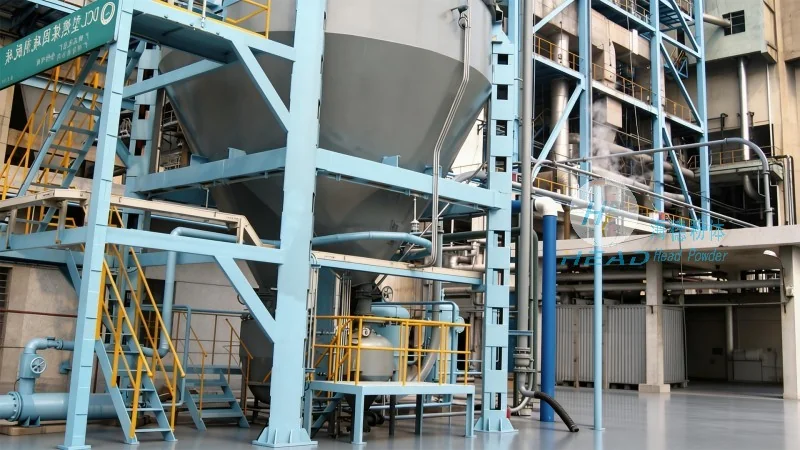
Understanding the Core Function of Dry Mortar Pneumatic Conveyors
A dry mortar pneumatic conveyor operates by creating a pressure differential between the inlet and outlet of the conveying line. The system typically uses either positive pressure (blowing air into the material to push it forward) or negative pressure (sucking air out to draw material in). The choice of pressure type depends on factors such as material properties, distance to be conveyed, and system layout. The key components of this equipment include a hopper for material storage, a feeder to control the flow rate, a conveying line (often made of stainless steel or plastic to prevent material buildup and corrosion), and a receiver to collect the material at the destination. These components work in tandem to ensure smooth and continuous material transport, minimizing downtime and maximizing productivity.
The Design Principles Behind Dry Mortar Pneumatic Conveyors
The design of a dry mortar pneumatic conveyor is governed by several critical principles that ensure optimal performance and reliability. First, the system must be designed to handle the specific characteristics of dry mortar materials, such as their particle size distribution, moisture content, and flowability. Engineers must consider how these properties affect the material's behavior during transport, including issues like caking or segregation. Second, the pressure and flow rate must be carefully calibrated to prevent material degradation or blockages. For example, excessive pressure can cause material to degrade, while insufficient pressure may lead to incomplete conveying. Third, the system's layout must be optimized for the specific application, taking into account the distance between the material source and destination, the number of turns in the pipeline, and the required conveying capacity. This involves selecting the appropriate pipe diameter, air velocity, and pressure levels to achieve the desired throughput without compromising material quality.
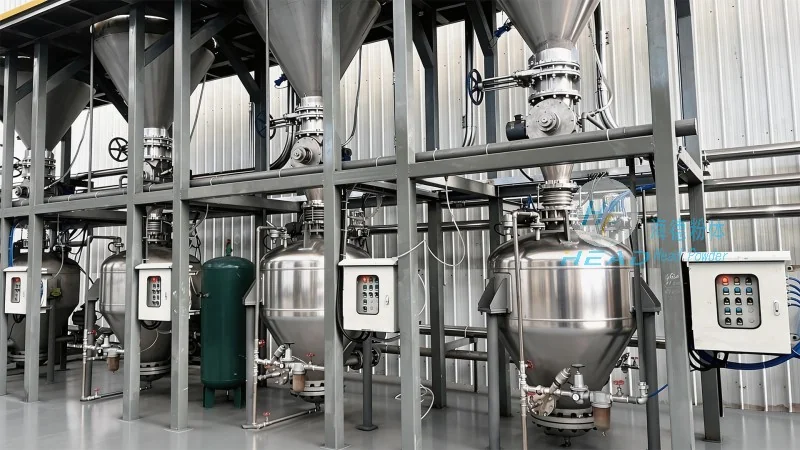
Key Components and Their Roles in Dry Mortar Pneumatic Conveying
Each component of a dry mortar pneumatic conveyor plays a vital role in the overall system's performance. The hopper, typically made of stainless steel or other corrosion-resistant materials, serves as the storage vessel for the dry mortar materials. It is designed to prevent material from caking or clumping, which could disrupt the conveying process. The feeder, often a rotary valve or a screw feeder, controls the flow rate of the material into the conveying line. This component is critical for maintaining a consistent material flow, as fluctuations can lead to uneven conveying or system inefficiencies. The conveying line, usually made of stainless steel or PVC, is the backbone of the system, transporting the material from the hopper to the receiver. The choice of pipe material is essential to prevent material buildup and corrosion, which can reduce the system's lifespan and increase maintenance costs. The receiver, located at the end of the conveying line, collects the material and is designed to minimize dust emissions and prevent material loss. It may include features like a dust collection system or a vent to control air pressure and prevent over-pressurization.
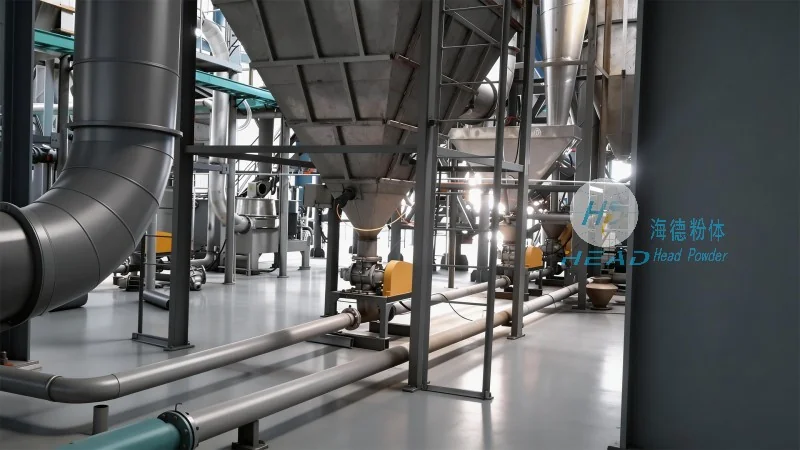
Applications and Benefits of Dry Mortar Pneumatic Conveyors
Dry mortar pneumatic conveyors are widely used in various applications within the construction and manufacturing industries. In the production of dry mortar products, such as pre-mixed mortars and plasters, these systems are used to transport raw materials from storage silos to mixing and packaging lines. This reduces the need for manual handling and improves the accuracy of material measurement. In construction sites, pneumatic conveyors are used to transport dry mortar materials from a central storage location to different work areas, eliminating the need for manual loading and unloading of trucks or containers. This not only improves safety but also increases the speed of material delivery. The benefits of using dry mortar pneumatic conveyors include increased efficiency, reduced labor costs, improved material quality, and enhanced safety. By automating the material handling process, these systems minimize human error and ensure consistent material quality, which is critical for achieving high-quality construction outcomes.
Choosing the Right Dry Mortar Pneumatic Conveyor System
When selecting a dry mortar pneumatic conveyor system, several factors must be considered to ensure it meets the specific needs of the application. First, the material characteristics must be evaluated, including particle size, moisture content, and flowability. This will determine the appropriate pressure type (positive or negative) and system design. Second, the conveying distance and layout must be assessed to determine the required pipe diameter, air velocity, and pressure levels. Third, the required throughput and system capacity must be considered to ensure the conveyor can handle the desired material volume. Fourth, the system's reliability and maintenance requirements must be evaluated to ensure it meets the operational needs of the facility. It is also important to consider the system's compatibility with existing infrastructure and the availability of spare parts and technical support. By carefully evaluating these factors, users can select a dry mortar pneumatic conveyor system that provides optimal performance, efficiency, and reliability.