

Anhydrous Sodium Sulfate Material Pneumatic Conveyor: Exploring Its Function and Design Principles
For industrial applications involving the handling of anhydrous sodium sulfate, selecting the right material handling equipment is crucial. A pneumatic conveyor system, specifically designed for this type of material, offers an efficient solution. This article delves into what an anhydrous sodium sulfate material pneumatic conveyor is and explains its underlying design principles, providing insights into how such equipment enhances operational efficiency in material processing.
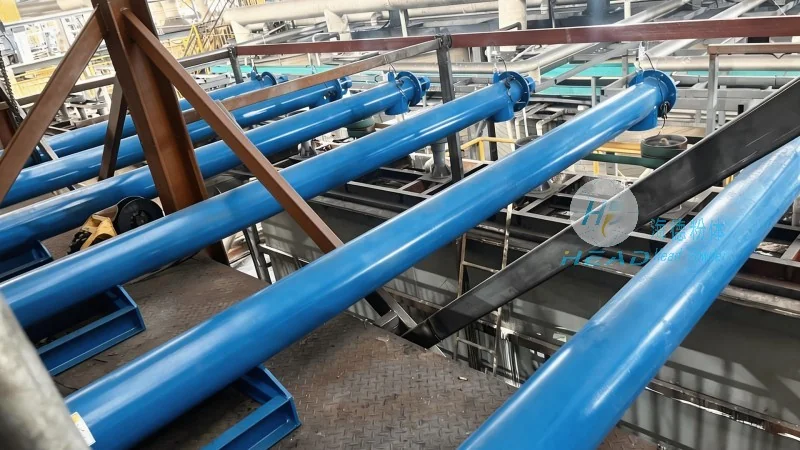
Understanding the Anhydrous Sodium Sulfate Material Pneumatic Conveyor
An anhydrous sodium sulfate material pneumatic conveyor is a specialized piece of industrial equipment used to transport bulk materials, in this case, anhydrous sodium sulfate, from one location to another within a processing facility. Unlike traditional mechanical conveyors, which rely on physical components like belts or screws, a pneumatic conveyor uses compressed air or gas to move the material through a pipeline. This method is particularly advantageous for handling materials that are dusty, fine, or require a dust-free environment, as it minimizes contamination and reduces the risk of material degradation.
The Core Components and Functionality
The operation of an anhydrous sodium sulfate material pneumatic conveyor is based on a few key components that work in tandem to ensure effective material transport. The primary components include a hopper for material storage, a blower or compressor to generate the air flow, a pipeline system to guide the material, and a receiver or discharge point where the material is deposited. The material is typically fed into the hopper and then pneumatically conveyed through the pipeline by the force of the compressed air. As the air flows, it lifts and propels the anhydrous sodium sulfate particles along the pipeline, ensuring a continuous and controlled flow.
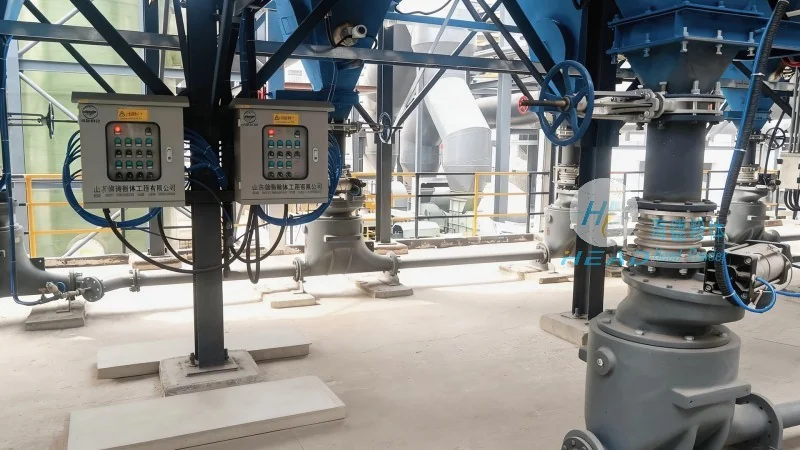
Design Principles Behind the Conveyor System
The design of an anhydrous sodium sulfate material pneumatic conveyor is guided by several critical principles aimed at optimizing performance, efficiency, and durability. One of the fundamental principles is the selection of appropriate air velocity and pressure. The air velocity must be sufficient to overcome the gravitational forces acting on the material particles and to maintain a stable flow within the pipeline. This ensures that the material does not settle or clog the system. Additionally, the pressure of the compressed air is carefully regulated to balance the need for efficient transport with energy conservation. Excessive pressure can lead to increased energy consumption and potential wear on components, while insufficient pressure may result in inadequate material movement.
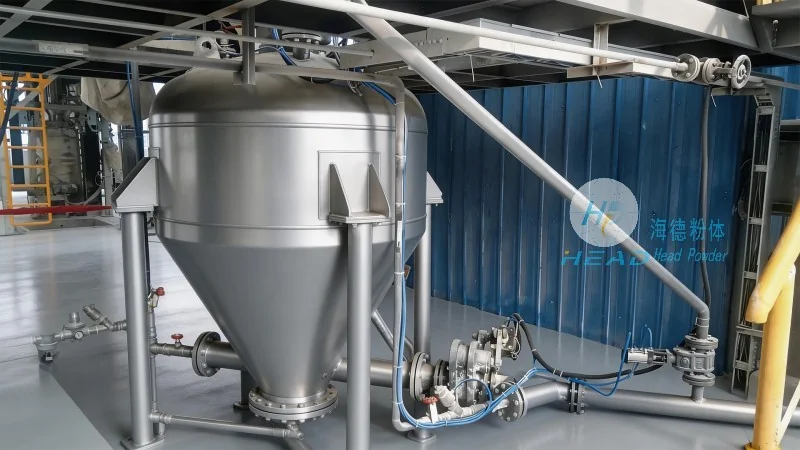
Material Considerations and System Integration
When designing a pneumatic conveyor for anhydrous sodium sulfate, material considerations are paramount. The components of the conveyor system, such as the hopper, pipeline, and blower, must be constructed from materials that are compatible with the chemical properties of anhydrous sodium sulfate. For instance, materials like stainless steel or specialized plastics are often used to prevent corrosion and ensure longevity. Furthermore, the system must be integrated seamlessly with the existing processing infrastructure of the facility. This includes coordinating with other equipment like crushers, classifiers, or storage silos to create a cohesive material handling workflow. Proper integration ensures that the conveyor operates efficiently within the broader production process, minimizing downtime and maximizing throughput.
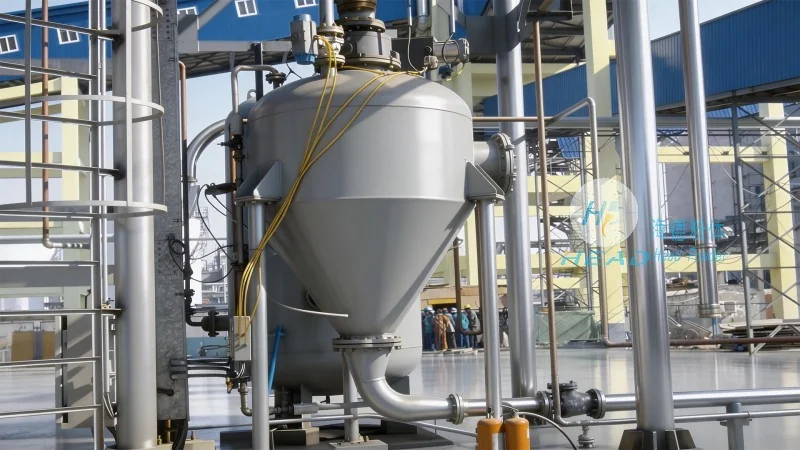
Advantages and Applications in Industrial Settings
The use of an anhydrous sodium sulfate material pneumatic conveyor offers several advantages in industrial applications. These include the ability to handle fine or dusty materials without the need for additional dust control measures, as the system inherently contains the material within the pipeline. This reduces the risk of airborne contamination and improves workplace safety. Additionally, pneumatic conveyors are flexible in terms of layout, allowing for vertical, horizontal, or inclined transport, which can be tailored to the specific spatial constraints of a facility. They also provide a clean and hygienic method of material transport, which is particularly important in industries where product purity is critical, such as pharmaceuticals or food processing. In the case of anhydrous sodium sulfate, which is commonly used in glass manufacturing, paper production, and chemical synthesis, a pneumatic conveyor can enhance the efficiency of material transfer between processing stages, contributing to overall production efficiency.
Conclusion and Company Overview
In summary, an anhydrous sodium sulfate material pneumatic conveyor is a sophisticated industrial tool designed to efficiently transport this material through a facility. Its design is rooted in principles of air flow dynamics, material compatibility, and system integration, ensuring reliable and effective operation. For businesses dealing with anhydrous sodium sulfate, investing in such a conveyor system can lead to improved operational efficiency, reduced maintenance costs, and enhanced product quality. As a leading provider in this field, Shandong HeadPowder Engineering Co., Ltd. specializes in designing and manufacturing high-quality pneumatic conveyor systems tailored to the specific needs of industrial clients. With a focus on durability, efficiency, and innovation, HeadPowder aims to deliver solutions that meet the evolving demands of material handling in various industries.