

Working Principle and Features of Active Ammonia Denitration Systems
Active ammonia denitration systems represent advanced environmental technologies engineered to mitigate nitrogen oxide (NOx) emissions from industrial operations. These systems are pivotal in adhering to stringent environmental regulations and enhancing overall air quality. This article delves into the operational principles and distinctive characteristics of such systems, offering a thorough overview for industry professionals.
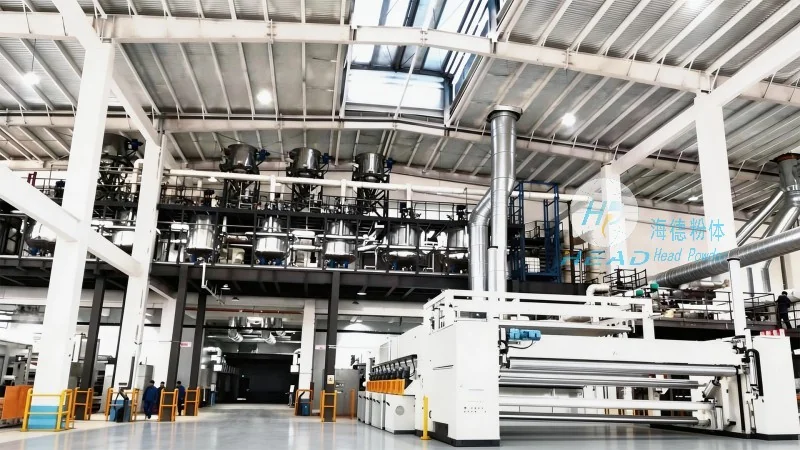
Exploring the Working Principle of Active Ammonia Denitration Systems
The fundamental operation of active ammonia denitration systems centers on the selective catalytic reduction (SCR) process, wherein ammonia serves as a reducing agent to transform NOx into harmless nitrogen gas and water. The system typically comprises several critical components: a reactor, an ammonia injection system, and a catalyst bed. The process initiates with the introduction of flue gas containing NOx into the reactor. Concurrently, an aqueous ammonia solution is sprayed into the gas stream to ensure uniform distribution. The gas then traverses a catalyst bed, where the chemical reaction occurs, facilitating the conversion of NOx to N₂ and H₂O. The efficiency of this process is heavily reliant on maintaining optimal temperature and catalyst availability, which are essential for maximizing effectiveness.
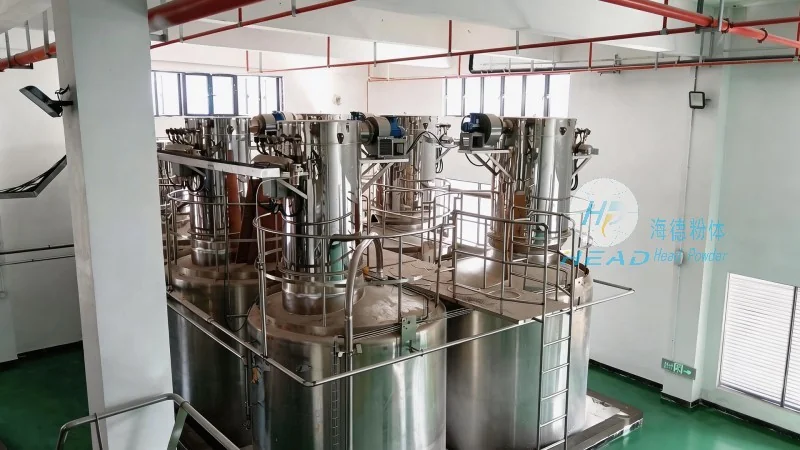
Key Features of Active Ammonia Denitration Systems
Active ammonia denitration systems are distinguished by several notable features that enhance performance and reliability. A primary feature is the high efficiency in NOx reduction, often achieving removal rates exceeding 90% under optimal conditions. This efficiency is achieved through precise control of ammonia dosage and reaction temperature, ensuring complete conversion of NOx. Another key feature is the robustness of the catalyst, which is engineered to endure high temperatures and corrosive gases, minimizing maintenance needs. The systems also integrate advanced monitoring and control technologies, enabling real-time adjustments of operating parameters to sustain optimal performance. Additionally, the modular design of these systems facilitates easy integration into existing industrial facilities, reducing installation time and costs. The utilization of aqueous ammonia as a reagent is cost-effective and environmentally benign, as it is a readily available and non-toxic substance. These features collectively make active ammonia denitration systems a preferred choice for industries aiming to comply with environmental standards while preserving operational efficiency.
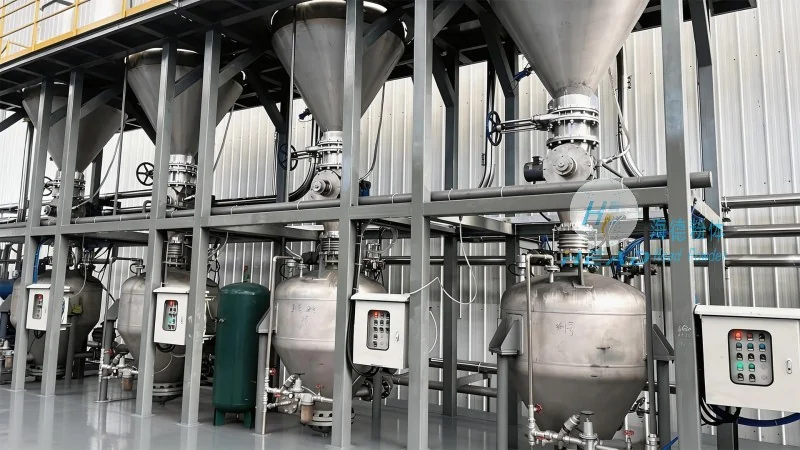
About Shandong HeadPowder Engineering Co., Ltd.
Shandong HeadPowder Engineering Co., Ltd., operating under the brand name headpowder, is a leading provider of environmental solutions specializing in denitration and related technologies. With a strong commitment to innovation and quality, the company has developed advanced active ammonia denitration systems that meet the highest industry standards. HeadPowder's expertise lies in the design, manufacturing, and installation of customized denitration solutions tailored to the specific needs of clients. The company's facilities are located in Shandong, China, where it leverages local resources and expertise to deliver reliable and efficient environmental technologies. By focusing on customer satisfaction and technological advancement, HeadPowder has established itself as a trusted partner in the environmental industry, helping clients achieve their emission reduction goals while ensuring compliance with regulatory requirements.