

Monocrystalline Silicon Material Pneumatic Conveying Equipment: Design Principles and Applications
Monocrystalline silicon is a cornerstone material in the semiconductor and renewable energy sectors, used extensively in solar panels and microelectronics. The efficient and safe transportation of this material is critical to maintaining production efficiency and product quality. Pneumatic conveying equipment has become a preferred solution for handling monocrystalline silicon powders and granules due to its ability to minimize contamination, control particle flow, and ensure a clean transfer process. This technology is particularly vital in high-purity applications where even trace impurities can impact performance.
Introduction to Monocrystalline Silicon Material Pneumatic Conveying Equipment
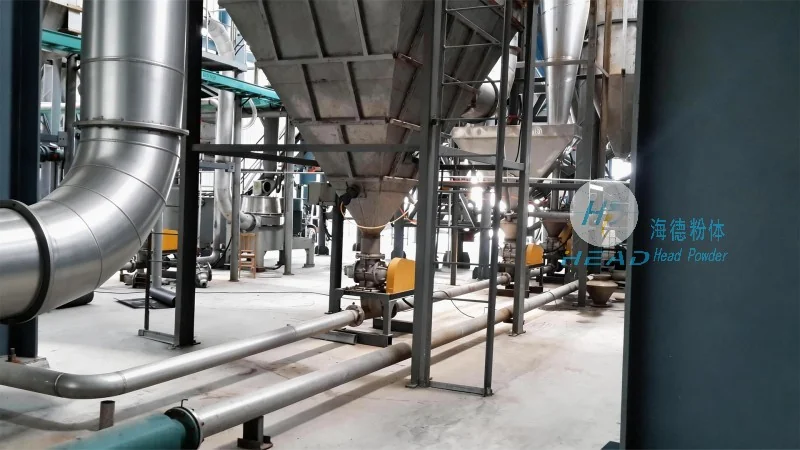
Monocrystalline silicon material pneumatic conveying equipment is a specialized system developed by Shandong HeadPowder Engineering Co., Ltd. to transport monocrystalline silicon particles through a sealed pipeline using compressed air or inert gas. The system is engineered to handle the unique properties of monocrystalline silicon, such as its sensitivity to contamination and its tendency to generate dust during handling. The equipment typically includes a hopper for material storage, a feeder to regulate flow, a conveying line, and a receiver for final deposition. Each component is designed to work in harmony to ensure a smooth, controlled transfer of the material from source to destination.
Core Design Principles for Monocrystalline Silicon Pneumatic Conveying Systems
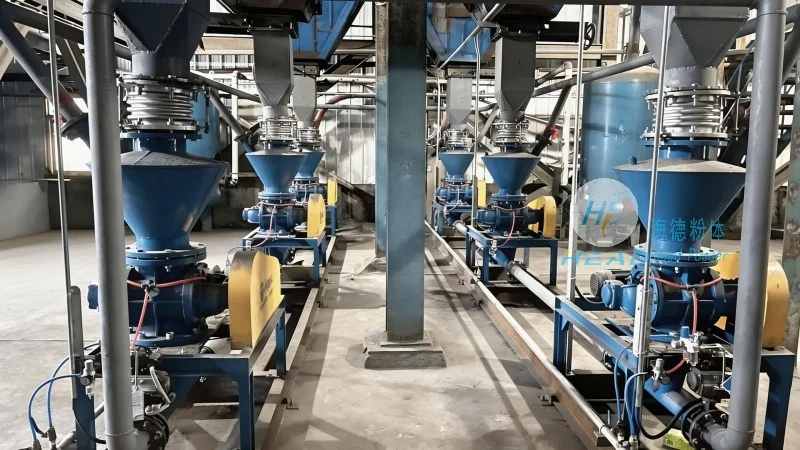
The design of monocrystalline silicon material pneumatic conveying equipment follows several fundamental principles to optimize performance and maintain material integrity. First, the system is constructed from chemically inert materials, primarily stainless steel, to prevent any interaction with the silicon particles and avoid introducing contaminants. This is crucial in semiconductor manufacturing, where purity is non-negotiable. Second, the conveying velocity is carefully controlled to prevent particle degradation, such as abrasion or agglomeration. The velocity is maintained within a specific range to ensure particles move smoothly without excessive friction or impact. Third, the system incorporates dust control measures, including sealed hoppers, dust collection units, and air filtration, to keep the environment clean and prevent contamination. These features collectively ensure that the monocrystalline silicon material remains in its optimal state throughout the conveying process.
Key Components and Their Functions in the Equipment
The effectiveness of monocrystalline silicon material pneumatic conveying equipment relies on the proper integration of several key components. The hopper serves as the primary storage vessel, holding the monocrystalline silicon material and providing a consistent feed to the system. It is designed with a sloped bottom to facilitate material flow and prevent clogging, ensuring a steady supply of material. The feeder, often a rotary valve or screw feeder, regulates the amount of material entering the conveying line, controlling the flow rate to match production needs. This component is critical for maintaining system efficiency and preventing overloading or underloading of the conveying line. The conveying line itself is made of smooth, corrosion-resistant tubing, minimizing friction and ensuring particles move without damage. The receiver, or discharge hopper, collects the material at the end of the line and deposits it into the next processing stage. It is equipped with a venting system to release excess air and maintain stable pressure within the system.
Advantages of Pneumatic Conveying for Monocrystalline Silicon Material Handling
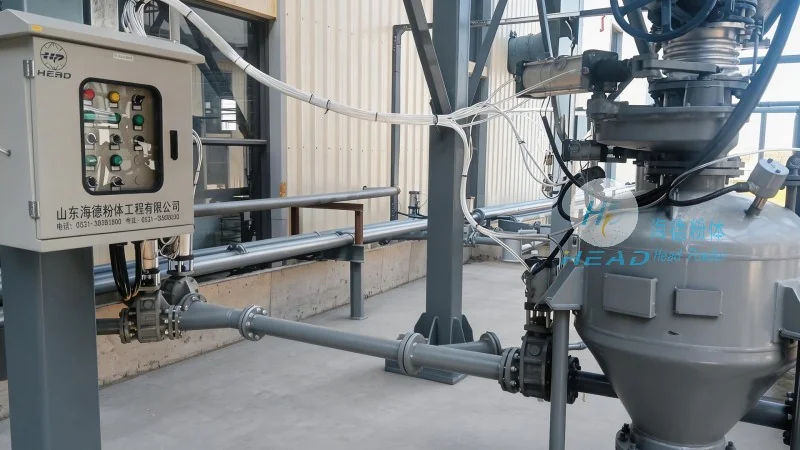
Employing pneumatic conveying systems for monocrystalline silicon material handling offers several advantages. One key benefit is the ability to maintain a high level of purity, as the system is fully enclosed and sealed, preventing exposure to external contaminants. This is essential in applications like solar panel manufacturing, where even trace impurities can affect the efficiency of the final product. Another advantage is the flexibility of the system, which can be adapted to various production scales and layouts. Pneumatic conveying can handle both bulk and fine powders, making it suitable for a wide range of applications. Additionally, the system is relatively compact and can be integrated into existing production lines with minimal disruption, making it an attractive option for manufacturers seeking to upgrade their material handling capabilities without significant capital investment.