

Chloroprene Rubber Material Pneumatic Conveying Equipment: Understanding Its Function and Design Pri
Chloroprene rubber, also known as neoprene, is a versatile synthetic polymer widely used in industrial applications due to its excellent resistance to oil, chemicals, and weathering. When handling chloroprene rubber materials, efficient and reliable material handling systems are crucial for maintaining product quality and operational efficiency. Pneumatic conveying equipment has emerged as a preferred solution for transporting chloroprene rubber, offering advantages such as low maintenance, minimal product contamination, and the ability to handle a wide range of particle sizes and moisture levels.
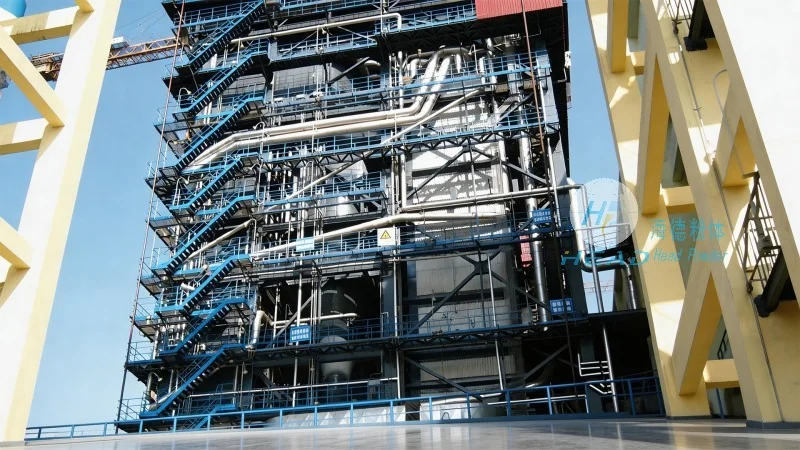
What is Chloroprene Rubber Material Pneumatic Conveying Equipment?
Pneumatic conveying equipment is a system that uses compressed air or other gases to transport bulk materials like chloroprene rubber from one location to another. Unlike mechanical conveying methods (e.g., screw conveyors or belt conveyors), pneumatic systems rely on the force of air to move materials through a pipeline network. This technology is particularly suitable for handling fine powders or granules, which are common in chloroprene rubber processing. The equipment typically consists of a hopper for material storage, a feeder to control the flow rate, a conveying line, and a receiver for the discharged material. The entire system operates under a controlled pressure and airflow, ensuring consistent and safe material transport.
Key Design Principles of Chloroprene Rubber Pneumatic Conveying Systems
The design of a chloroprene rubber pneumatic conveying system involves several critical principles to ensure optimal performance and durability. First, the system must be designed to handle the specific properties of chloroprene rubber, such as its tendency to agglomerate or stick to surfaces. This often requires the use of specialized components like anti-static electrodes, agitators, or vibrators to maintain material flow and prevent blockages. Second, the material of construction is critical. Since chloroprene rubber can be corrosive or abrasive in some applications, the conveying equipment is typically made from materials like stainless steel, polypropylene, or other corrosion-resistant alloys to ensure long-term reliability. Third, the system must be designed for efficient energy use. This includes optimizing the air pressure and flow rate to minimize energy consumption while maintaining the required conveying capacity. Additionally, the system should incorporate features like air filtration and moisture control to protect the chloroprene rubber from degradation and maintain its quality.
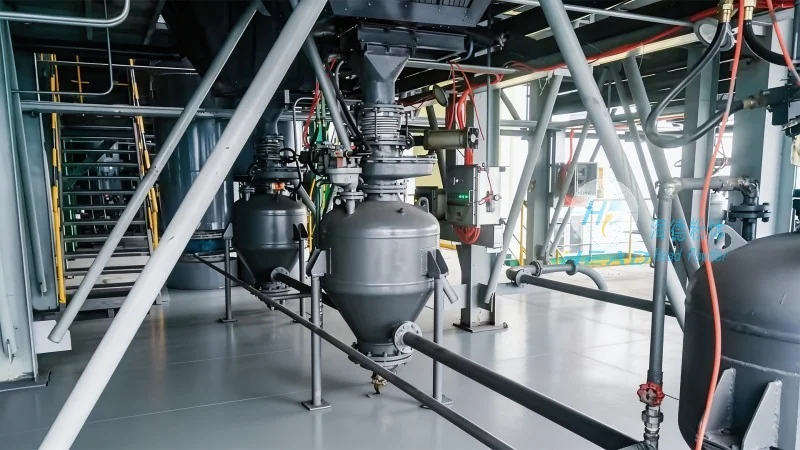
Components and Functionality of the Equipment
The core components of a chloroprene rubber pneumatic conveying system include the hopper, feeder, conveying line, and receiver. The hopper is responsible for storing the chloroprene rubber material and providing a consistent feed to the system. It is often equipped with a level indicator and a discharge valve to control the material flow. The feeder, typically a rotary valve or a screw feeder, regulates the amount of material entering the conveying line, ensuring a steady and controlled flow. The conveying line is the main pathway for the material, usually made of metal or plastic, and is connected to the hopper and receiver. The receiver collects the discharged chloroprene rubber and may include a discharge valve or a discharge chute for further processing. The system also includes an air compressor and a filter system to generate and clean the compressed air used for conveying. The air compressor provides the necessary pressure and volume of air, while the filter removes contaminants from the air to prevent them from entering the material stream and causing contamination or equipment damage.
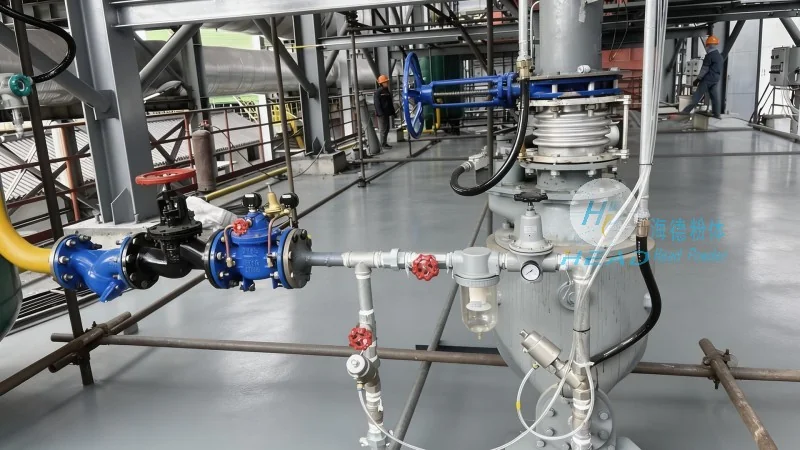
Advantages of Using Pneumatic Conveying for Chloroprene Rubber
Compared to traditional mechanical conveying methods, pneumatic conveying offers several advantages when handling chloroprene rubber. One of the primary benefits is the ability to transport materials over long distances without the need for multiple transfer points or intermediate storage. This reduces the risk of material degradation and improves overall system efficiency. Another advantage is the minimal product contamination. Since the material is transported in a closed system, there is no exposure to external contaminants, which is critical for maintaining the quality of chloroprene rubber, especially in applications where purity is essential. Additionally, pneumatic systems are less prone to blockages and can handle materials with varying particle sizes and moisture content. This flexibility makes them suitable for a wide range of chloroprene rubber processing applications, from small-scale laboratory use to large-scale industrial production.
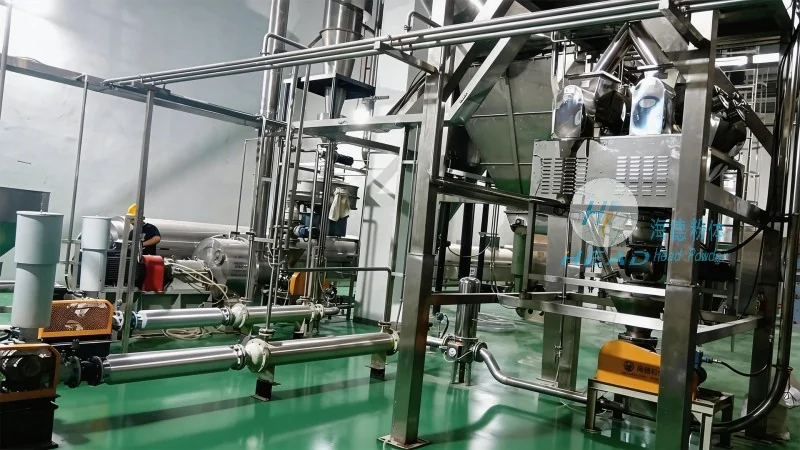
Applications in Chloroprene Rubber Processing
Chloroprene rubber pneumatic conveying equipment is widely used in various stages of chloroprene rubber processing. In the manufacturing process, the equipment is used to transport raw chloroprene rubber from storage silos to mixing and compounding equipment. It can also be used to convey the compounded rubber to extrusion or molding machines. During the quality control process, pneumatic systems are used to transport samples of chloroprene rubber for testing and analysis. In recycling operations, the equipment helps to transport used or waste chloroprene rubber to processing facilities for reclamation. The versatility of pneumatic conveying makes it an essential component in modern chloroprene rubber processing plants, enabling efficient and reliable material handling across all stages of production.
Customization and Integration with Existing Systems
Shandong HeadPowder Engineering Co., Ltd. specializes in designing and manufacturing customized pneumatic conveying systems tailored to the specific needs of chloroprene rubber processing facilities. The company understands that each processing plant has unique requirements, such as the type of chloroprene rubber being handled, the required conveying capacity, and the available space. Therefore, the company offers a range of customization options, including different hopper sizes, feeder types, and conveying line configurations. The systems can also be integrated with existing equipment, such as mixers, extruders, or molding machines, to create a seamless material flow. HeadPowder Engineering also provides technical support and maintenance services to ensure the long-term performance and reliability of the pneumatic conveying systems. The company's expertise in material handling technology, combined with its understanding of chloroprene rubber properties, allows it to deliver high-quality, efficient, and durable equipment that meets the specific needs of its clients.