

What is a Sodium Hydroxide Material Pneumatic Conveying Equipment? What Are Its Design Principles?
Sodium hydroxide, commonly known as caustic soda, is a highly caustic and corrosive chemical widely used in various industrial processes, including chemical manufacturing, paper production, and water treatment. Handling and transporting this hazardous material safely and efficiently is crucial for industrial operations. Pneumatic conveying equipment offers a reliable solution for moving sodium hydroxide from storage to processing units, ensuring minimal exposure to personnel and maintaining product integrity. This article explores the concept of sodium hydroxide material pneumatic conveying equipment and delves into its fundamental design principles.
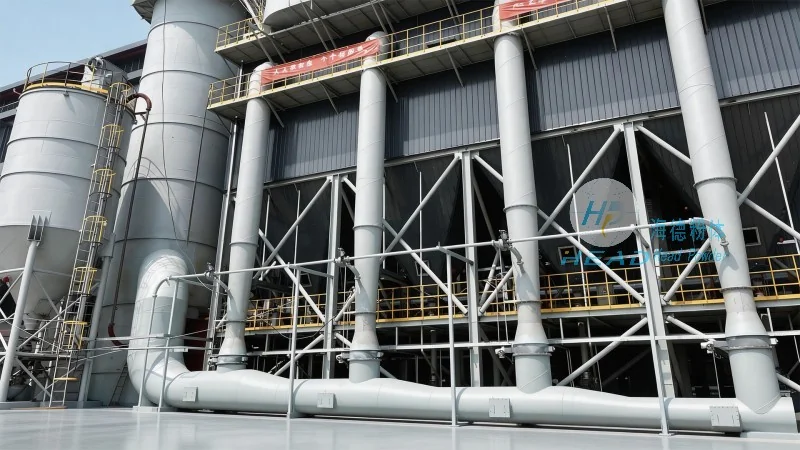
Key Components of Pneumatic Conveying Systems for Sodium Hydroxide
A pneumatic conveying system for sodium hydroxide typically consists of several key components that work in tandem to facilitate material transport. These components include a hopper or feeder to store and meter the material, a conveying line (usually made of corrosion-resistant materials such as stainless steel or PTFE-coated pipes) to transport the material, a blower or compressor to generate the air flow, and a receiver or discharge unit to collect the material at the destination. The selection of materials for these components is critical due to the corrosive nature of sodium hydroxide, as it can degrade or damage standard metal components over time.
Design Principles for Efficient Sodium Hydroxide Pneumatic Conveying
The design of a sodium hydroxide pneumatic conveying system must prioritize several key principles to ensure optimal performance and safety. First, the system must be designed to handle the specific physical and chemical properties of sodium hydroxide, including its high reactivity and potential to cause corrosion. This involves using materials that are resistant to chemical attack, such as 316L stainless steel or specialized coatings. Second, the system must be engineered to minimize the risk of blockages and material degradation. This is achieved through proper design of the conveying line, including appropriate pipe diameters, angles, and the use of air valves or cyclones to separate material from air. Third, the system must incorporate safety features to protect personnel and equipment from accidental releases or overpressurization. These may include pressure relief valves, explosion-proof blower motors, and emergency shut-off systems.
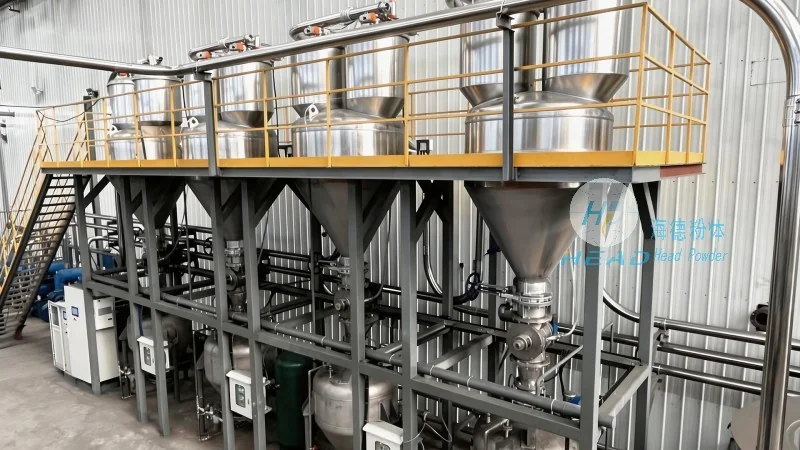
HeadPowder's Expertise in Sodium Hydroxide Pneumatic Conveying Solutions
Shandong HeadPowder Engineering Co., Ltd., a leading manufacturer in the field of material handling equipment, specializes in designing and manufacturing customized pneumatic conveying systems tailored to the unique needs of sodium hydroxide applications. With years of experience in the industry, HeadPowder understands the challenges associated with handling caustic chemicals and has developed advanced solutions that address these challenges effectively. The company's engineers utilize state-of-the-art design software and rigorous testing protocols to ensure that each system meets the highest standards of safety, efficiency, and durability. HeadPowder's commitment to quality and customer satisfaction has made it a trusted partner for many industrial clients worldwide.
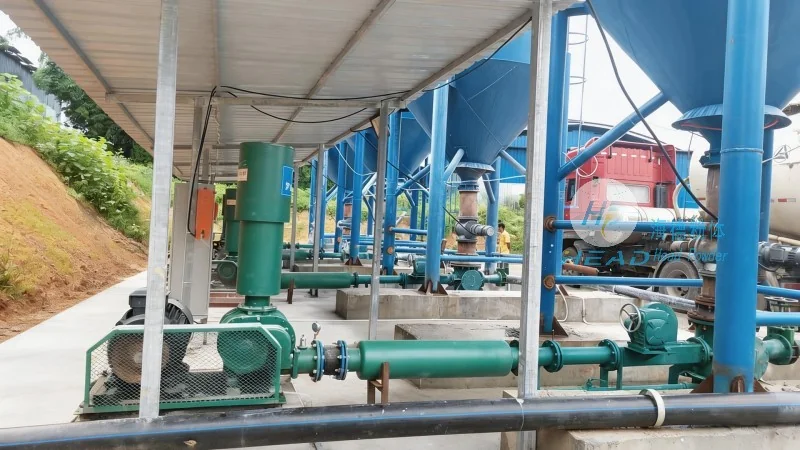
Applications of Sodium Hydroxide Pneumatic Conveying Equipment
Sodium hydroxide pneumatic conveying equipment is widely used in various industrial applications where the safe and efficient transport of caustic soda is required. Some common applications include: chemical plant processing, where sodium hydroxide is used as a raw material in the production of other chemicals; paper mills, where it is used in the pulping and bleaching processes; and water treatment facilities, where it is used to adjust pH levels and remove impurities. In each of these applications, the pneumatic conveying system ensures that sodium hydroxide is transported from storage to processing units without the need for manual handling, reducing the risk of accidents and improving overall operational efficiency.
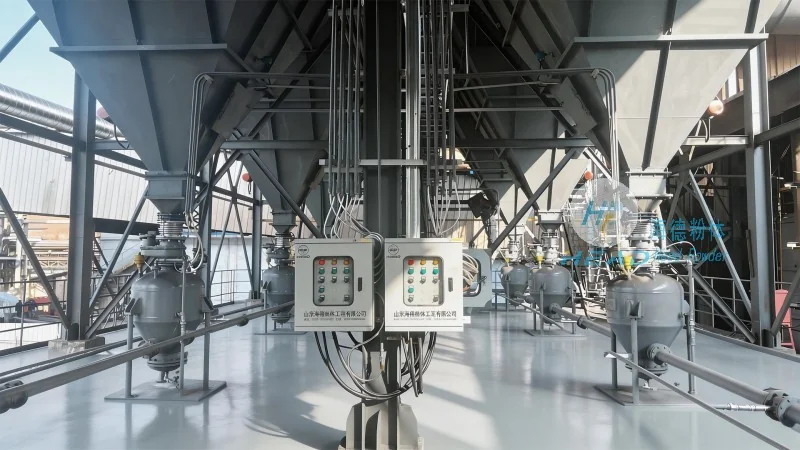
Advantages of Using Pneumatic Conveying for Sodium Hydroxide
Compared to traditional methods of transporting sodium hydroxide, such as belt conveyors or bucket elevators, pneumatic conveying offers several advantages. First, it provides a closed system that prevents dust and fumes from escaping into the environment, reducing the risk of exposure to personnel and minimizing environmental impact. Second, it allows for the transport of sodium hydroxide over long distances with minimal loss of material. Third, it is more flexible in terms of layout, as the conveying line can be easily reconfigured to accommodate changes in plant layout or production needs. Finally, it is more energy-efficient than some other methods, as it uses less power to transport the material.
Conclusion: The Importance of Proper Design and Implementation
In conclusion, sodium hydroxide material pneumatic conveying equipment is a critical component in many industrial processes, providing a safe and efficient means of transporting this hazardous chemical. The design of such systems must prioritize safety, durability, and efficiency, taking into account the specific properties of sodium hydroxide and the requirements of the application. Companies like Shandong HeadPowder Engineering Co., Ltd. play a vital role in providing customized solutions that meet these needs, ensuring that industrial operations can proceed smoothly and safely. By investing in properly designed pneumatic conveying systems, businesses can enhance their operational efficiency, reduce the risk of accidents, and comply with environmental regulations.