

What is the Pneumatic Conveying of Sulfur Flake Material? What Are the Design Principles?
When it comes to the efficient handling and transportation of bulk materials like sulfur flake, pneumatic conveying systems offer a reliable and effective solution. This article delves into the concept of sulfur flake material pneumatic conveying and explores the underlying design principles that make such systems functional and efficient.
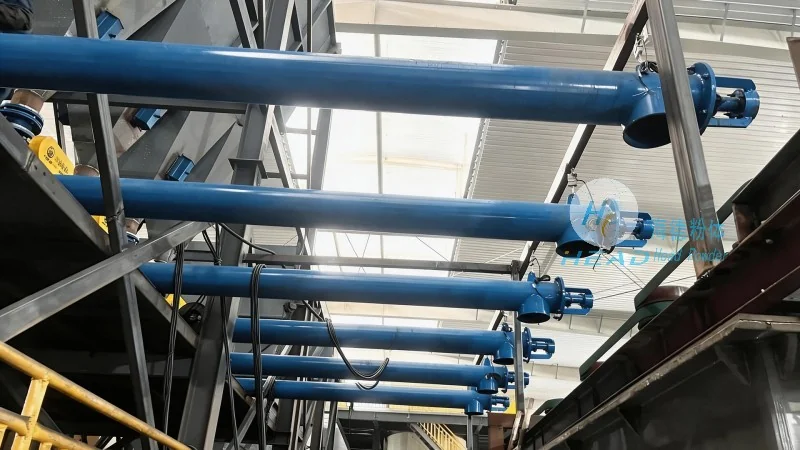
Understanding Sulfur Flake Material and Its Handling Challenges
Sulfur flake is a common form of elemental sulfur, typically produced through the Frasch process or other industrial methods. It is characterized by its solid, flaky structure and relatively low bulk density. Handling sulfur flake requires specialized equipment due to its unique physical properties, such as its tendency to agglomerate or create dust during handling. Traditional methods like belt conveyors or bucket elevators may not be suitable for sulfur flake due to the risk of material degradation or equipment wear. Pneumatic conveying provides a non-contact method of transporting sulfur flake, minimizing the risk of contamination and mechanical damage.
Pneumatic Conveying Basics: How It Works
Pneumatic conveying involves the use of a gas (usually air) to transport solid materials through a pipeline. The system typically consists of a material feed hopper, a conveyor line, and a discharge point. The material is introduced into the system and carried by the moving air stream, which propels it through the pipeline to the desired destination. There are two main types of pneumatic conveying systems: dilute-phase and dense-phase. Dilute-phase systems use higher air velocities to transport material in a dispersed state, while dense-phase systems use lower air velocities to move material in a more concentrated form, often with the aid of a positive displacement blower.
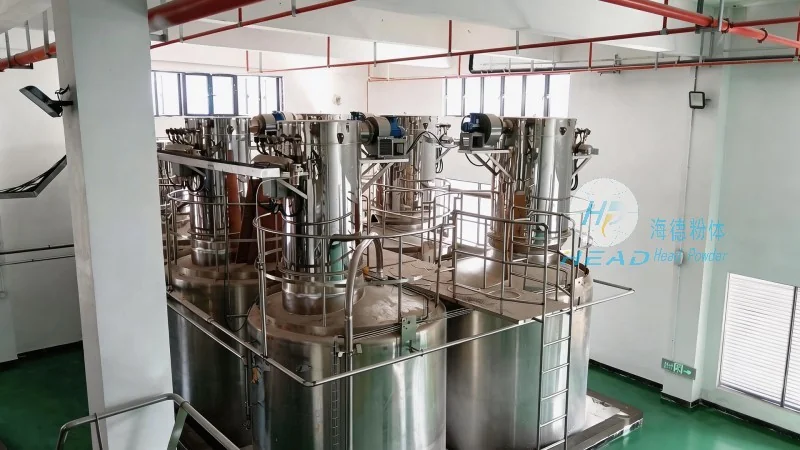
Design Principles for Sulfur Flake Pneumatic Conveying Systems
The design of a sulfur flake pneumatic conveying system must consider several key factors to ensure optimal performance and reliability. First, the system must be able to handle the specific physical properties of sulfur flake, including its bulk density, flowability, and tendency to create dust. The material feed hopper is designed to provide a consistent flow of material into the conveyor line, preventing blockages or uneven feeding. The conveyor line itself is typically made of materials resistant to sulfur corrosion, such as stainless steel or special alloys, to ensure durability and longevity. The air supply system, including the blower or compressor, must be capable of delivering sufficient air volume and pressure to move the sulfur flake through the pipeline at the desired velocity. The system also includes controls and monitoring equipment to regulate the flow rate, pressure, and temperature, ensuring safe and efficient operation.
Key Components and Their Roles in Sulfur Flake Pneumatic Conveying
Shandong HeadPowder Engineering Co., Ltd., a leading manufacturer of bulk material handling systems, specializes in designing and manufacturing pneumatic conveying systems for sulfur flake and other bulk materials. The company's expertise in material handling technology ensures that their systems are tailored to the specific needs of each application. The material feed hopper is responsible for storing and feeding the sulfur flake into the system. It is often equipped with a rotary valve or a screw feeder to control the flow rate and prevent material buildup. The conveyor line is the main pathway for transporting the sulfur flake, and its design, including the diameter and length, is determined based on the material's properties and the required conveying distance. The discharge point is where the sulfur flake is released from the system, and it may include a dust collection system to capture any airborne particles and prevent environmental contamination. The air supply system, which includes the blower or compressor, provides the necessary air pressure and volume to move the material. The system also includes filters and separators to remove any solid particles from the air stream, ensuring clean and efficient operation.
Advantages of Using Pneumatic Conveying for Sulfur Flake Handling
There are several advantages to using pneumatic conveying for sulfur flake material handling. First, it provides a non-contact method of transportation, which minimizes the risk of material contamination and equipment wear. This is particularly important for sulfur flake, which can be sensitive to moisture or other contaminants. Second, pneumatic conveying systems are highly flexible and can be easily integrated into existing industrial processes. They can be designed to handle varying material flow rates and conveying distances, making them suitable for a wide range of applications. Third, the system is relatively compact and can be installed in confined spaces, which is beneficial for facilities with limited floor space. Finally, pneumatic conveying systems are energy-efficient compared to other bulk material handling methods, as they use less power to transport the material over long distances.
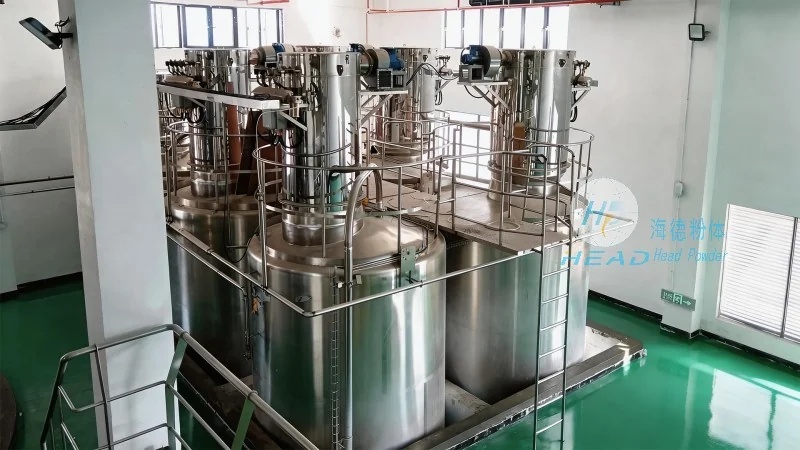
Considerations for Designing an Efficient Sulfur Flake Pneumatic Conveying System
When designing a sulfur flake pneumatic conveying system, several considerations must be taken into account to ensure optimal performance. First, the system must be designed to handle the specific physical properties of sulfur flake, including its bulk density, flowability, and tendency to create dust. The material feed hopper and conveyor line must be sized appropriately to prevent blockages or uneven feeding. Second, the system must be constructed from materials resistant to sulfur corrosion to ensure durability and longevity. Third, the air supply system must be capable of delivering sufficient air volume and pressure to move the sulfur flake through the pipeline at the desired velocity. The system should also include controls and monitoring equipment to regulate the flow rate, pressure, and temperature, ensuring safe and efficient operation. Finally, the system should be designed with safety in mind, including features such as dust collection systems and emergency shut-off valves to prevent accidents and environmental contamination.
Conclusion: The Importance of Proper Design in Sulfur Flake Pneumatic Conveying
Sulfur flake material pneumatic conveying is a critical process in many industrial applications, and the design of the system plays a crucial role in its success. By understanding the physical properties of sulfur flake and the principles of pneumatic conveying, engineers can design systems that are efficient, reliable, and safe. The use of proper materials, components, and controls ensures that the system operates at peak performance, minimizing downtime and maximizing productivity. For companies dealing with sulfur flake, investing in a well-designed pneumatic conveying system is essential for maintaining a competitive edge in the market.