

What is Quartz Sand Material Pneumatic Conveying? And What Are Its Design Principles?
Quartz sand, a widely used industrial material, often requires efficient and reliable transportation methods to move it from one location to another. Pneumatic conveying, a technology that uses air or gas to transport bulk materials, offers a solution for handling quartz sand with precision and control. This article explores the fundamentals of quartz sand material pneumatic conveying and delves into the key design principles that ensure optimal performance.
Introduction to Quartz Sand Material Pneumatic Conveying
Quartz sand is a granular material composed primarily of silicon dioxide (SiO₂), making it a common component in various industries such as construction, glass manufacturing, and foundries. Traditional methods of transporting quartz sand, like belt conveyors or bucket elevators, may face challenges like material degradation, dust generation, and operational inefficiencies. Pneumatic conveying systems provide a more flexible and effective alternative, enabling the safe and efficient movement of quartz sand while minimizing environmental impact.
Key Components of a Pneumatic Conveying System for Quartz Sand
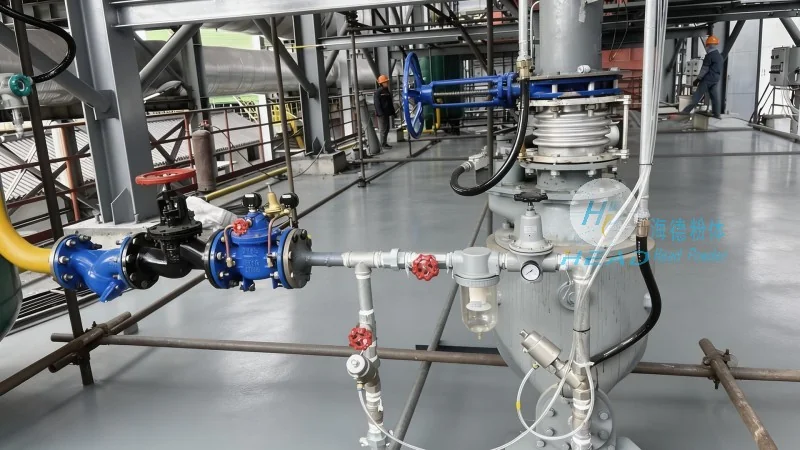
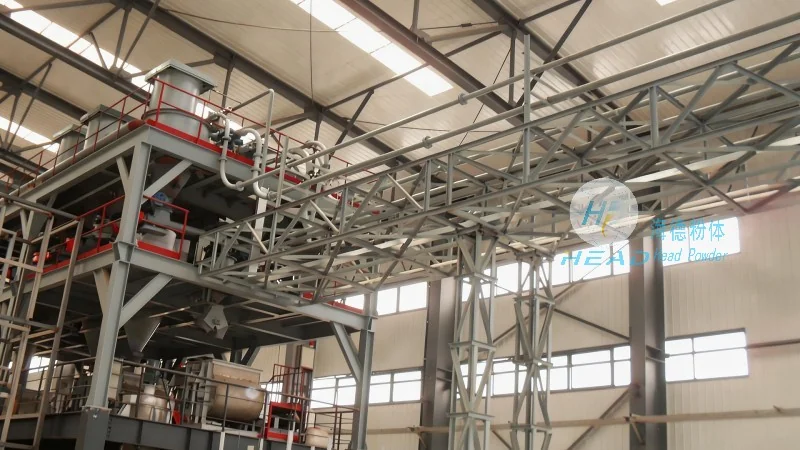
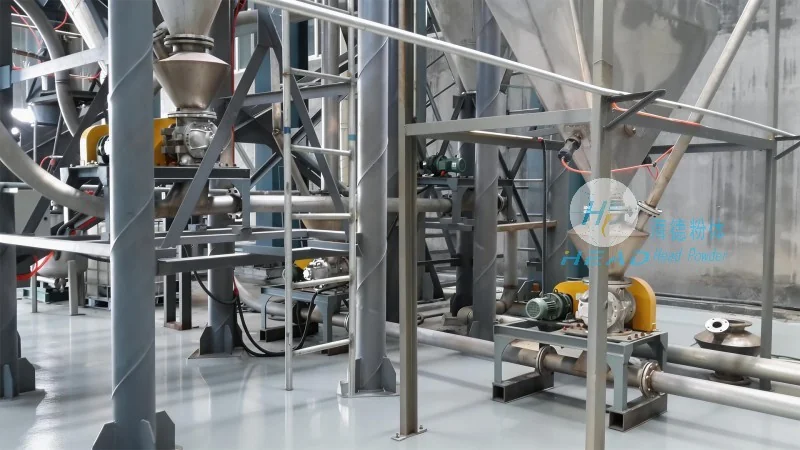
A pneumatic conveying system for quartz sand typically consists of several critical components that work in tandem to achieve efficient material transport. These components include the material feed hopper, which holds the quartz sand and regulates its flow into the system; the air supply system, which generates the necessary air pressure or vacuum to move the material; the conveying line, which can be either a positive pressure or negative pressure system depending on the application; and the discharge equipment, which delivers the quartz sand to its final destination. Additionally, filters and dust collectors are often integrated to capture any airborne particles and maintain air quality.
Design Principles for Quartz Sand Pneumatic Conveying Systems
The design of a quartz sand pneumatic conveying system involves several key principles that ensure its effectiveness and longevity. First, the system must be designed to handle the specific properties of quartz sand, including its particle size distribution, density, and abrasiveness. The conveying velocity must be carefully selected to prevent material degradation and ensure that the quartz sand particles do not settle or deposit within the system. Second, the system must be constructed with materials that can withstand the abrasive nature of quartz sand, such as stainless steel or high-grade alloys, to minimize wear and tear and extend the system's lifespan. Third, the system's layout and configuration must be optimized to minimize pressure losses and energy consumption, ensuring that the conveying process is both efficient and cost-effective.
Positive vs. Negative Pressure Conveying for Quartz Sand
When designing a pneumatic conveying system for quartz sand, engineers must choose between positive pressure and negative pressure systems. Positive pressure systems use compressed air to push the material through the conveying line, while negative pressure systems use a vacuum to draw the material into the system. The choice between these two systems depends on factors such as the distance to be covered, the material's properties, and the desired level of control. For quartz sand, positive pressure systems are often preferred for longer distances or when precise control over the material's flow is required, as they provide better pressure stability and can handle higher material loads.
Material Handling Considerations in Quartz Sand Pneumatic Conveying
Handling quartz sand in a pneumatic conveying system requires careful consideration of several factors to ensure smooth operation. The particle size of the quartz sand is a critical factor, as larger particles may cause blockages or increased wear on the system components. Therefore, it is essential to pre-screen the quartz sand to remove oversized particles before it enters the conveying system. Additionally, the moisture content of the quartz sand must be controlled, as excessive moisture can lead to clumping or caking, which can disrupt the conveying process. Proper drying and conditioning of the quartz sand before it is fed into the system can help mitigate these issues and ensure consistent performance.
Energy Efficiency and Environmental Impact
Designing an energy-efficient pneumatic conveying system for quartz sand is crucial for reducing operational costs and minimizing environmental impact. The system's energy consumption can be optimized by selecting the appropriate conveying velocity and pressure, as well as by using efficient air compressors and filters. Additionally, incorporating features such as variable speed drives and pressure recovery systems can further enhance energy efficiency. From an environmental perspective, the system must be designed to minimize dust emissions and noise pollution. This can be achieved through the use of high-efficiency filters, soundproofing materials, and proper ventilation systems.
Conclusion: The Importance of Proper Design in Quartz Sand Pneumatic Conveying
Quartz sand material pneumatic conveying is a highly effective method for transporting quartz sand, offering advantages over traditional methods in terms of efficiency, control, and environmental impact. However, the success of such a system depends heavily on its proper design and implementation. By considering the specific properties of quartz sand, selecting the appropriate system components, and adhering to key design principles, engineers can develop a pneumatic conveying system that meets the needs of the quartz sand industry while ensuring long-term reliability and performance.
Shandong HeadPowder Engineering Co., Ltd., a leading provider of pneumatic conveying solutions, specializes in designing and manufacturing customized systems for handling quartz sand and other bulk materials. With years of experience and a commitment to quality, HeadPowder offers tailored solutions that address the unique challenges of quartz sand transportation, ensuring optimal performance and customer satisfaction.