

Pneumatic Conveying of Gray Calcium Powder: Understanding Design Principles
Gray calcium powder, a widely used industrial material, often requires efficient and reliable transportation methods for processing and distribution. Pneumatic conveying emerges as a critical solution, enabling the movement of such powders through a pressurized or vacuum system. This article delves into the fundamentals of pneumatic conveying for gray calcium powder and explores the underlying design principles that ensure optimal performance.
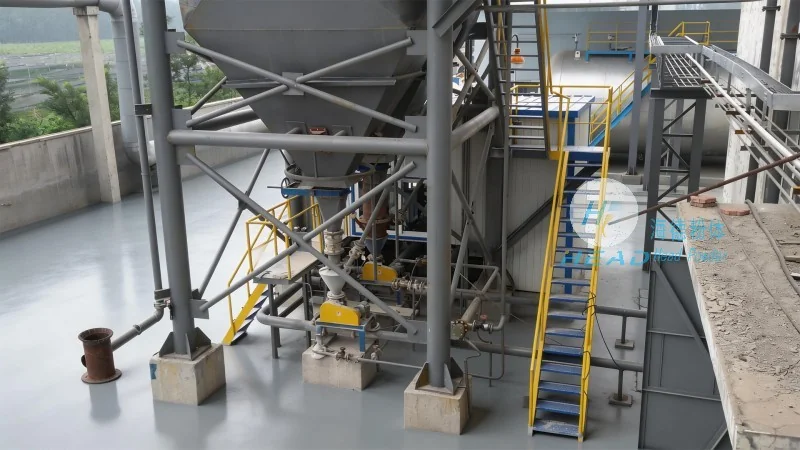
Understanding Pneumatic Conveying Systems
Pneumatic conveying systems utilize air or gas to transport bulk materials like gray calcium powder. These systems can be categorized into two main types: dilute-phase and dense-phase. Dilute-phase systems operate at higher velocities, typically moving particles in a dispersed state, while dense-phase systems use lower velocities and higher pressure to move material in a more compacted form. For gray calcium powder, the choice between these systems depends on factors such as material properties, distance, and required flow rate. The system design must account for the powder's particle size, moisture content, and flow characteristics to prevent issues like blockages or degradation.
Key Design Principles for Gray Calcium Powder Conveying
The design of a pneumatic conveying system for gray calcium powder involves several critical principles. First, the system must ensure proper air flow and pressure to maintain consistent material transport. This includes selecting appropriate duct sizes, air velocities, and pressure differentials. Second, the system must incorporate components that minimize material degradation, such as smooth pipe surfaces and gentle bends to avoid abrasion. Third, the design must address the potential for dust emissions and implement effective dust control measures, including filters and cyclones, to comply with environmental regulations. Additionally, the system should be equipped with monitoring and control mechanisms to maintain optimal performance and detect any issues promptly.
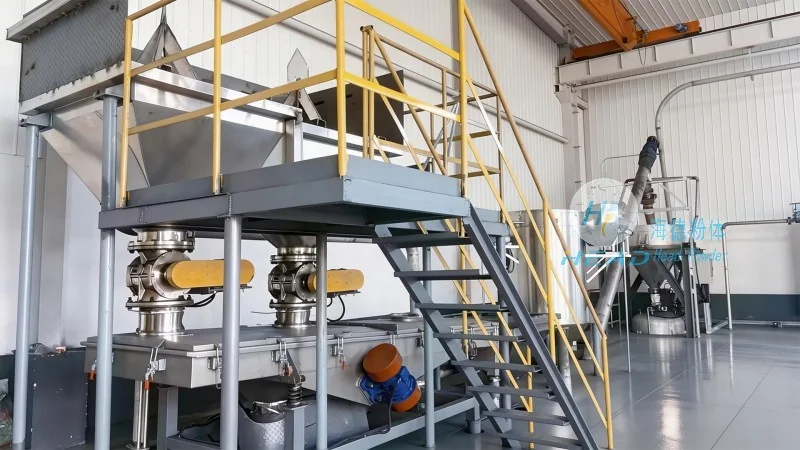
Role of Material Properties in System Design
The physical and chemical properties of gray calcium powder significantly influence the design of a pneumatic conveying system. For instance, the powder's particle size distribution affects the air velocity required for transport; finer particles may require higher velocities to prevent settling. Moisture content also plays a role, as high moisture can lead to clumping or caking, which can impede flow. The density and bulk density of the material impact the pressure drop across the system, requiring adjustments to the air flow rate and system pressure. Understanding these properties allows engineers to tailor the system design to the specific needs of the gray calcium powder, ensuring efficient and reliable operation.
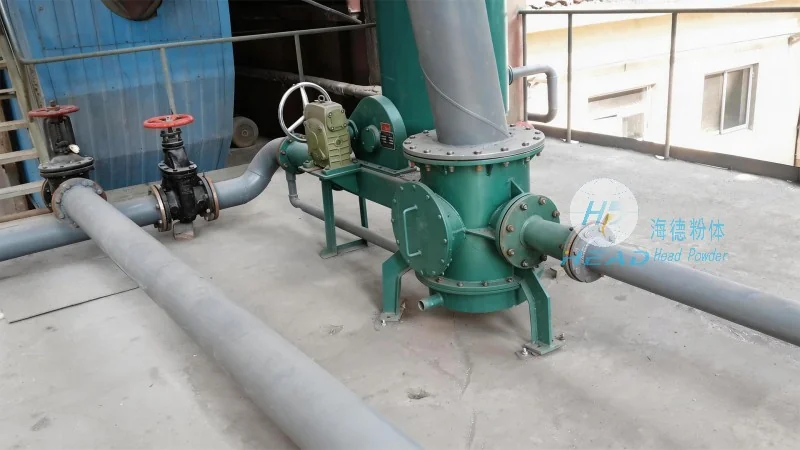
Components of a Typical Pneumatic Conveying System
A pneumatic conveying system for gray calcium powder typically consists of several key components. The feed system, which includes a hopper and feeder, ensures a consistent supply of material into the system. The ductwork, made of materials resistant to abrasion and corrosion (such as stainless steel or plastic), transports the powder and air mixture. The air source, often a blower or compressor, provides the necessary pressure and flow. The conveying line may include components like bends, elbows, and straight sections, each designed to minimize pressure loss and maintain material flow. At the discharge end, a receiver or silo collects the conveyed material, and a dust collection system, including filters and cyclones, removes any airborne particles. These components work together to create a cohesive system that efficiently handles gray calcium powder while adhering to design principles.
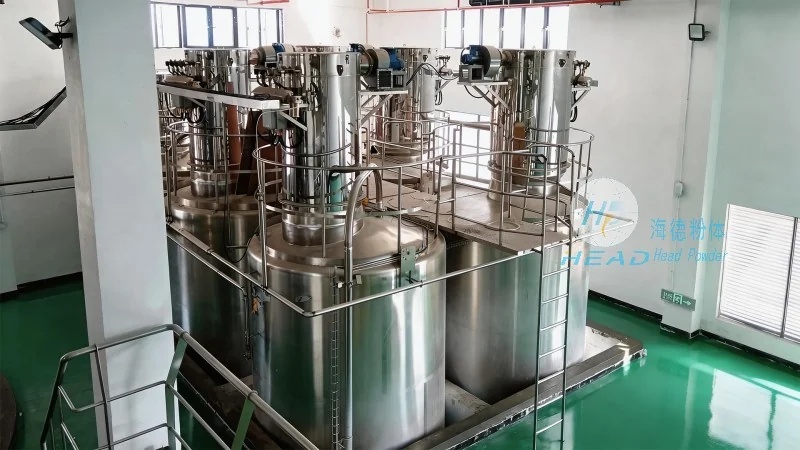
Applications and Benefits of Pneumatic Conveying for Gray Calcium Powder
Pneumatic conveying of gray calcium powder is widely used in various industrial applications, including manufacturing, construction, and food processing. The primary benefits of this method include reduced labor costs, improved safety (as material is transported without manual handling), and enhanced process control. Additionally, pneumatic conveying can handle large volumes of material over long distances, making it suitable for facilities with extensive production lines. The system also allows for integration with other processing equipment, such as mixers or reactors, enabling seamless material flow throughout the production process. For gray calcium powder, the ability to maintain material integrity and prevent contamination is crucial, and pneumatic conveying systems are designed to achieve this by minimizing exposure to external elements and controlling the flow environment.
Conclusion: Optimizing Pneumatic Conveying for Gray Calcium Powder
In conclusion, pneumatic conveying is a vital technology for the efficient handling of gray calcium powder. The design principles, material properties, and system components all play critical roles in ensuring the system operates effectively and reliably. By understanding these elements and tailoring the system to the specific characteristics of gray calcium powder, industries can achieve optimal performance, reduced costs, and improved safety. As a leading provider in this field, Shandong HeadPowder Engineering Co., Ltd. specializes in designing and implementing pneumatic conveying systems that meet the unique needs of clients, ensuring the successful transportation of gray calcium powder in various industrial applications.