

What is Desulfurization Fly Ash Material Pneumatic Conveying? And What Are Its Design Principles?
Desulfurization fly ash, a byproduct of flue gas desulfurization processes in power plants and industrial facilities, requires efficient handling and transportation. Pneumatic conveying systems offer a reliable solution for moving this material, and understanding the design principles behind such systems is crucial for optimizing performance and ensuring operational efficiency.
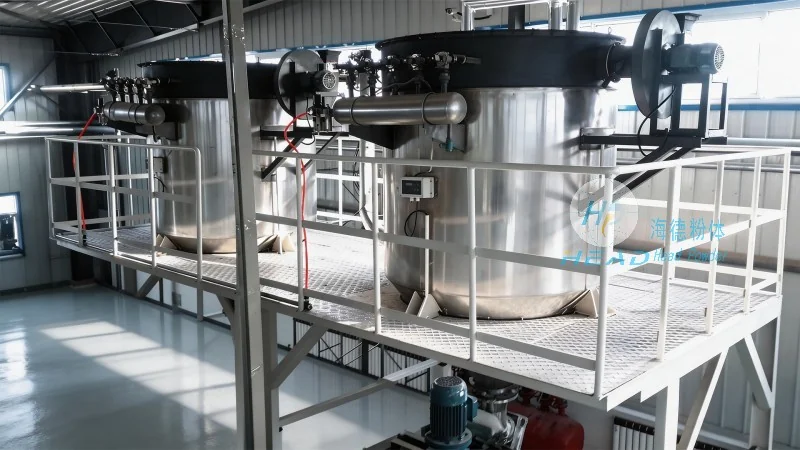
HeadPowder's Expertise in Pneumatic Conveying Solutions
Shandong HeadPowder Engineering Co., Ltd., a leading provider of engineering solutions, specializes in designing and implementing pneumatic conveying systems tailored to the unique challenges of handling desulfurization fly ash. With years of experience in the field, HeadPowder combines technical expertise with practical application knowledge to deliver systems that meet the specific needs of clients.
Key Design Principles of Pneumatic Conveying for Fly Ash
The design of a pneumatic conveying system for desulfurization fly ash involves several critical principles that ensure effective material transport. These include the selection of appropriate air velocities, the configuration of the conveying line (e.g., straight or curved sections), and the use of suitable equipment such as blowers, cyclones, and collection vessels. The system must be designed to handle the physical properties of fly ash, including its particle size distribution, moisture content, and density, to prevent blockages and ensure consistent flow.
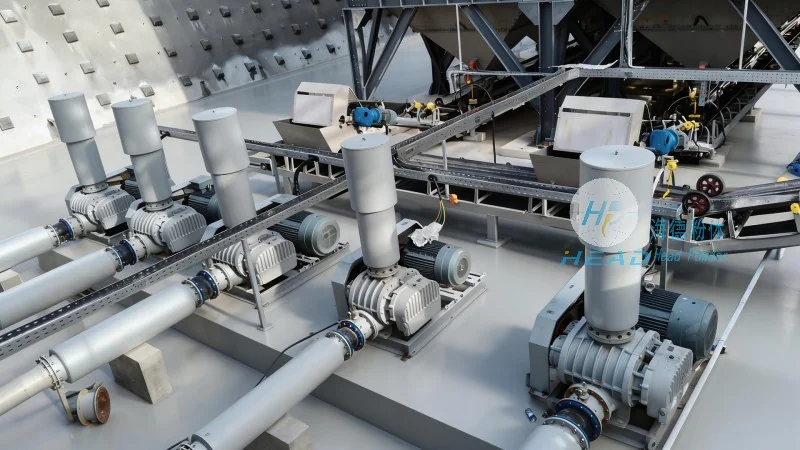
Components and Functionality of Pneumatic Conveying Systems
A typical pneumatic conveying system for desulfurization fly ash consists of several key components. The system starts with a material feed hopper that feeds the fly ash into the conveying line. A blower or compressor provides the necessary air pressure to move the material. The conveying line may include straight sections, bends, and expansion or contraction sections to accommodate changes in direction and pressure. At the receiving end, a cyclone separator or filter separates the fly ash from the air stream, allowing the material to be collected in a storage bin or transported to a disposal or reutilization site.
Advantages of Pneumatic Conveying for Fly Ash Handling
Pneumatic conveying offers several advantages over traditional methods like belt conveyors or trucks for handling desulfurization fly ash. These include the ability to transport material over long distances without the need for multiple transfer points, reduced risk of dust emissions (when properly sealed), and the flexibility to handle varying material flow rates. Additionally, pneumatic systems can be integrated with other processes, such as drying or mixing, to enhance overall operational efficiency.
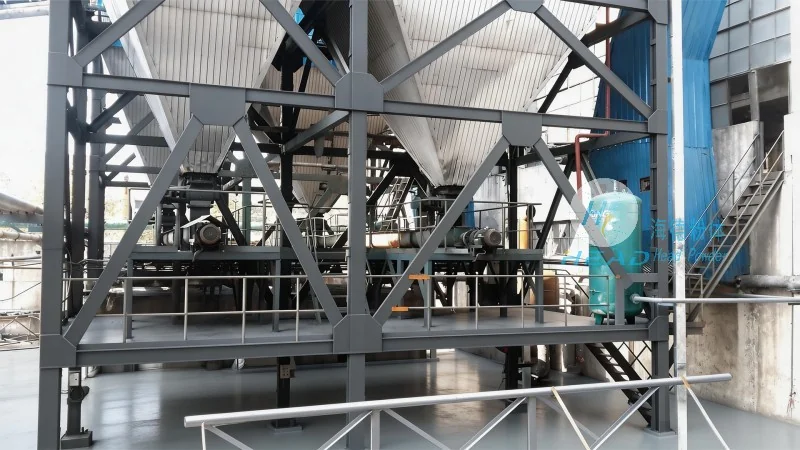
Customization and Application Considerations
Each desulfurization fly ash handling project is unique, and the pneumatic conveying system must be customized to meet specific requirements. Factors such as the distance to be covered, the volume of material to be transported, and the existing infrastructure at the site all influence the system design. HeadPowder engineers work closely with clients to assess these factors and develop a system that is both effective and cost-efficient. The company also considers environmental regulations and safety standards to ensure compliance and minimize operational risks.
Conclusion: Reliable Solutions for Fly Ash Management
Desulfurization fly ash pneumatic conveying systems, designed with sound engineering principles, provide an efficient and reliable method for handling this important byproduct. By leveraging the expertise of companies like Shandong HeadPowder Engineering Co., Ltd., facilities can ensure that their fly ash is transported safely and effectively, contributing to overall operational success and environmental compliance.