

What is Malt Material Pneumatic Conveying? What Are the Design Principles?
Malt material pneumatic conveying is a specialized method used in the processing and handling of malt, a key ingredient in the brewing industry. This technology involves transporting dry or semi-dry malt particles through a pipeline using air or other gas as the conveying medium. The process is crucial for efficient and hygienic movement of malt from storage silos, processing units, or packaging areas within a brewery. Understanding the fundamentals of this system, including its design principles, is essential for optimizing operational efficiency and maintaining product quality in malt handling operations.
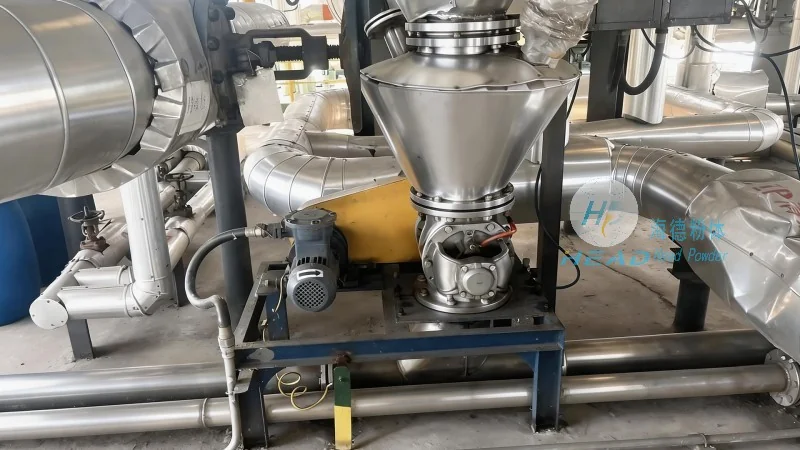
Key Design Principles for Malt Pneumatic Conveying
The design of a malt material pneumatic conveying system is based on several critical principles that ensure reliable and efficient operation. First, the system must be designed to handle the specific physical properties of malt, such as particle size, density, and moisture content. These characteristics influence the selection of the conveying velocity, pipeline diameter, and the type of air or gas used. Second, the system must maintain a consistent pressure and flow rate to prevent blockages and ensure smooth material movement. This often involves the use of positive pressure systems, where air is forced through the pipeline, or negative pressure systems, where air is drawn out. Third, the design must incorporate appropriate equipment, including feeders, cyclones, and filters, to handle the malt's characteristics and maintain system cleanliness. Additionally, the system must be constructed from materials that are compatible with malt and resistant to corrosion, ensuring long-term durability and hygiene.
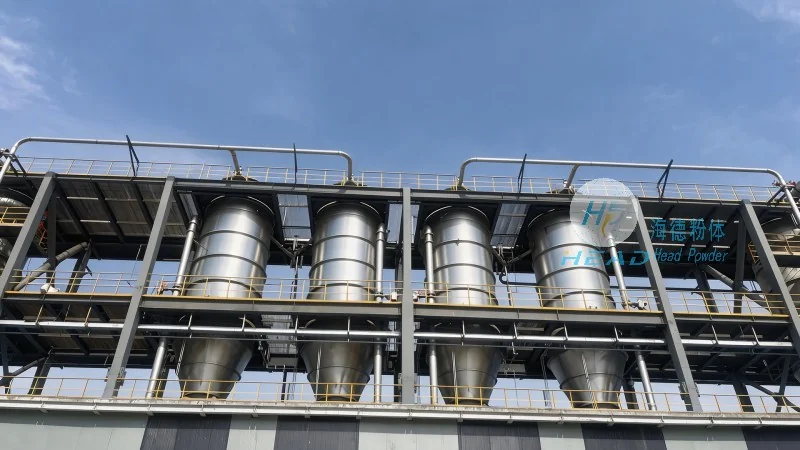
Components and Functionality of Malt Pneumatic Conveying Systems
A typical malt material pneumatic conveying system consists of several key components that work together to transport the material. The primary components include a material feeder, which meters the malt into the conveying line at a controlled rate. The feeder may be a rotary valve, a screw feeder, or a vibratory feeder, depending on the system design and the properties of the malt. Next, the conveying line itself, which is usually made of stainless steel or other corrosion-resistant materials, is designed to withstand the pressure and temperature conditions of the system. The line may include bends, elbows, and straight sections, with the diameter adjusted to maintain the appropriate conveying velocity. At the receiving end, a cyclone separator is used to separate the malt particles from the air stream, allowing the malt to be discharged into a storage bin or processing unit. The separated air is then filtered to remove any fine particles before being released back into the environment. The system may also include a blower or compressor to generate the necessary air pressure, and a control system to monitor and adjust the flow rate and pressure as needed.
Benefits of Using Malt Pneumatic Conveying Systems
Implementing a malt material pneumatic conveying system offers several significant benefits for breweries. First, it provides a hygienic and dust-free method of handling malt, which is critical for maintaining product quality and compliance with food safety regulations. Unlike traditional mechanical conveying systems, which can generate dust and contamination, pneumatic systems keep the malt contained within the pipeline, reducing the risk of cross-contamination and improving overall product purity. Second, the system offers high efficiency in terms of material handling, allowing for continuous and automated transport of malt from storage to processing areas. This reduces labor costs and increases production throughput, as the system can operate 24/7 without the need for frequent maintenance or manual intervention. Third, the design flexibility of pneumatic systems allows for easy integration with existing brewery infrastructure, with the ability to add or modify conveying lines as production needs change. Additionally, the system can be designed to handle different types of malt, including whole grain, crushed, or milled malt, making it a versatile solution for various brewing processes.
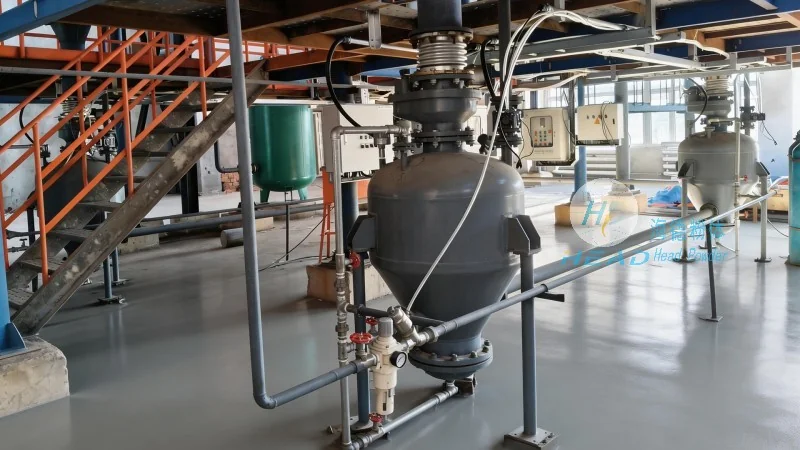
Customization and Application in Malt Processing
Shandong HeadPowder Engineering Co., Ltd., a leading manufacturer of pneumatic conveying systems, specializes in designing and manufacturing customized malt material pneumatic conveying solutions tailored to the specific needs of breweries. The company, often referred to as HeadPowder, leverages years of experience in material handling technology to develop systems that meet the unique requirements of malt processing. Their expertise includes the selection of appropriate equipment, such as feeders, cyclones, and filters, based on the characteristics of the malt being handled. The company also provides comprehensive design services, including system layout, component selection, and engineering calculations, to ensure that the final system is optimized for efficiency and reliability. With a focus on quality and customer satisfaction, HeadPowder offers systems that are built to last, with durable materials and robust construction that can withstand the demands of continuous operation in a brewery environment. The company's headquarters is located in Shandong, China, where they maintain a state-of-the-art manufacturing facility and technical support team to assist customers with installation, commissioning, and ongoing maintenance of their systems.