

What is Soda Ash Powder Pneumatic Conveying Equipment? What Are Its Design Principles?
For industrial operations involving the handling of soda ash powder, efficient and reliable material transport is a critical requirement. Pneumatic conveying systems have become a preferred solution for transporting bulk powders such as soda ash, offering advantages like low maintenance, minimal product contamination, and the ability to handle materials over extended distances. This article examines the concept of soda ash powder pneumatic conveying equipment and explores the fundamental design principles that govern its operation.
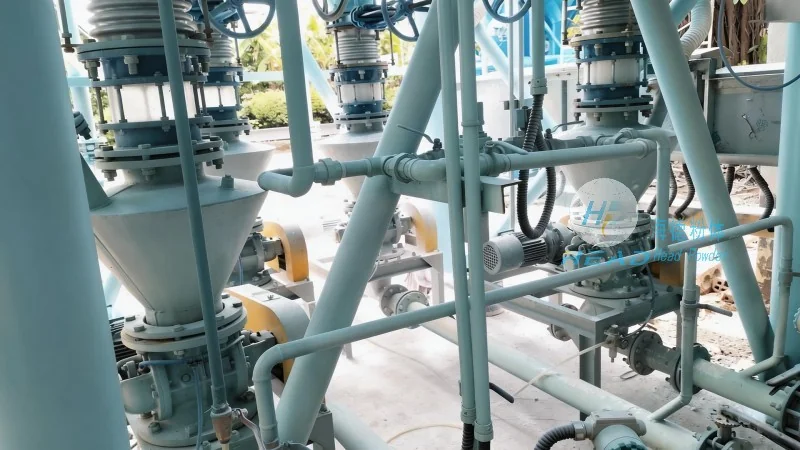
Pneumatic Conveying: A Brief Introduction
Pneumatic conveying is a method of transporting bulk materials through a pipeline using a gas stream, typically air or other gases. Unlike mechanical conveying systems that rely on components like belts or screws, pneumatic systems utilize pressure differentials to move materials. This approach is especially suitable for fine powders like soda ash, which are prone to caking or segregation if handled improperly.
Core Components of Soda Ash Powder Pneumatic Conveying Systems
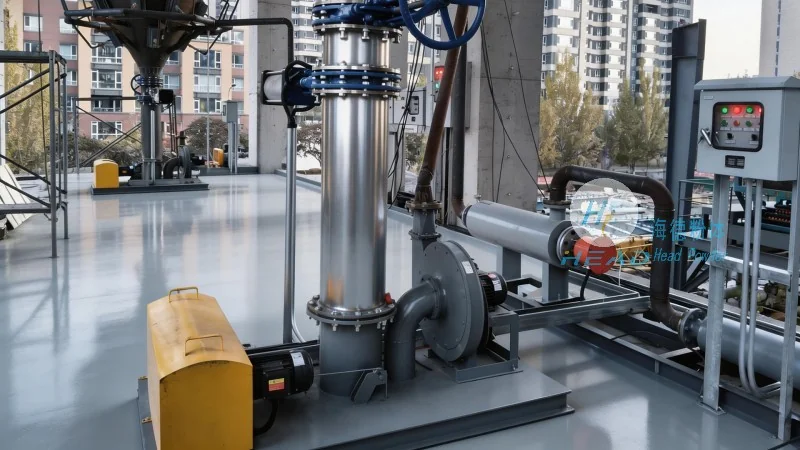
The soda ash powder pneumatic conveying system comprises several essential components that work together to ensure efficient material transport. These components include the material feed hopper, the air supply system (usually a blower or compressor), the conveying line (often constructed from stainless steel or other corrosion-resistant materials), and the discharge unit. Each component is carefully designed to contribute to the overall system performance and reliability.
Design Principles for Optimal Performance
The design of a soda ash powder pneumatic conveying system is guided by several key principles aimed at maximizing efficiency, minimizing energy consumption, and ensuring safe operation. One primary principle is maintaining a consistent air velocity within the conveying line. The air velocity must be high enough to prevent material settling or clogging but low enough to avoid excessive energy use. This balance is typically achieved by selecting the appropriate blower capacity and adjusting the conveying line diameter.
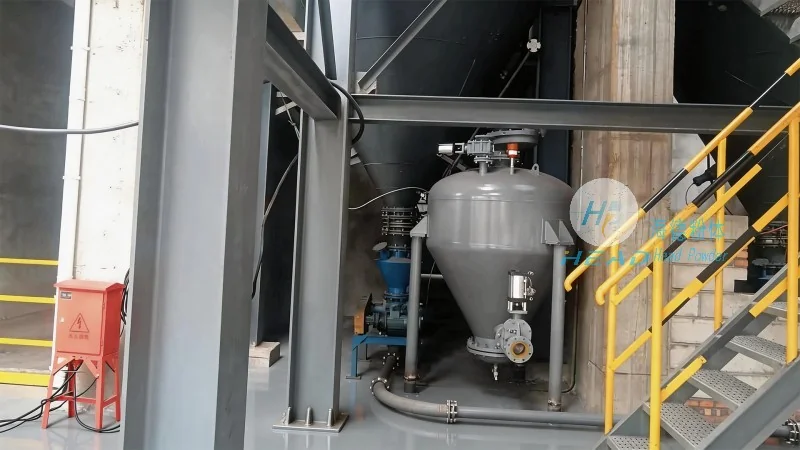
Another critical design principle is the proper sizing and design of the material feed hopper. The hopper must be engineered to prevent material bridging or arching, which can disrupt the flow of soda ash powder. The hopper’s geometry, including its angle and dimensions, is carefully optimized to ensure smooth material discharge into the conveying line. Additionally, the use of a rotary valve or other feed mechanism at the inlet helps to control the flow rate and prevent surges that could lead to system instability.
Material-Specific Handling Considerations
When designing a pneumatic conveying system for soda ash powder, it is essential to consider the physical properties of the material. Soda ash, or sodium carbonate, is a fine, white powder with a relatively low bulk density. These characteristics influence the system design, as higher air velocities may be required to maintain material suspension. The system must also be constructed from materials resistant to corrosion and chemical attack, as soda ash can be slightly alkaline and may cause wear on metal components over time.
System Integration and Maintenance Practices
Effective integration of the soda ash powder pneumatic conveying equipment with the overall production process is vital for operational success. The system must be designed to interface seamlessly with upstream and downstream processes, such as storage silos or processing equipment. Regular maintenance is also crucial to ensure long-term reliability. This includes monitoring air pressure, checking for leaks in the conveying line, and cleaning the system to prevent buildup of soda ash powder, which can reduce efficiency and increase energy consumption.
Conclusion
Soda ash powder pneumatic conveying equipment represents a sophisticated system that combines engineering principles with material science to achieve efficient bulk material transport. By adhering to design principles such as maintaining optimal air velocity, proper hopper design, and material-specific considerations, manufacturers can develop systems that deliver reliable performance for industrial applications. The expertise of companies like Shandong HeadPowder Engineering Co., Ltd., based in China, plays a key role in designing and implementing such systems, ensuring that clients receive tailored solutions that meet their specific operational needs.