

What is a Barley Powder Pneumatic Conveying Equipment? And What Are Its Design Principles?
Barley powder pneumatic conveying equipment is a specialized system designed to transport barley powder and other fine particulate materials through a pipeline using compressed air or other gas as the conveying medium. This technology is widely used in the food processing, pharmaceutical, and chemical industries due to its efficiency and ability to handle delicate powders without degradation or contamination.
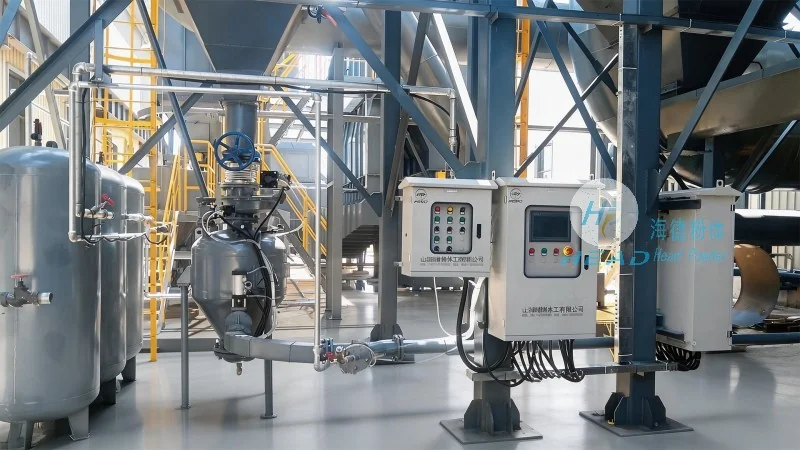
HeadPowder, a leading manufacturer based in Shandong, China, specializes in the design, manufacturing, and supply of such advanced pneumatic conveying systems. The company's expertise lies in creating customized solutions that meet the specific requirements of clients, ensuring optimal performance and reliability in various industrial applications.
Understanding the Core Function of Barley Powder Pneumatic Conveying Equipment
At its essence, a barley powder pneumatic conveying system operates by generating a flow of air or gas within a pipeline. The barley powder is then introduced into this airflow, where it is entrained and transported to the destination point. This method eliminates the need for mechanical components like belts or screws, reducing wear and maintenance costs while maintaining a high level of material purity.
The Design Principles Behind Barley Powder Pneumatic Conveying Systems
The design of a barley powder pneumatic conveying equipment involves several critical principles to ensure efficient and safe operation. These include:
1. Conveying Velocity and Pressure: The system must maintain an appropriate air velocity and pressure to ensure the powder is fully entrained and transported without clogging or degradation. The velocity is typically maintained above the minimum fluidization velocity to prevent particle settling.
2. Pipeline Sizing and Layout: Proper sizing of the pipeline diameter and the layout of the system are crucial to minimize pressure drop and energy consumption. The design considers factors such as the powder's density, particle size, and flow characteristics to optimize the system's performance.
3. Material Selection and Construction: The equipment is constructed using materials that are compatible with the barley powder and the conveying medium. Stainless steel and food-grade materials are commonly used to prevent contamination and ensure hygiene, which is essential in food processing applications.
4. Control Systems and Safety Features: Modern barley powder pneumatic conveying systems are equipped with advanced control systems that monitor pressure, flow, and temperature. Safety features such as pressure relief valves and emergency shut-off mechanisms are integrated to prevent accidents and ensure operational safety.
Key Components of Barley Powder Pneumatic Conveying Equipment
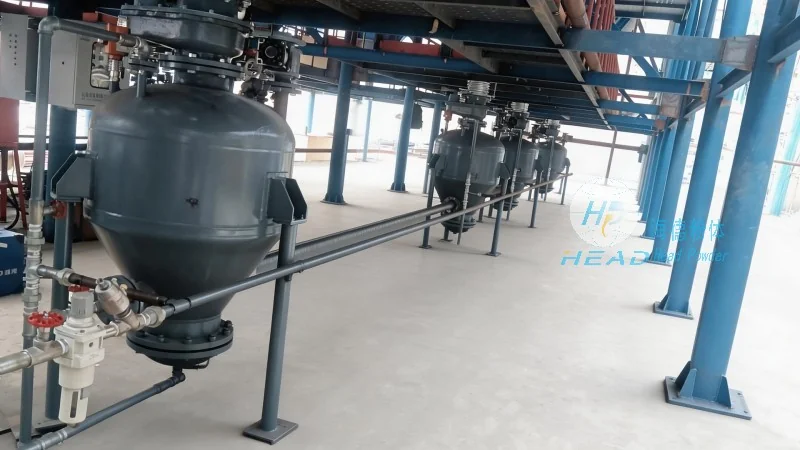
A typical barley powder pneumatic conveying system consists of several key components, each playing a vital role in the overall operation:
1. Feeder: The feeder is responsible for introducing the barley powder into the conveying pipeline. It can be a rotary valve, a star feeder, or a pressure feeder, depending on the system's requirements. The feeder ensures a consistent and controlled flow of powder into the system.
2. Conveying Pipeline: The pipeline is the main component that transports the powder. It is usually made of stainless steel or other corrosion-resistant materials and is designed to withstand the pressure and temperature of the conveying medium.
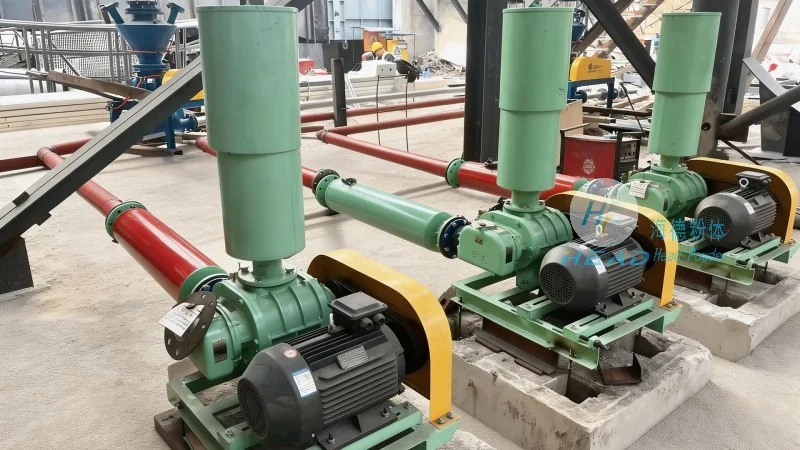
3. Compressor and Air Treatment Unit: The compressor generates the compressed air or gas needed to create the conveying airflow. The air treatment unit filters and dries the air to remove moisture and contaminants, ensuring the purity of the powder and the longevity of the equipment.
4. Separation and Collection System: At the receiving end, the system includes a separator and a collection hopper. The separator uses cyclonic or bag filter technology to separate the powder from the air, while the collection hopper stores the conveyed powder for further processing.
Advantages of Using Barley Powder Pneumatic Conveying Equipment
Implementing a barley powder pneumatic conveying system offers several advantages over traditional mechanical conveying methods:
1. Reduced Material Degradation: The lack of mechanical contact between the powder and the equipment minimizes the risk of particle breakage or degradation, preserving the quality of the barley powder.
2. Improved Hygiene and Cleanliness: The enclosed system prevents contamination from external sources, making it ideal for food and pharmaceutical applications where hygiene is paramount.
3. Lower Maintenance Costs: With fewer moving parts compared to mechanical conveyors, the pneumatic system requires less maintenance, reducing downtime and operational costs.
4. Flexibility and Scalability: The system can be easily scaled up or down to accommodate changing production volumes and can be integrated with other processing equipment for a seamless workflow.
Applications of Barley Powder Pneumatic Conveying Equipment
Barley powder pneumatic conveying equipment is widely used in various industries, particularly in the food processing sector. Some common applications include:
1. Food Processing: In breweries and food manufacturing plants, the equipment is used to transport barley powder for beer production, ensuring a consistent and hygienic supply of raw materials.
2. Pharmaceutical Manufacturing: The system is employed in the pharmaceutical industry to convey barley-based powders used in the production of dietary supplements or medicinal products, maintaining the purity and quality of the ingredients.
3. Chemical Processing: In chemical plants, the equipment is used to transport barley-derived powders or other fine chemicals, ensuring efficient and safe material handling.
Conclusion
Barley powder pneumatic conveying equipment, with its advanced design principles and efficient operation, has become an essential component in modern industrial processing. HeadPowder, with its expertise and commitment to quality, provides reliable and customized solutions that meet the diverse needs of clients. By understanding the core design principles and advantages of such systems, industries can enhance their operational efficiency, maintain product quality, and reduce costs.