

What is a Silica Sand Powder Pneumatic Conveying Equipment? And What Are Its Design Principles?
For industries that rely on the efficient handling of fine powder materials, such as silica sand, the choice of equipment can significantly impact operational efficiency and safety. Among the various solutions available, the silica sand powder pneumatic conveying equipment stands out as a reliable and effective method for transporting these materials. This article explores what this equipment is and delves into its core design principles, providing a comprehensive overview for those seeking to understand its functionality and benefits. The equipment is developed by Shandong HeadPowder Engineering Co., Ltd., a leading manufacturer based in China, specializing in engineering solutions for powder handling systems.
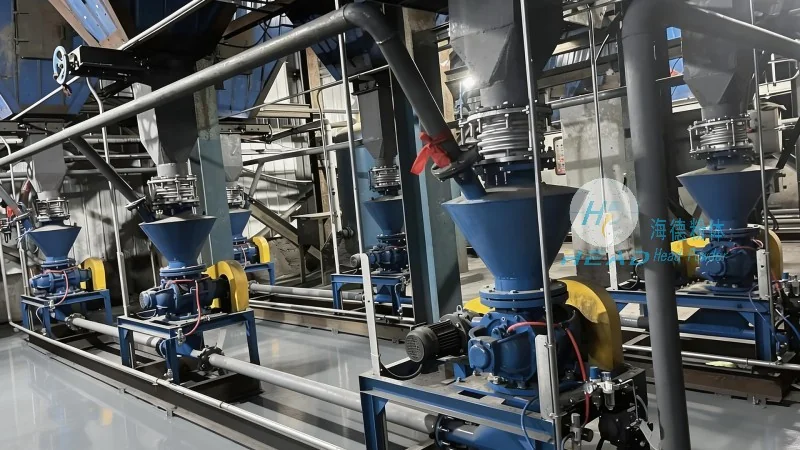
Introduction to Silica Sand Powder Pneumatic Conveying Equipment
Silica sand powder pneumatic conveying equipment is a specialized system engineered to transport fine powder materials, particularly silica sand, through a pressurized or vacuum air stream. This technology is widely utilized in sectors like foundry, glass manufacturing, and construction materials processing, where the need for dust-free, efficient material handling is paramount. The equipment operates by using air as the primary conveying medium, eliminating the need for mechanical components that might cause wear or contamination in traditional methods.
Core Design Principles of the Equipment
The fundamental design principle of this equipment revolves around the interaction between the powder material and the air stream. The system is typically composed of several key components, each playing a crucial role in the overall conveying process. The primary goal is to create a stable, consistent flow of silica sand while minimizing air resistance and ensuring efficient separation of the material from the air. The design aims to balance the pressure or vacuum levels, material feed rates, and pipeline dimensions to achieve optimal conveying performance.
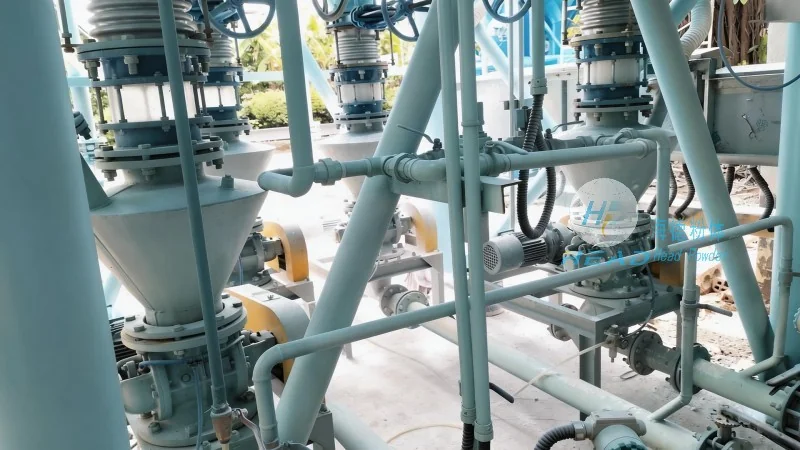
Key Components and Their Functions
1. Material Hopper: This component serves as the storage vessel for the silica sand, ensuring a continuous and uniform feed into the system. The hopper is designed to prevent material bridging or caking, which could disrupt the flow. It is usually equipped with a discharge valve or feeder to control the material release rate.
2. Feeder: The feeder is a critical component that regulates the flow of silica sand into the conveying pipeline. It ensures a consistent material feed rate, preventing overloading or underloading of the system. Common types include rotary valves, star feeders, or screw feeders, each chosen based on the specific characteristics of the silica sand and the required conveying capacity.
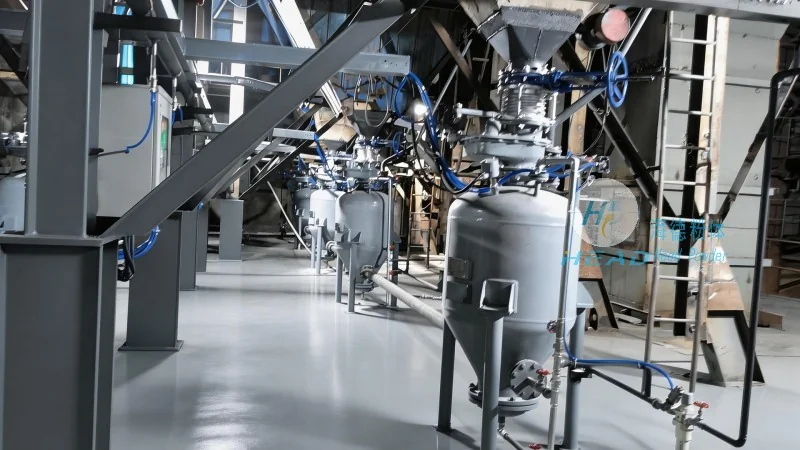
3. Air Compressor or Vacuum System: This component generates the necessary pressure or vacuum to move the silica sand through the pipeline. The choice between a positive pressure system (air compressor) and a negative pressure system (vacuum pump) depends on the application and the distance the material needs to be conveyed. Positive pressure systems are often preferred for longer distances or when transporting materials over obstacles.
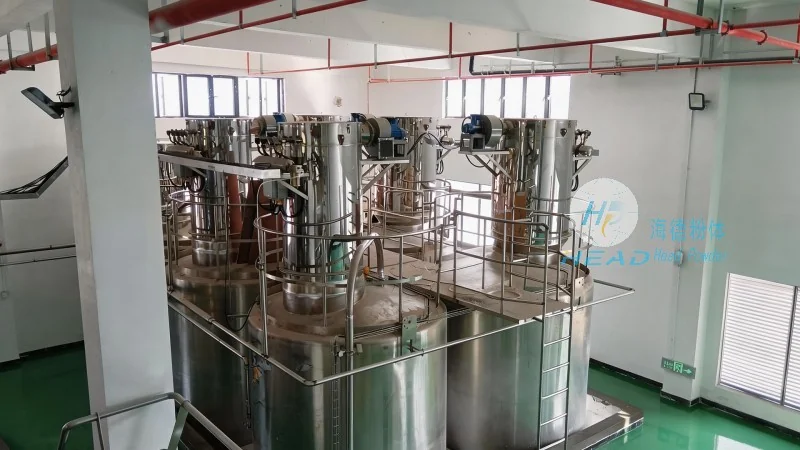
4. Conveying Pipeline: The pipeline is the main channel through which the silica sand-air mixture travels. It is typically made of materials like stainless steel or plastic, chosen for their resistance to corrosion and wear from the powder. The pipeline design considers factors such as diameter, length, and bends, as these affect the pressure drop and overall conveying efficiency.
5. Separator: The separator is responsible for separating the silica sand from the air stream after it has traveled through the pipeline. This is achieved through cyclonic action, where the air and sand are forced to rotate at high speeds, causing the heavier sand particles to move to the center and drop out. The separated sand is then collected in a discharge hopper, while the air is directed to a dust collection system.