

What is the Pneumatic Conveying of Ammonium Bicarbonate Powder? What Are the Design Principles?
Ammonium bicarbonate, a widely used chemical in various industrial applications, often requires efficient and reliable material handling solutions. Pneumatic conveying stands out as a preferred method for transporting this powder due to its ability to handle fine particles and minimize product contamination. This article explores the fundamentals of ammonium bicarbonate powder pneumatic conveying and the core design principles that ensure optimal performance.
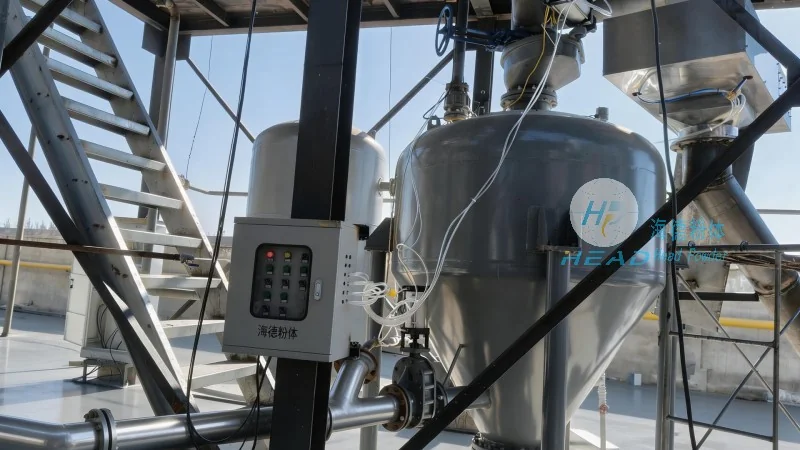
Overview of Ammonium Bicarbonate Powder Pneumatic Conveying
Pneumatic conveying is a technology that uses air or gas to transport bulk materials like powders, granules, or small particles through a pipeline system. In the case of ammonium bicarbonate, which is a fine, light powder with a relatively low bulk density, traditional mechanical conveying methods may struggle with issues such as caking, segregation, and high maintenance costs. Pneumatic systems offer a solution by utilizing air pressure to move the material, reducing the risk of product degradation and ensuring consistent flow rates.
Properties of Ammonium Bicarbonate and Challenges in Conveying
Ammonium bicarbonate (NH₄HCO₃) is characterized by its hygroscopic nature, which means it readily absorbs moisture from the air. This property can lead to clumping and reduced flowability, making it challenging to handle in conventional systems. Additionally, the powder has a relatively low bulk density (approximately 0.6-0.8 g/cm³), which increases the volume of material to be transported and requires higher air volumes for effective conveying. These characteristics necessitate specialized equipment and design approaches to maintain product quality and system efficiency.
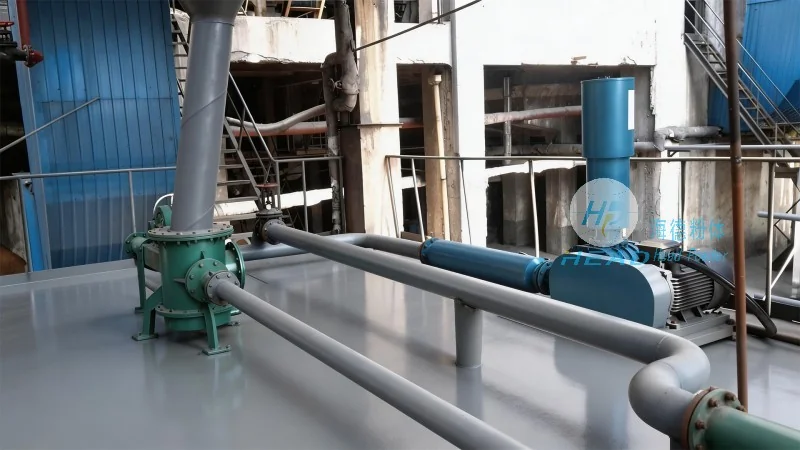
Design Principles for Ammonium Bicarbonate Powder Pneumatic Conveying by HeadPowder
Shandong HeadPowder Engineering Co., Ltd., a leading provider of material handling solutions, specializes in designing pneumatic conveying systems tailored to the unique requirements of ammonium bicarbonate. The company's approach is centered on several key design principles that address the challenges associated with this material.
Key Design Considerations for Efficient Conveying
First, the system design prioritizes the use of positive pressure or mixed pressure systems to ensure consistent air flow and prevent material backflow. Positive pressure systems, where air is supplied to the material inlet, are particularly effective for ammonium bicarbonate due to its light weight and tendency to settle. The pipeline layout is carefully planned to minimize bends and changes in direction, as sharp angles can cause particle degradation or blockages. HeadPowder engineers also incorporate features such as in-line mixers and cyclone separators to maintain product homogeneity and prevent segregation during transport.
Second, the selection of appropriate air velocities is critical. For ammonium bicarbonate, air velocities typically range from 20 to 30 m/s in positive pressure systems, ensuring that the powder particles are fully suspended and transported without excessive energy consumption. The system is equipped with pressure regulators and flow meters to monitor and control air pressure and volume, allowing for real-time adjustments based on operational conditions.
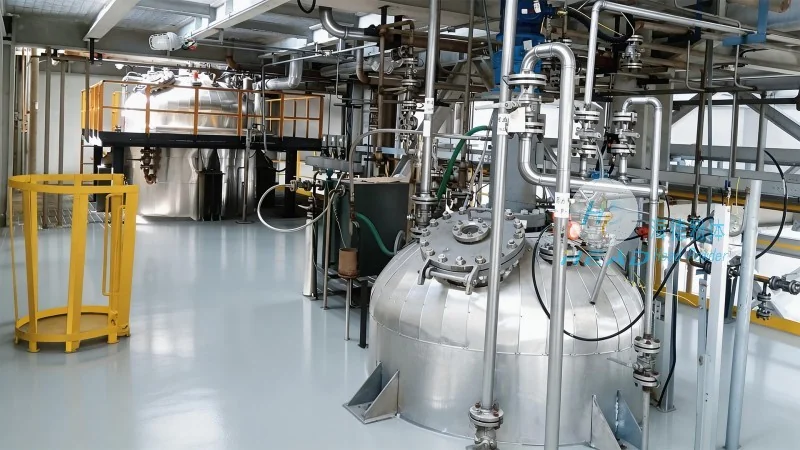
Practical Applications and Performance
HeadPowder's pneumatic conveying systems for ammonium bicarbonate have been successfully implemented in various industrial settings, including chemical manufacturing plants, fertilizer production facilities, and food processing operations. These systems demonstrate high reliability, with minimal downtime and low maintenance requirements. Field tests have shown that the systems maintain product moisture content within acceptable limits, preventing clumping and ensuring consistent quality of the transported material. The efficiency of the conveying process is also evident in reduced energy consumption compared to traditional mechanical methods, contributing to lower operational costs for clients.
In conclusion, the pneumatic conveying of ammonium bicarbonate powder is a sophisticated process that requires careful consideration of the material's properties and specialized design expertise. By adhering to proven principles and leveraging advanced engineering solutions, companies like Shandong HeadPowder Engineering Co., Ltd. can deliver systems that meet the demanding requirements of modern industrial applications, ensuring safe, efficient, and cost-effective material handling for ammonium bicarbonate.