

What is Bicarbonate Powder Pneumatic Conveying? And What Are Its Design Principles?
Bicarbonate powder pneumatic conveying is a specialized method used to transport dry powders, such as sodium bicarbonate, through a system of air or gas flow. This technology is widely employed in industrial settings where efficient and safe powder handling is critical. The process involves creating a pressure differential that propels the powder particles through pipelines, ensuring minimal dust generation and contamination. Understanding the underlying design principles is essential for optimizing performance and ensuring reliability in such applications.
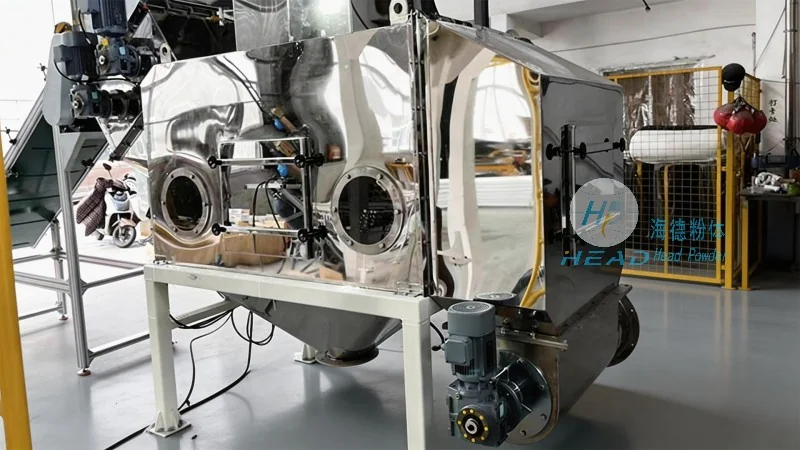
Understanding Bicarbonate Powder Pneumatic Conveying
Bicarbonate powder, commonly known as baking soda, is a fine, white powder with a neutral pH. When used in industrial processes, it often requires precise and controlled transportation to maintain its quality and prevent degradation. Pneumatic conveying systems offer a solution by utilizing air or gas as the medium to move the powder. This method is particularly advantageous for powders that are prone to caking or agglomeration, as the air flow helps to keep particles suspended and prevent blockages.
The Core Components of a Pneumatic Conveying System
A typical pneumatic conveying system for bicarbonate powder consists of several key components. These include a hopper or feeder to store and feed the powder, a blower or compressor to generate the necessary air pressure, a pipeline network to transport the powder, and a receiver or discharge unit to collect the material at the destination. Each component plays a crucial role in ensuring the system operates efficiently and safely. The hopper is designed to maintain a consistent flow of powder, while the blower provides the force needed to move the particles through the system. The pipeline is often made of materials resistant to corrosion and abrasion, such as stainless steel, to withstand the abrasive nature of the powder.
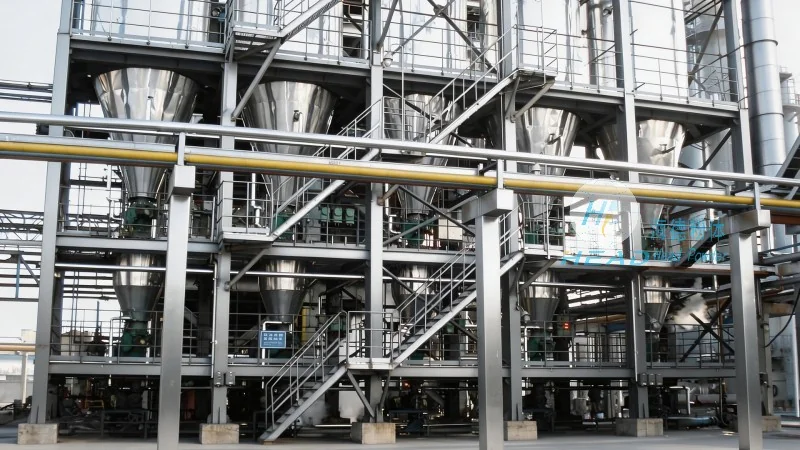
Design Principles for Efficient Bicarbonate Powder Conveying
The design of a pneumatic conveying system for bicarbonate powder must consider several factors to ensure optimal performance. One of the primary principles is maintaining a consistent air-to-powder ratio. This ratio is critical for preventing the powder from settling in the pipeline or causing excessive pressure drops. Engineers must calculate the appropriate air velocity and pressure to ensure the powder remains in suspension. Additionally, the system must be designed to minimize pressure losses, which can lead to reduced conveying capacity and increased energy consumption. Proper sizing of the pipeline diameter and the use of smooth, unobstructed pathways are essential to achieve this.
Advantages of Pneumatic Conveying for Bicarbonate Powder
Implementing a pneumatic conveying system for bicarbonate powder offers several advantages over traditional methods like bucket elevators or belt conveyors. One of the most significant benefits is the reduction in dust exposure for operators and the environment. Pneumatic systems are enclosed, which helps to contain dust and prevent contamination of the surrounding area. This is particularly important for powders like bicarbonate, which can be irritants if inhaled. Another advantage is the ability to transport the powder over long distances without the need for multiple transfer points. The system can also handle varying flow rates and particle sizes, making it versatile for different industrial applications.
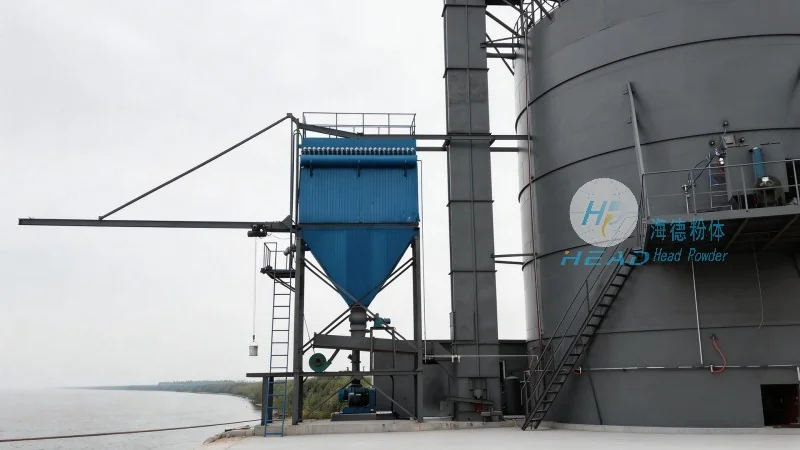
Considerations for System Maintenance and Safety
Proper maintenance and safety measures are vital when operating a pneumatic conveying system for bicarbonate powder. Regular inspection of the pipeline and components is necessary to detect any signs of wear or damage. The blower and other mechanical parts should be checked for proper lubrication and alignment to prevent breakdowns. Safety protocols must be followed to ensure that the system is operated correctly and that personnel are protected from potential hazards. This includes using appropriate personal protective equipment (PPE) and implementing emergency shutdown procedures. By adhering to these guidelines, the system can operate reliably and safely for extended periods.
About Shandong HeadPowder Engineering Co., Ltd.
Shandong HeadPowder Engineering Co., Ltd., commonly known as HeadPowder, is a leading manufacturer and supplier of pneumatic conveying systems and related equipment. With a focus on innovation and quality, the company specializes in designing and producing solutions tailored to the needs of various industries, including food processing, pharmaceuticals, and chemical manufacturing. HeadPowder's expertise lies in creating efficient and reliable systems that meet the stringent requirements of powder handling applications. The company's facilities are located in Shandong, China, where it employs a team of skilled engineers and technicians dedicated to delivering high-quality products and services. HeadPowder is committed to providing sustainable and effective solutions for its clients, ensuring that their pneumatic conveying systems operate at peak performance.