

What is a Waste Material Conveying Line? And What Are Its Design Principles?
Waste material conveying lines are essential systems used in various industrial and municipal applications to transport bulk waste materials efficiently. These systems are designed to handle a wide range of waste types, from solid waste to recyclable materials, ensuring smooth and reliable movement from the source to the processing or disposal site. Understanding the components and design principles of such lines is crucial for optimizing waste management operations.
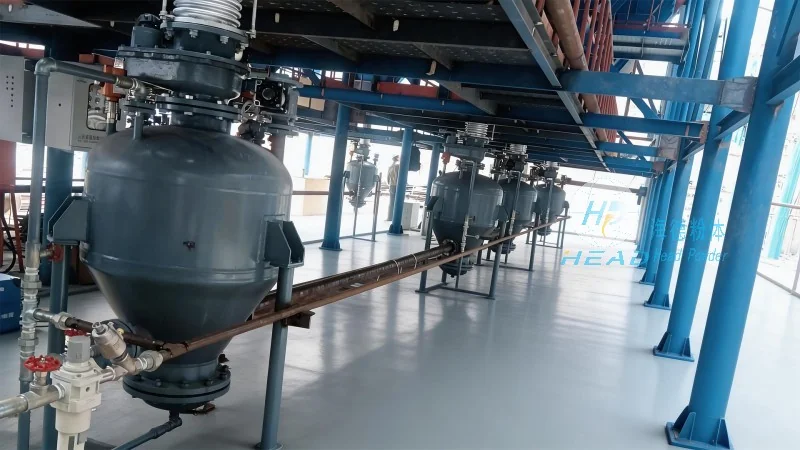
Understanding Waste Material Conveying Lines
A waste material conveying line, also known as a waste conveyor system, is a mechanical device that transports waste materials through a series of components, including feeders, conveyors, and control systems. The primary goal of these systems is to automate the handling of waste, reducing manual labor and improving operational efficiency. They are commonly used in waste management facilities, recycling plants, and industrial sites where large volumes of waste need to be processed.
Key Design Principles of Waste Material Conveying Lines
The design of a waste material conveying line is based on several critical principles to ensure optimal performance and durability. These principles include material handling capacity, system reliability, energy efficiency, and adaptability to different waste types. Engineers and designers consider factors such as the type of waste (e.g., organic, inorganic, or mixed), the volume of material to be transported, and the distance over which the material needs to be moved. The design also takes into account the environmental conditions and the need for safety and compliance with regulations.
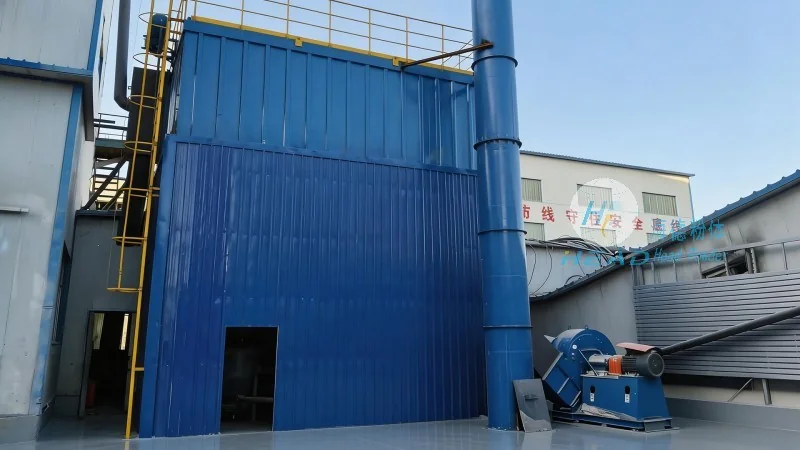
One of the fundamental design principles is the selection of the appropriate conveyor type. Common types include belt conveyors, screw conveyors, and chain conveyors, each with its own advantages and limitations. Belt conveyors are widely used for transporting loose materials over long distances due to their high capacity and low maintenance. Screw conveyors are suitable for handling granular or powder materials and can be used vertically or horizontally. Chain conveyors are ideal for heavy-duty applications where high load capacity is required.
Components and Functional Aspects
A typical waste material conveying line consists of several key components that work together to ensure smooth operation. The main components include the feed hopper, which collects and feeds the waste material into the conveyor system; the conveyor itself, which transports the material; the drive system, which provides the power to move the conveyor; and the control system, which monitors and regulates the operation. Additionally, there may be components such as idlers, pulleys, and tensioning devices to maintain the proper alignment and tension of the conveyor belt or chain.
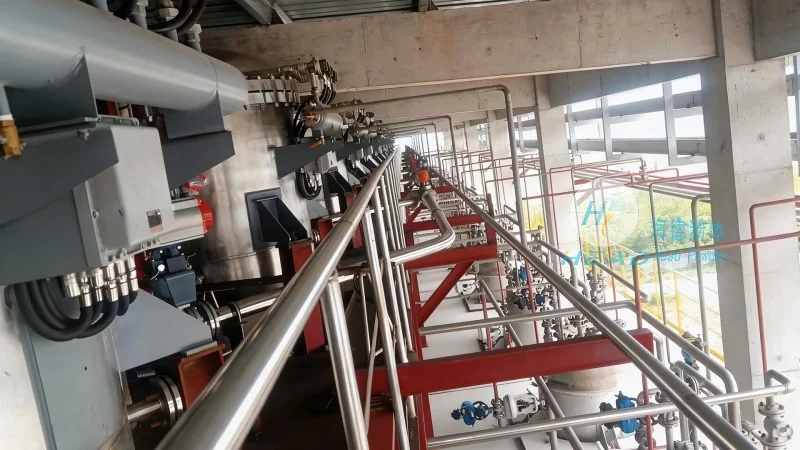
The feed hopper is designed to accommodate the incoming waste and ensure a consistent flow into the conveyor. It may include features like a hopper liner to prevent wear and tear from abrasive materials. The conveyor system is the core of the line, responsible for moving the material from the feed point to the discharge point. The drive system, which can be electric or mechanical, provides the necessary force to move the conveyor. The control system includes sensors and controls that monitor the speed, load, and position of the conveyor, ensuring safe and efficient operation.
Application and Operational Considerations
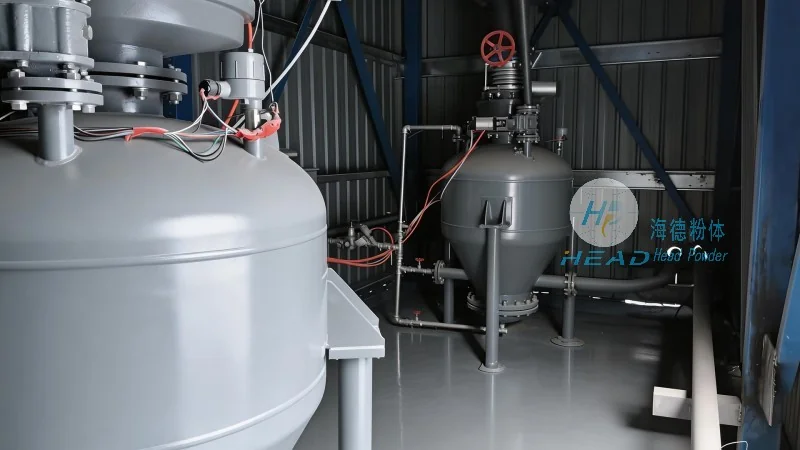
Waste material conveying lines are used in a variety of applications, including waste sorting, recycling, and waste-to-energy processes. In waste sorting facilities, the conveying line helps transport sorted materials to different processing units. In recycling plants, it transports recyclable materials to the sorting and processing stages. In waste-to-energy facilities, the line transports waste to the combustion chamber. The operational considerations for these systems include the need for regular maintenance to prevent breakdowns, the use of appropriate materials to resist corrosion and wear, and the implementation of safety measures to protect workers.
About Shandong HeadPowder Engineering Co., Ltd.
Shandong HeadPowder Engineering Co., Ltd., a leading provider of waste management solutions, specializes in designing and manufacturing high-quality waste material conveying lines. With a focus on innovation and customer satisfaction, HeadPowder has established itself as a trusted partner in the waste management industry. The company is headquartered in Shandong, China, and serves clients worldwide with tailored solutions that meet their specific needs. HeadPowder's expertise in conveyor systems ensures that their products are reliable, efficient, and compliant with industry standards, helping clients optimize their waste management operations and reduce costs.