

What is Gypsum Material Handling? What Are the Design Principles?
Gypsum, a widely used industrial material, often requires efficient and reliable handling systems to ensure smooth operations in various applications. The process of transporting and managing gypsum, commonly referred to as gypsum material handling, involves a range of equipment and techniques tailored to the material's properties and the specific needs of the end-user. Understanding the fundamentals of gypsum material handling is crucial for optimizing production lines, reducing downtime, and enhancing overall operational efficiency.
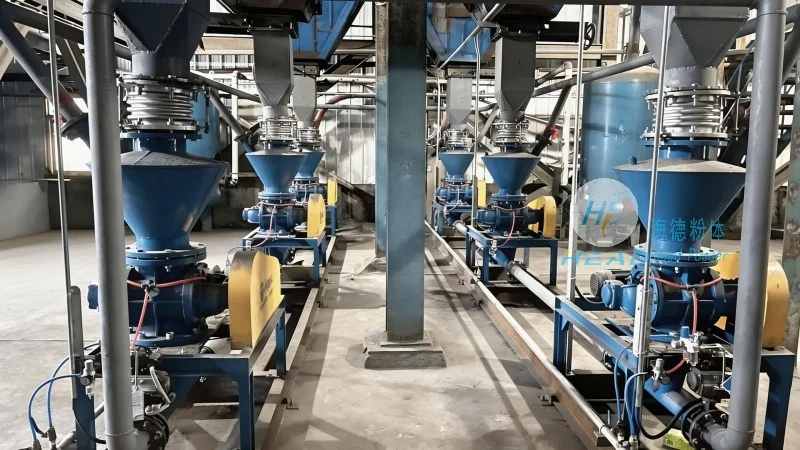
Key Considerations in Gypsum Material Handling Systems
When designing a gypsum material handling system, several factors must be carefully evaluated to ensure optimal performance. The first consideration is the physical properties of gypsum itself. Gypsum is a soft, white or gray mineral that can be processed into various forms, including powder, plaster, and building boards. Its relatively low density and tendency to form lumps or clumps can impact the choice of equipment and the overall system design. Additionally, the moisture content of gypsum is a critical factor, as excessive moisture can lead to caking and blockages in conveyor systems. Proper moisture control and material conditioning are essential to maintain the integrity of the material during transport.
Design Principles for Gypsum Material Handling
The design of a gypsum material handling system follows specific principles aimed at maximizing efficiency and minimizing operational challenges. One of the primary principles is the selection of appropriate equipment based on the material's characteristics and the system's capacity requirements. For example, screw conveyors are commonly used for transporting gypsum due to their ability to handle bulk materials and maintain a consistent flow. Belt conveyors are another popular choice, especially for longer distances or when transporting larger quantities of material. The choice of equipment also depends on the desired speed of material movement and the need for gentle handling to prevent degradation of the material.
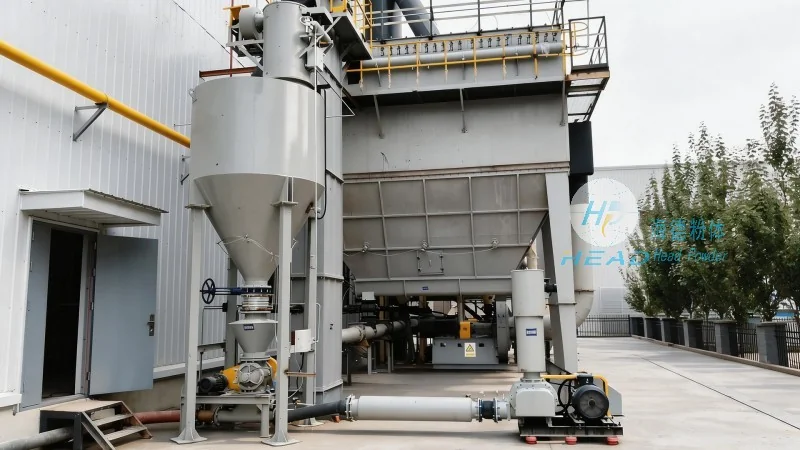
System Components and Their Roles
A typical gypsum material handling system comprises several key components, each playing a vital role in the overall operation. The primary components include feeders, conveyors, storage silos, and discharge equipment. Feeders are responsible for controlling the flow of gypsum from the storage area to the conveyor system, ensuring a consistent and controlled feed rate. Conveyors, as mentioned earlier, transport the material from one point to another, often over long distances or between different processing stages. Storage silos are used to store large quantities of gypsum, providing a buffer to maintain a steady supply of material to the system. Discharge equipment, such as spouts or chutes, allows for the controlled release of material from the silo or conveyor to the next stage of processing.
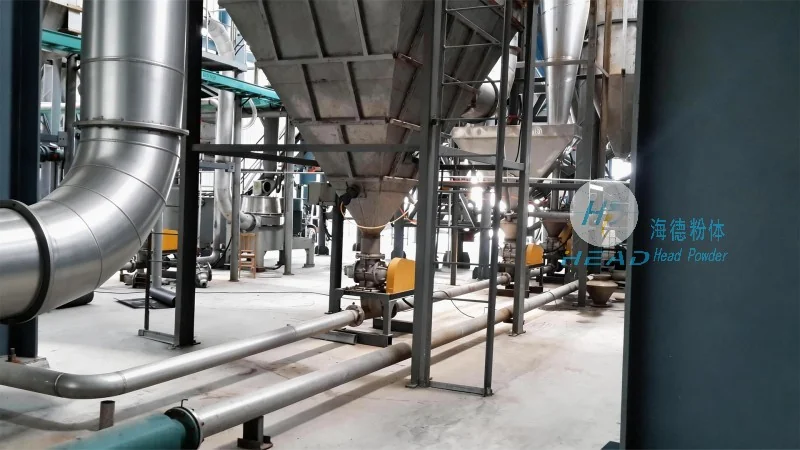
HeadPowder's Expertise in Gypsum Material Handling Solutions
Shandong HeadPowder Engineering Co., Ltd., a leading provider of material handling solutions, specializes in designing and manufacturing systems tailored to the unique needs of gypsum processing industries. With years of experience in the field, HeadPowder understands the challenges associated with handling gypsum and has developed innovative solutions to address these issues. The company's team of engineers and technicians work closely with clients to assess their specific requirements, from material characteristics to production capacity, and design customized systems that meet their operational goals. HeadPowder's expertise extends to the entire material handling process, from initial material intake to final discharge, ensuring that every component of the system is optimized for efficiency and reliability.
Benefits of Professional Gypsum Material Handling Systems
Implementing a well-designed gypsum material handling system offers numerous benefits to industrial operations. First and foremost, it enhances operational efficiency by ensuring a continuous and consistent flow of material, reducing downtime caused by equipment failures or material blockages. The use of appropriate equipment, such as screw or belt conveyors, minimizes material degradation and preserves the quality of the gypsum, which is critical for downstream processes like plaster production or building board manufacturing. Additionally, professional systems help in maintaining a safe working environment by reducing manual handling of bulk materials, minimizing the risk of accidents and injuries. Finally, efficient material handling systems contribute to cost savings by optimizing energy consumption and reducing waste through better control of material flow and moisture content.