

What is Rice Husk Powder Material Handling? And What Are Its Design Principles?
Understanding the material handling of rice husk powder is crucial for industries that process this byproduct efficiently. This article delves into the core concepts of rice husk powder material handling and the underlying design principles that ensure optimal performance in processing systems.

Introduction to Rice Husk Powder Material Handling
Rice husk powder, a byproduct of rice milling, is widely used in various applications such as fuel, animal feed, and industrial chemicals. Efficient material handling of this fine powder is essential to maintain product quality, reduce operational costs, and enhance overall system reliability. The process involves transporting, storing, and processing the powder through a series of equipment designed to handle its unique properties.
The Role of Material Handling in Rice Husk Processing
Effective material handling systems for rice husk powder play a pivotal role in the entire production chain. From the initial collection of the husk to the final packaging of the powder, each step requires specialized equipment to manage the powder's light weight, low bulk density, and tendency to create dust. Proper handling minimizes the risk of dust explosions, ensures consistent product quality, and optimizes the flow of materials through the processing plant.
Key Design Principles for Rice Husk Powder Handling Systems
The design of rice husk powder handling systems is governed by several critical principles that address the material's physical characteristics and operational requirements. These principles include:
- Containment and Dust Control: Given the fine nature of rice husk powder, dust generation is a significant concern. Design principles emphasize the use of sealed systems, proper ventilation, and dust collection equipment to prevent airborne dust and ensure a safe working environment.
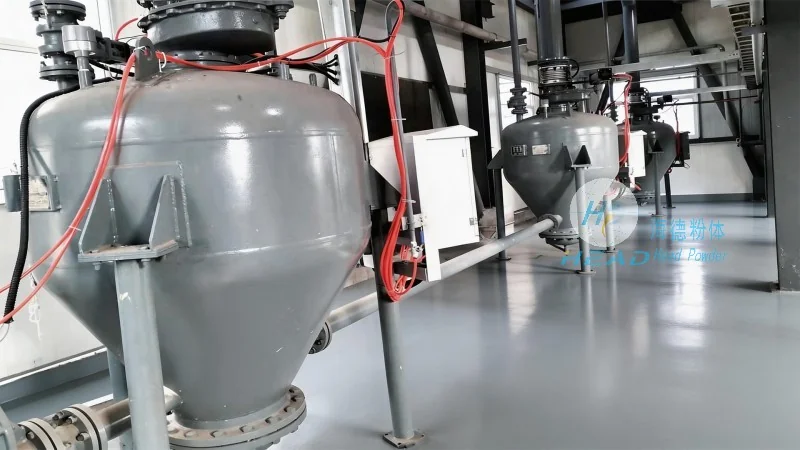
- Equipment Selection for Fine Powders: The choice of equipment, such as conveyors, silos, and storage bins, is critical. Screw conveyors, pneumatic conveyors, and bucket elevators are commonly used due to their ability to handle fine powders without causing blockages or excessive wear.
- Preventing Agglomeration and Caking: Rice husk powder can agglomerate or cake under certain conditions, leading to system inefficiencies. Design principles include maintaining proper moisture levels, using anti-caking agents, and ensuring adequate aeration in storage and handling equipment.
- System Integration and Flow Management: Efficient material handling requires seamless integration of equipment to maintain a smooth flow of material. This involves proper sizing of components, appropriate speed control, and the use of sensors to monitor and adjust the system in real-time.
Components of a Typical Rice Husk Powder Handling System
A typical rice husk powder handling system consists of several key components that work in tandem to process the material. These components include:
- Collection and Pre-processing: The first step involves collecting the rice husk and possibly drying or cleaning it to remove impurities. This may involve using screens, air classifiers, or other separation equipment.
- Conveying and Transport: After pre-processing, the powder is conveyed to storage or processing units. Pneumatic conveyors are often preferred for fine powders due to their ability to transport material over long distances without the need for multiple transfer points.
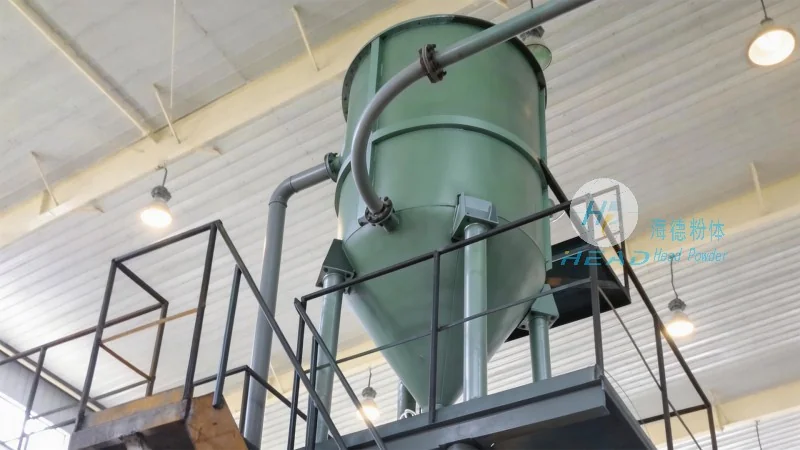
- Storage and Conditioning: Storage silos or bins are used to hold the powder, often with aeration systems to maintain moisture levels and prevent caking. The storage system may also include level sensors to monitor inventory levels.
- Processing and Packaging: The final stage involves processing the powder for its intended use, such as grinding or blending, followed by packaging for distribution. This may include additional conveying, mixing, or screening equipment.
Challenges in Rice Husk Powder Material Handling
Handling rice husk powder presents several challenges that must be addressed through thoughtful design and maintenance. These challenges include:
- Dust Explosion Hazards: Fine powders can create explosive mixtures with air. Design principles must incorporate explosion-proof equipment, proper ventilation, and dust suppression systems to mitigate this risk.
- Equipment Wear and Maintenance: The abrasive nature of rice husk powder can cause wear on conveyor belts, bearings, and other components. Regular maintenance and the use of wear-resistant materials are essential to extend equipment life and reduce downtime.
- Flow Instability: Fine powders can exhibit flow characteristics that are different from bulk materials, leading to uneven flow or bridging in silos and hoppers. Design principles include using appropriate hopper angles, air knives, or vibrators to ensure smooth flow.
Conclusion and Company Overview
Efficient material handling of rice husk powder is a complex but essential process that requires careful consideration of the material's properties and the design of the handling system. By adhering to key design principles and using appropriate equipment, industries can achieve optimal performance, safety, and cost-effectiveness in their processing operations.
Shandong HeadPowder Engineering Co., Ltd., a leading provider of material handling solutions, specializes in designing and manufacturing systems tailored to the unique needs of rice husk powder processing. With years of experience and a commitment to quality, HeadPowder offers comprehensive solutions that address the challenges of handling this valuable byproduct. Based in Shandong, China, HeadPowder serves clients globally, providing reliable and efficient material handling systems that enhance productivity and safety in rice husk processing facilities.