

What is Iron Concentrate Material Handling? And Its Design Principles?
Iron concentrate material handling is a critical process in the mining and processing industry, involving the efficient transport of iron ore concentrate from extraction sites to processing facilities or storage areas. The design of such systems requires careful consideration of various factors to ensure optimal performance, safety, and cost-effectiveness. This article delves into the fundamental principles behind iron concentrate material handling systems, highlighting key components and design strategies.
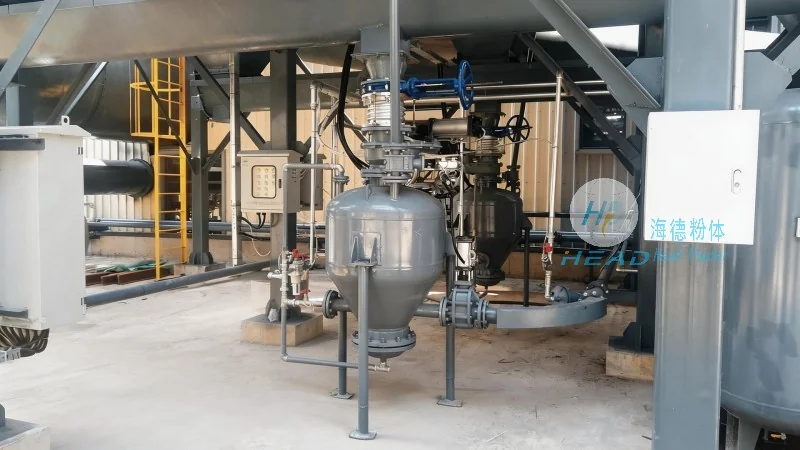
Understanding Iron Concentrate Material Handling
Iron concentrate, a high-grade iron ore product obtained through beneficiation processes, needs to be transported efficiently to support downstream operations such as pelletizing, sintering, or direct use in steel production. The material handling system for iron concentrate typically involves a combination of equipment like conveyors, elevators, and storage silos, tailored to the specific characteristics of the concentrate, including its particle size, moisture content, and bulk density. Effective material handling not only enhances operational efficiency but also minimizes material loss and environmental impact.
Key Design Principles for Iron Concentrate Handling Systems
The design of iron concentrate material handling systems is guided by several core principles aimed at maximizing reliability and performance. First, the system must be tailored to the physical properties of the iron concentrate. For instance, the choice of conveyor type—such as belt conveyors, screw conveyors, or bucket elevators—depends on factors like the material's abrasiveness and flowability. Belt conveyors are commonly used for long-distance transport due to their high capacity and low maintenance requirements, while screw conveyors are suitable for vertical or horizontal transport in confined spaces. The selection of equipment is also influenced by the need to minimize material degradation, as iron concentrate can be sensitive to impact and friction during handling.
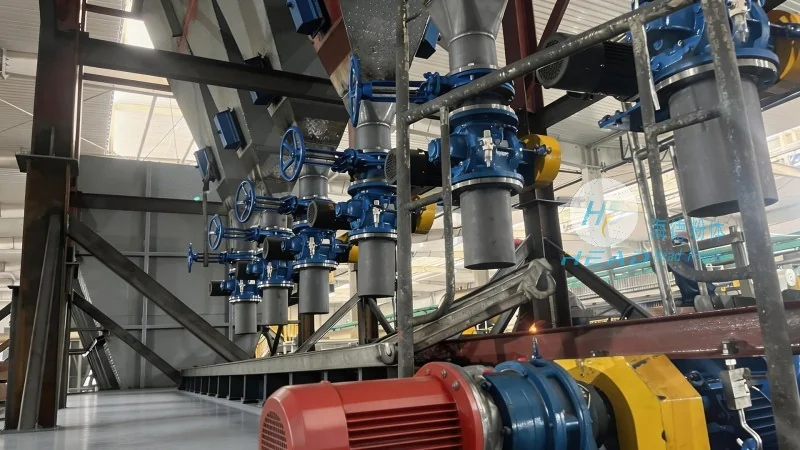
Second, the system design emphasizes safety and operational stability. This includes incorporating features like overload protection, emergency stop mechanisms, and proper sealing to prevent dust emissions and material spillage. The layout of the handling system is carefully planned to avoid bottlenecks and ensure smooth material flow, with considerations for space constraints and integration with existing infrastructure. Additionally, the design must account for environmental regulations, such as dust control measures, to comply with local and international standards.
Components of an Iron Concentrate Material Handling System
An iron concentrate material handling system typically consists of several interconnected components that work in harmony to achieve efficient transport. The primary components include feeders, conveyors, elevators, storage silos, and discharge systems. Feeders, such as belt feeders or rotary valves, regulate the flow of iron concentrate from storage or processing areas to the conveyor system, ensuring consistent material delivery. Conveyors, often equipped with special belts or liners to handle abrasive materials, transport the concentrate over long distances or between different levels. Elevators, including bucket elevators or vertical conveyors, are used to lift the material vertically, overcoming height differences in the processing plant. Storage silos or hoppers are employed to temporarily store the concentrate, providing buffer capacity and enabling continuous operation even during maintenance or fluctuations in production.
Discharge systems, such as spouts or chutes, direct the material from the conveyor or silo to the next processing stage, ensuring smooth and controlled release. Each component is designed to withstand the harsh conditions of iron concentrate handling, including high abrasion, moisture, and temperature variations. The integration of these components into a cohesive system requires meticulous planning to ensure seamless material flow and minimal downtime.
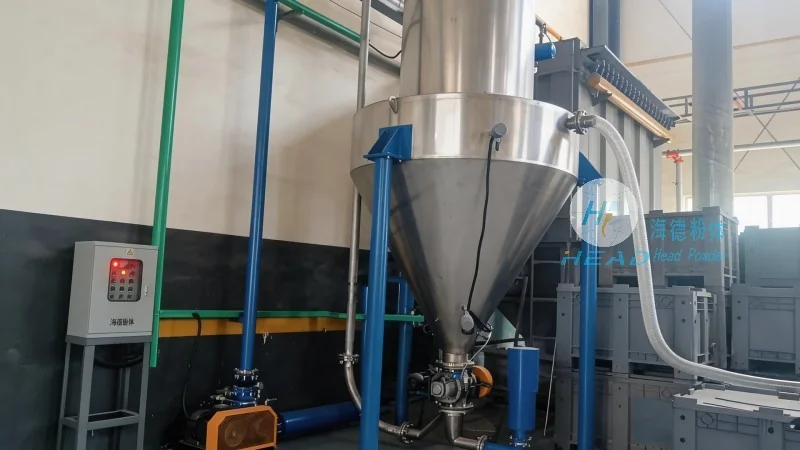
Design Considerations for Long-Term Performance
Long-term performance and durability are critical considerations in the design of iron concentrate material handling systems. Materials used in the construction of equipment, such as conveyor belts, pulleys, and hoppers, must be resistant to wear and corrosion from the iron concentrate. For example, conveyor belts made of high-strength synthetic materials with reinforced layers are commonly used to handle abrasive iron ore. Similarly, hoppers and chutes are often lined with wear-resistant materials like rubber or steel to extend their service life and reduce maintenance costs.
Regular maintenance and monitoring are also essential to ensure the system operates at optimal levels. This includes routine inspections of conveyor belts for wear, tension adjustments, and cleaning of equipment to prevent material buildup and blockages. The design of the system should also allow for easy access to components for maintenance, reducing downtime and improving overall efficiency. Additionally, the use of advanced control systems, such as PLC (Programmable Logic Controller) or SCADA (Supervisory Control and Data Acquisition) systems, enables real-time monitoring and automation of the material handling process, enhancing operational control and reducing human error.
Case Study: HeadPowder's Iron Concentrate Handling Solutions
Shandong HeadPowder Engineering Co., Ltd., a leading provider of engineering solutions for the mining and processing industry, specializes in designing and implementing iron concentrate material handling systems tailored to client needs. With years of experience in the field, HeadPowder has developed a comprehensive approach to material handling, focusing on efficiency, reliability, and sustainability. The company's solutions include custom-designed conveyor systems, storage silos, and automation controls that meet the specific requirements of iron concentrate processing plants.
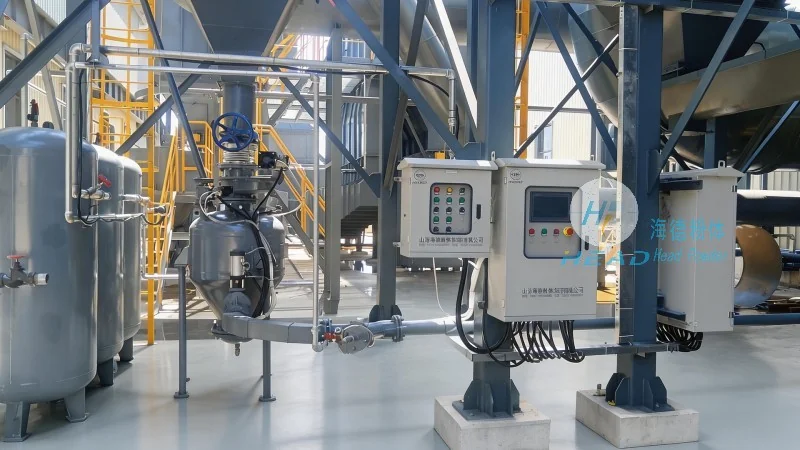
For instance, HeadPowder has successfully implemented a belt conveyor system for a large iron ore processing plant in Shandong, China. The system, designed to handle high volumes of iron concentrate over long distances, features advanced control technology and wear-resistant components to ensure consistent performance. The project involved careful analysis of the material's physical properties, integration with existing plant infrastructure, and adherence to safety and environmental regulations. The result was a highly efficient material handling system that significantly improved the plant's production capacity and reduced operational costs.
HeadPowder's commitment to quality and innovation is reflected in its use of cutting-edge design tools and materials. The company works closely with clients to understand their unique challenges and develop tailored solutions that address specific operational needs. By leveraging its expertise in material handling and engineering, HeadPowder helps clients optimize their iron concentrate processing operations, ensuring long-term success in the competitive mining industry.