

What is Dry Sludge Material Handling? And What Are Its Design Principles?
Understanding dry sludge material handling is crucial for industries dealing with waste management and material processing. This process involves the efficient transportation of dry, solid waste materials, often requiring specialized equipment and engineering solutions to ensure safe and effective operation. The design principles behind such systems are critical in optimizing performance, minimizing operational costs, and adhering to environmental regulations.
What is Dry Sludge Material Handling?
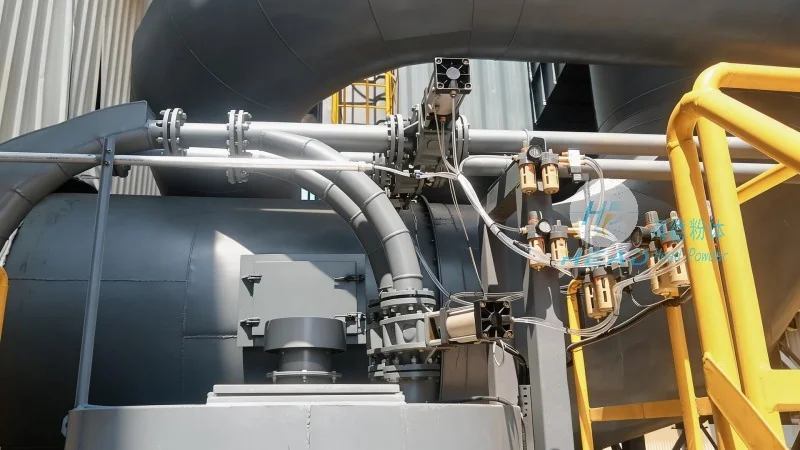
Dry sludge material handling refers to the methods and technologies used to transport, store, and manage dry, solid waste materials, typically arising from industrial processes or wastewater treatment facilities. Unlike wet sludge, which is more fluid and requires different handling approaches, dry sludge is characterized by its lower moisture content and higher solid concentration, making it more suitable for certain types of material handling equipment. The primary goal of dry sludge handling is to facilitate the removal of waste from its source, transport it to disposal or treatment sites, and potentially recover valuable resources from the material.
Key Design Principles for Dry Sludge Handling Systems
The design of dry sludge material handling systems is guided by several fundamental principles that ensure efficiency, reliability, and safety. These principles include: material flow optimization, equipment selection based on material properties, and adherence to safety and environmental standards. Material flow optimization involves analyzing the path of the sludge from its generation point to its final destination, minimizing the number of handling steps and reducing energy consumption. Equipment selection is critical, as different types of equipment—such as conveyors, elevators, and bulk handling systems—are chosen based on the physical characteristics of the dry sludge, including its particle size, density, and moisture content. Additionally, safety and environmental considerations are paramount, with designs incorporating features like dust control, noise reduction, and compliance with local regulations to protect both personnel and the environment.
Components of a Typical Dry Sludge Handling System
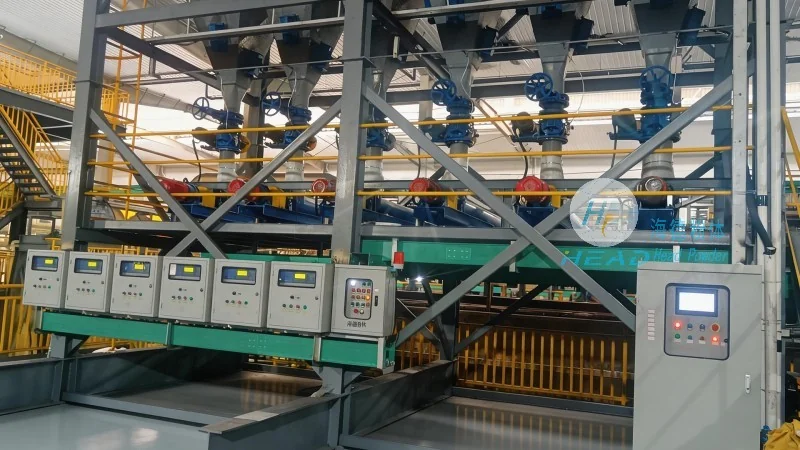
A typical dry sludge handling system comprises several key components that work in tandem to achieve efficient material transport. These components may include: feeders or hoppers to control the flow of sludge into the system, conveyors (such as belt conveyors or screw conveyors) to move the material horizontally or vertically, and storage silos or bins for temporary storage. In some cases, additional equipment like pneumatic conveyors or bucket elevators may be used to handle materials with specific characteristics. Each component is designed to handle the unique challenges of dry sludge, ensuring that the material is moved without degradation or loss of quality. For example, belt conveyors are commonly used for horizontal transport due to their ability to handle large volumes of material with minimal maintenance, while screw conveyors are effective for vertical lifting due to their compact design and ability to handle materials with varying moisture levels.
Role of Engineering Companies in Dry Sludge Handling Solutions
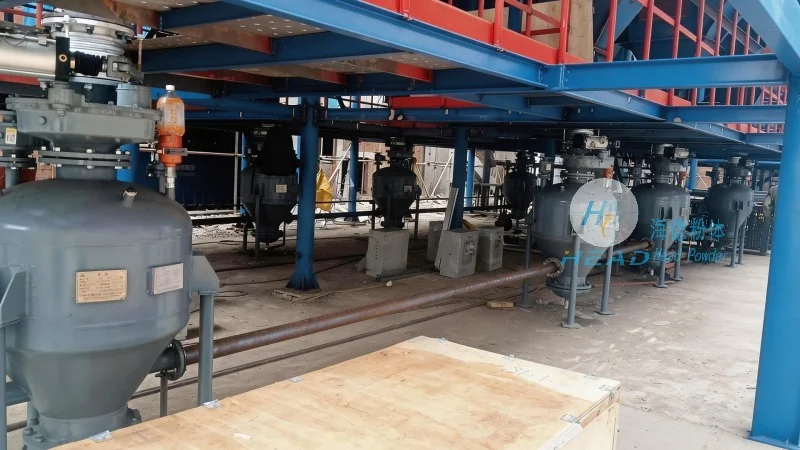
Engineering companies play a vital role in the design and implementation of dry sludge handling systems. These companies, such as Shandong HeadPowder Engineering Co., Ltd., specialize in providing customized solutions tailored to the specific needs of their clients. With a deep understanding of material handling principles and industry standards, these companies work closely with clients to assess their requirements, develop comprehensive system designs, and ensure the successful installation and operation of the equipment. The expertise of such companies extends beyond equipment selection to include process optimization, maintenance planning, and compliance with regulatory requirements. By leveraging their experience and technical knowledge, engineering firms help clients achieve efficient, cost-effective, and environmentally responsible dry sludge handling operations.
Benefits of Effective Dry Sludge Material Handling
Implementing an effective dry sludge material handling system offers numerous benefits to industries. These benefits include improved operational efficiency, reduced labor costs, and enhanced safety for personnel. By streamlining the handling process, companies can minimize the time and resources required to transport sludge, leading to increased productivity and lower operational expenses. Additionally, effective handling systems help prevent material degradation, ensuring that the sludge remains in optimal condition for disposal or further treatment. From an environmental perspective, proper handling reduces the risk of spills or emissions, contributing to a cleaner and safer working environment. Overall, a well-designed dry sludge handling system is essential for maintaining the integrity of the material and supporting sustainable waste management practices.