

What is Synthetic Fiber Material Handling? And What Are Its Design Principles?
Synthetic fiber material handling encompasses the entire workflow of moving synthetic fibers from raw material storage to final processing stages. These fibers, including polyester, nylon, acrylic, and other polymers, are integral to modern manufacturing due to their exceptional strength, flexibility, and resistance to environmental factors. The goal of material handling in this context is to ensure that fibers are transported efficiently, safely, and without degradation. This involves a combination of equipment such as conveyors, elevators, and storage systems, each designed to address specific challenges like bulk handling, dust control, and material compatibility. Effective material handling not only improves production speed but also reduces operational costs by minimizing labor and equipment wear. The design of these systems must align with the physical properties of synthetic fibers, which can vary significantly in terms of length, diameter, and moisture content. For example, short fibers may require different handling methods compared to long, continuous fibers, highlighting the importance of tailored solutions.
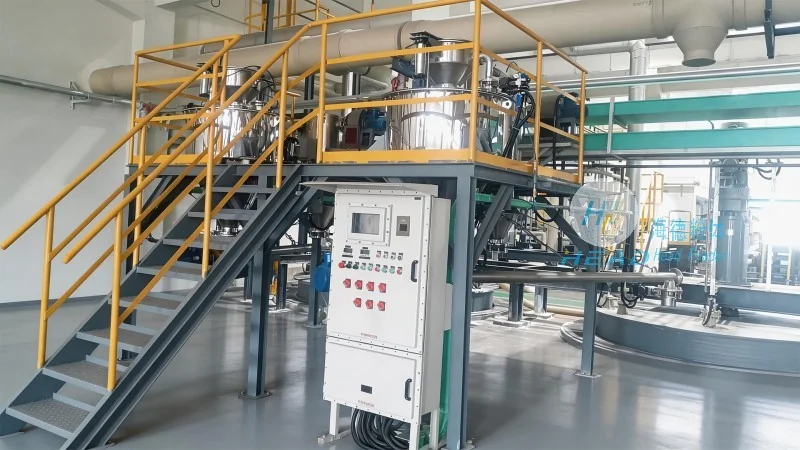
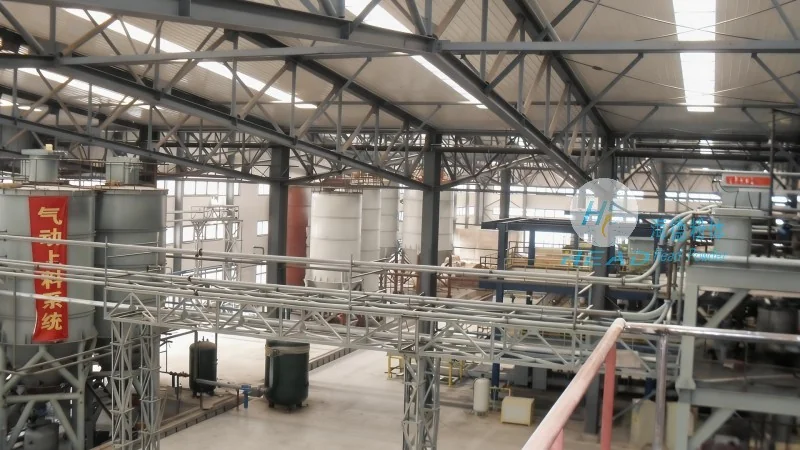
Key Design Principles for Synthetic Fiber Material Handling Systems
The design of synthetic fiber material handling systems is governed by several critical principles that ensure optimal performance and longevity. First, material compatibility is paramount—components such as conveyor belts, hoppers, and storage bins must be made from materials that do not react with or degrade synthetic fibers. Common choices include stainless steel, food-grade plastics, and specialized coatings that resist chemical exposure. Second, contamination control is a non-negotiable requirement, as synthetic fibers are highly sensitive to dust, moisture, and foreign particles. This is achieved through sealed systems, filtration units, and cleanroom environments that prevent cross-contamination. Third, energy efficiency is a key design consideration, with systems optimized to minimize power consumption while maintaining high throughput. This often involves variable speed drives, energy recovery mechanisms, and efficient motor selections. Fourth, flexibility and adaptability are essential, allowing systems to handle different fiber types, processing stages, and production volumes without major overhauls. This adaptability is crucial for businesses that may need to expand or modify their operations over time. Finally, safety standards must be strictly adhered to, incorporating features like emergency stop buttons, protective guards, and compliance with local regulations such as OSHA or CE. These safety measures protect both personnel and equipment, reducing the risk of accidents and downtime.

HeadPowder's Expertise in Synthetic Fiber Material Handling Solutions
Shandong HeadPowder Engineering Co., Ltd., or HeadPowder, is a premier provider of specialized material handling solutions for synthetic fiber applications. Headquartered in Shandong, China, the company has built a reputation for delivering high-quality, customized systems that meet the unique demands of the synthetic fiber industry. With a team of experienced engineers and technicians, HeadPowder focuses on understanding the specific challenges faced by its clients, from raw material storage to finished product delivery. The company’s approach involves a collaborative process where engineers work closely with customers to assess their material handling needs, analyze existing systems, and develop tailored solutions. HeadPowder’s expertise spans a wide range of applications, including textile manufacturing, automotive parts production, and industrial filtration. By leveraging advanced technology and a deep understanding of fiber properties, HeadPowder ensures that each system is optimized for performance, reliability, and cost-effectiveness. The company’s commitment to quality is evident in its adherence to international standards and rigorous testing protocols, which guarantee that systems meet or exceed industry expectations. HeadPowder’s solutions are designed to enhance productivity, reduce operational risks, and support long-term business growth for its clients.
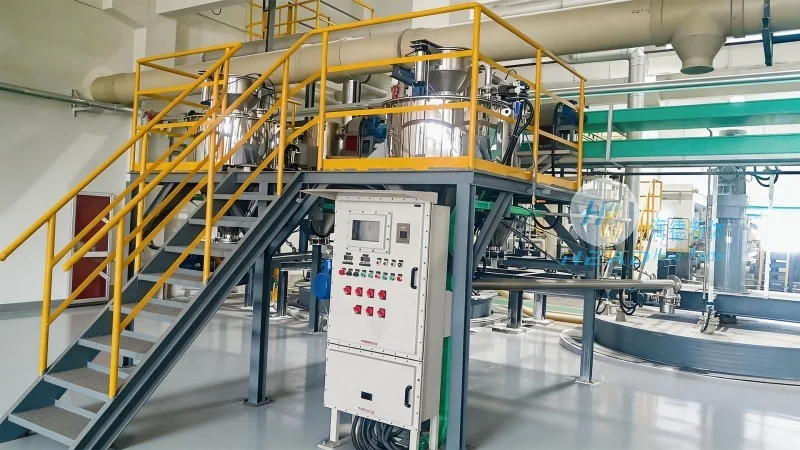
Applications and Benefits of Synthetic Fiber Material Handling Systems
Synthetic fiber material handling systems play a vital role in various industries, contributing to improved efficiency and product quality. In the textile industry, these systems are used to transport bales of synthetic fibers to spinning machines, where they are converted into yarns. This process requires precise handling to avoid fiber breakage or tangling, which can lead to production delays. The benefits of such systems include reduced manual labor, increased throughput, and improved consistency in fiber quality. In the automotive sector, synthetic fibers are used in components like seat fabrics, interior panels, and carpeting. Handling systems for these applications must be able to handle fibers with different properties, such as high-tenacity polyester or flame-retardant acrylic. The benefits here include faster processing times, reduced material waste, and enhanced safety features. Additionally, synthetic fiber handling systems are used in industrial applications like filtration and insulation manufacturing, where consistent material flow is critical for product uniformity. The overall benefits of investing in synthetic fiber material handling systems extend beyond operational efficiency—they also contribute to cost savings by minimizing downtime, reducing maintenance costs, and improving product quality. For businesses in the synthetic fiber sector, reliable material handling is a key factor in maintaining competitiveness and meeting customer demands.