

What is a Sulfur Powder Material Conveying Line? And What Are Its Design Principles?
Understanding the Sulfur Powder Material Conveying Line and Its Design Principles
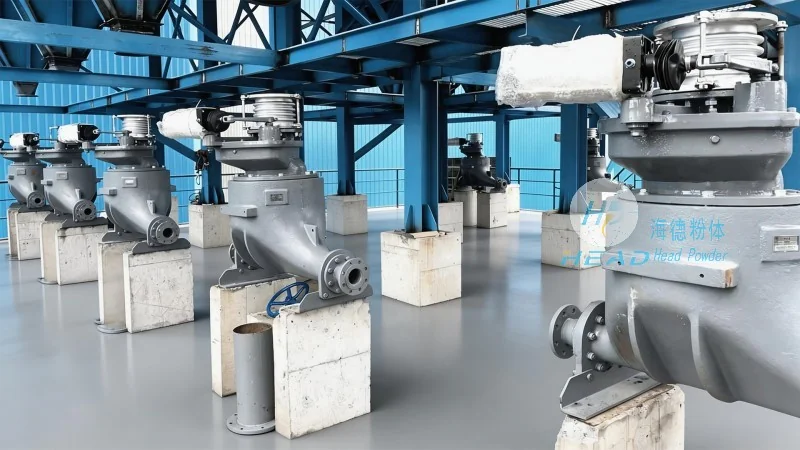
Introduction to Sulfur Powder Material Conveying Lines
A sulfur powder material conveying line is a specialized system engineered to transport sulfur powder efficiently and safely from one location to another. This type of equipment is crucial in industries where sulfur powder is a key raw material, such as in the production of sulfuric acid, fertilizers, or other chemical products. The design of these conveying lines must address the unique properties of sulfur powder, including its fine particle size, potential for static electricity, and the need for minimal dust generation during transport.
About HeadPowder: A Leading Provider of Material Handling Solutions
HeadPowder, or Shandong HeadPowder Engineering Co., Ltd., is a reputable company based in Shandong, China, specializing in the design, manufacturing, and installation of material handling equipment. With a strong focus on quality and innovation, HeadPowder has established itself as a trusted partner for businesses requiring reliable sulfur powder conveying solutions. The company's expertise lies in creating customized conveying systems that meet the specific needs of clients, ensuring optimal performance and safety in material transport operations.
Design Principles of Sulfur Powder Conveying Lines
The design of a sulfur powder material conveying line involves several critical principles aimed at ensuring efficient, safe, and reliable operation. First, the system must be designed to handle the fine particle size of sulfur powder, which can lead to issues like clogging or increased friction. To address this, the conveying line typically incorporates components such as screw conveyors, pneumatic conveyors, or belt conveyors, each chosen based on the specific characteristics of the powder and the required transport distance.
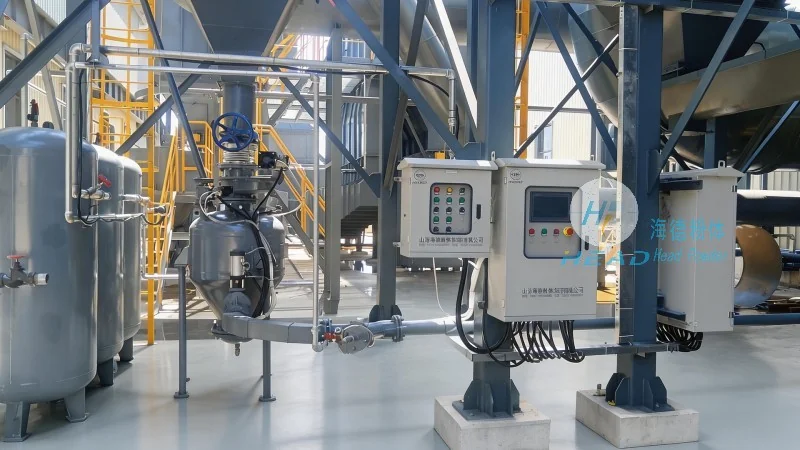
Second, static electricity is a significant concern when handling sulfur powder, as it can cause dust explosions or affect the flow of material. Therefore, anti-static measures are integral to the design. This may include the use of conductive materials, grounding systems, or static eliminators to prevent the buildup of static charge. Additionally, the design must incorporate dust control mechanisms to minimize the release of airborne particles, protecting both the environment and personnel.
Third, the conveying line must be constructed from materials that are resistant to corrosion and chemical reactions with sulfur powder. Common materials include stainless steel, special alloys, or coated components to ensure durability and longevity. The system's design also considers the need for easy maintenance and cleaning, as sulfur powder can adhere to surfaces and require regular upkeep to maintain efficiency.
Key Components and Their Functions
A typical sulfur powder material conveying line consists of several key components, each playing a vital role in the overall operation. The primary components include the feed hopper, which holds the sulfur powder and feeds it into the conveying system; the conveyor itself, which transports the material; and the discharge outlet, which delivers the powder to its destination. In pneumatic conveying systems, additional components such as air fans, filters, and cyclones are used to move the powder through the system using air pressure.
The feed hopper is designed to prevent material buildup and ensure a consistent flow of sulfur powder into the conveyor. It often includes features like a level indicator and a discharge valve to control the amount of material being fed. The conveyor, whether screw, belt, or pneumatic, is selected based on the powder's properties and the distance to be covered. Screw conveyors are commonly used for short to medium distances and horizontal or slight incline transport, while pneumatic conveyors are ideal for longer distances or when the powder needs to be transported vertically.
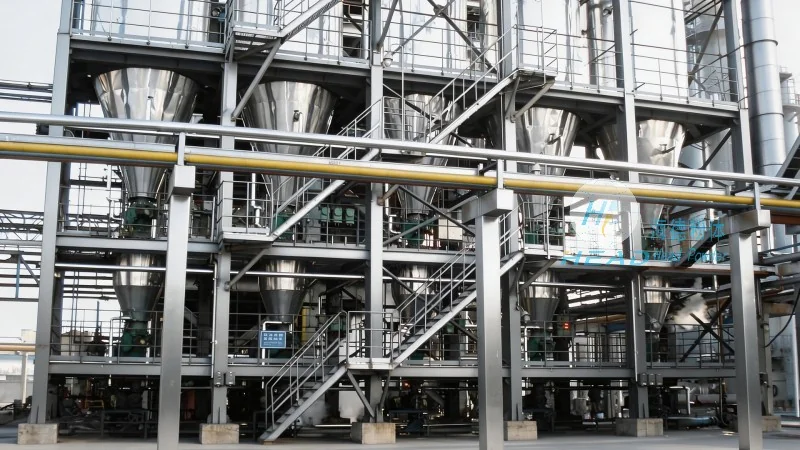
The discharge outlet is crucial for safely releasing the sulfur powder from the system, often equipped with dust collection systems to capture any particles that may escape. In some designs, the outlet may include a rotary valve or a gate to control the flow of material and prevent backflow. Additionally, the system may include sensors and controls to monitor the operation, such as flow meters, pressure sensors, and alarms for abnormal conditions.
Applications and Benefits
Sulfur powder material conveying lines are widely used in various industrial applications where the efficient transport of sulfur powder is essential. These systems are commonly found in chemical plants, fertilizer manufacturing facilities, and sulfuric acid production sites. The primary benefits of using such a system include improved safety by reducing dust exposure and preventing explosions, increased efficiency through automated material transport, and reduced labor costs by minimizing manual handling of the powder.
By addressing the unique challenges of handling sulfur powder, these conveying lines provide a reliable solution for industries that rely on this raw material. The design principles and components work together to ensure that the material is transported safely and efficiently, supporting the overall productivity and operational success of the facility.