

What is a Crystalline Material Conveyor Line? What Are Its Design Principles?
Crystalline material conveyor lines are specialized industrial systems engineered to handle and transport crystalline materials efficiently. These materials, often found in chemical, pharmaceutical, and food processing industries, require precise handling due to their unique physical properties such as high purity, sensitivity to moisture, and varying particle sizes. The design of a crystalline material conveyor line is tailored to address these challenges, ensuring minimal product degradation and optimal operational performance. For instance, in pharmaceutical manufacturing, where product purity is paramount, the conveyor line must be constructed from materials that do not introduce contaminants, such as stainless steel or food-grade plastics. Similarly, in chemical processing, where the material may be reactive, the system includes features like explosion-proof designs and corrosion-resistant components to ensure safety and durability.
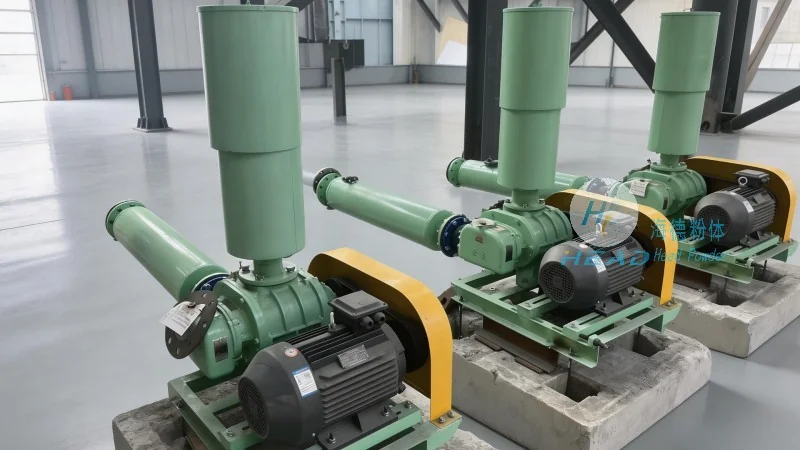
Key Components and Structural Design
The core components of a crystalline material conveyor line typically include feed hoppers, conveyor belts or screw conveyors, control systems, and discharge mechanisms. Feed hoppers are designed to store and meter the crystalline material, often equipped with level sensors to regulate the flow. Conveyor belts, made from materials resistant to chemical exposure and wear, transport the material through the system. Screw conveyors are particularly effective for handling fine or cohesive crystalline powders, as they provide gentle mixing and consistent movement. For example, in the processing of sugar crystals, a screw conveyor with a specific pitch and speed ensures that the crystals are moved without breaking or clumping. Control systems, integrated with sensors for temperature, humidity, and material flow, ensure that the process operates within specified parameters, maintaining product quality and safety. These sensors may include infrared temperature sensors for monitoring the material temperature and humidity sensors to detect moisture levels, which are critical for preserving the crystalline structure.
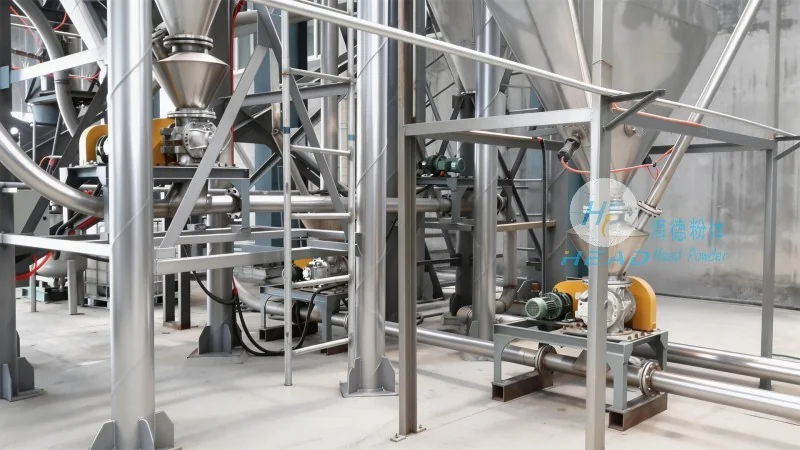
Design Principles for Optimal Performance
Designing a crystalline material conveyor line involves several critical principles aimed at maximizing efficiency and minimizing risks. First, the system must be constructed from materials that are compatible with the specific crystalline material being handled. For example, stainless steel is commonly used for pharmaceutical applications due to its non-reactive nature and ease of cleaning. In contrast, for food processing, food-grade stainless steel or polyethylene may be preferred to meet sanitary standards. Second, the conveyor design must minimize friction and abrasion to prevent particle damage and equipment wear. This is achieved through smooth surfaces, appropriate belt tension, and the use of lubricants where permissible. The choice of conveyor type, such as a belt conveyor for larger crystals or a screw conveyor for fine powders, is based on the material's particle size and flow characteristics. Third, the system incorporates features to control moisture and temperature, as these factors can significantly affect the crystalline structure and stability of the material. For instance, some conveyor lines include heating or cooling zones to maintain the material at the optimal temperature range. In the case of pharmaceuticals, maintaining a consistent temperature is crucial to prevent degradation of the active ingredients. Additionally, the system may include dust collection and filtration systems to prevent airborne particles from contaminating the environment or other products.
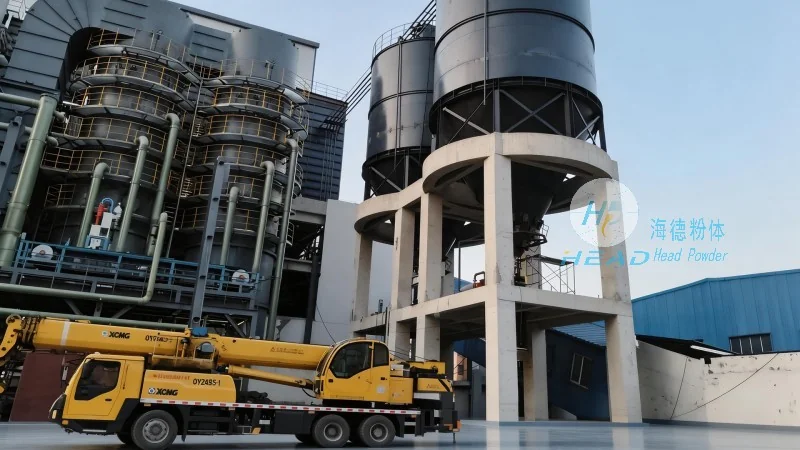
Operational Considerations and Maintenance
Operational considerations for crystalline material conveyor lines focus on maintaining product integrity and system reliability. Regular maintenance is crucial, including cleaning to prevent contamination and checking for wear and tear in conveyor components. The use of sealed and dust-tight designs helps to prevent material loss and environmental contamination. For example, in a pharmaceutical plant, the conveyor line must be cleaned thoroughly after each batch to avoid cross-contamination. This involves using appropriate cleaning agents and following validated cleaning procedures. Checking for wear in conveyor belts, such as checking for cracks or excessive stretching, is essential to prevent material spillage and equipment failure. The control system should also be regularly calibrated to ensure that sensors are providing accurate readings, which is vital for maintaining process parameters. Additionally, the system may include automatic shut-off in case of overfilling or blockages, enhancing safety and preventing product waste. This feature is particularly important in preventing the crystalline material from being damaged or contaminated during an emergency stop. Proper training for operators on the specific handling requirements of the crystalline material is also essential to ensure the system operates as intended. Operators must understand the importance of maintaining the correct temperature and humidity levels, as well as the proper use of the control system to avoid errors that could impact product quality.