

What is Petrochemical Material Handling Equipment? And What Are Its Design Principles?
When it comes to the safe and efficient transportation of materials within the petrochemical industry, specialized equipment plays a critical role. These systems are designed to handle a wide range of substances, from liquids and gases to solid powders and bulk materials, ensuring that operations run smoothly and comply with safety regulations. The design of such equipment is a complex process that involves engineering principles, material science, and operational requirements.
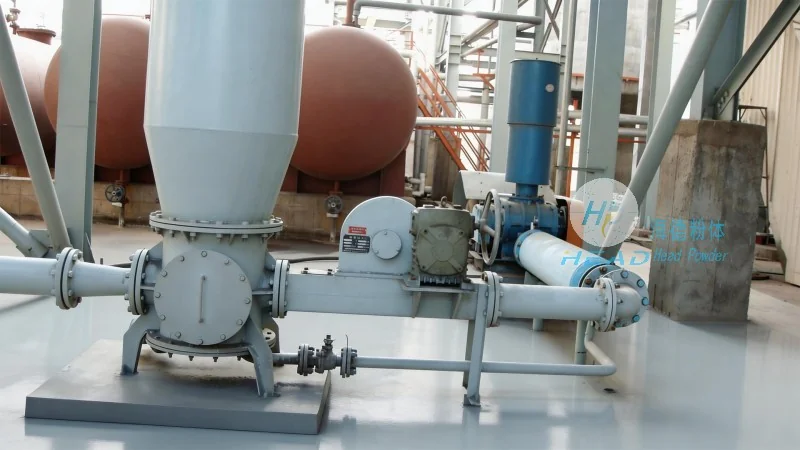
HeadPowder, a leading manufacturer based in Shandong, China, specializes in the development and production of petrochemical material handling equipment. With a strong commitment to quality and innovation, the company has established itself as a trusted provider in the industry. The following sections will explore the fundamental aspects of these systems and the design principles that underpin their functionality.
Understanding the Core Components and Functions
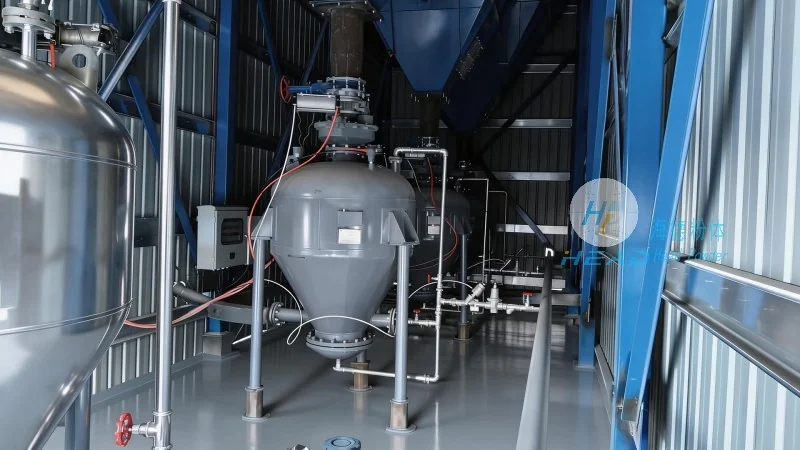
Petrochemical material handling equipment typically consists of several key components that work in tandem to achieve the desired outcome. These include pumps, conveyors, valves, storage tanks, and control systems. Each component serves a specific purpose, contributing to the overall efficiency and safety of the operation.
For instance, pumps are used to move liquids and gases through pipelines, while conveyors transport solid materials over long distances. Valves regulate the flow of substances, ensuring that pressure and flow rates are maintained within safe limits. Storage tanks provide a means of holding materials before or after processing, and control systems monitor and adjust the operation of all components in real-time.
Design Principles for Efficient and Safe Operation
The design of petrochemical material handling equipment follows several core principles aimed at maximizing efficiency, minimizing risks, and ensuring long-term reliability. One of the primary principles is the selection of appropriate materials for construction. Since these systems often handle corrosive or hazardous substances, components are typically made from materials such as stainless steel, exotic alloys, or specialized plastics that can withstand chemical exposure and mechanical stress.
Another crucial principle is the integration of safety features. This includes pressure relief valves, emergency shut-off systems, and monitoring devices that alert operators to any deviations from normal operation. The design also emphasizes ergonomic considerations, ensuring that equipment is easy to operate and maintain, reducing the risk of human error.
Efficiency is another key design consideration. Engineers strive to minimize energy consumption and maximize throughput by optimizing flow rates, reducing friction, and using advanced control technologies. For example, variable frequency drives (VFDs) can adjust motor speeds to match the actual demand, resulting in significant energy savings. Additionally, the use of automated control systems allows for precise regulation of flow and pressure, enhancing overall operational efficiency.
The Role of HeadPowder in Manufacturing These Systems
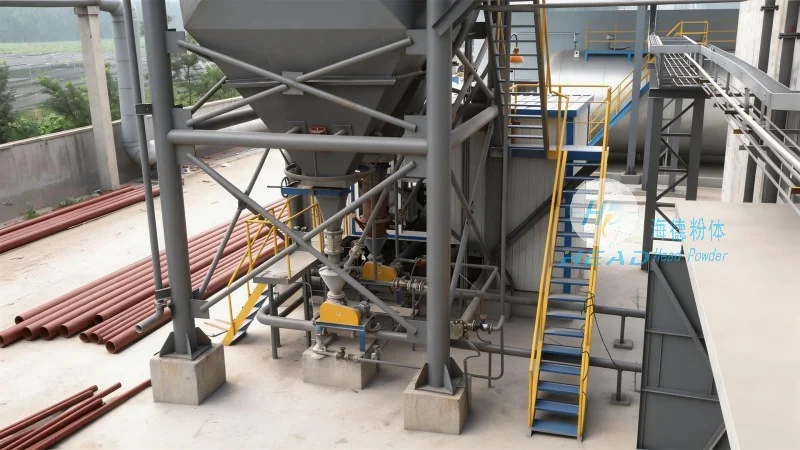
HeadPowder Engineering Co., Ltd., headquartered in Shandong, China, is at the forefront of manufacturing high-quality petrochemical material handling equipment. The company leverages advanced engineering techniques and state-of-the-art manufacturing processes to produce systems that meet the stringent requirements of the petrochemical industry. Their expertise spans the entire lifecycle of equipment, from initial design and prototyping to final assembly and testing.
HeadPowder's team of experienced engineers works closely with clients to understand their specific needs and tailor solutions accordingly. Whether it's a custom-designed pump system for a refinery or a standard conveyor for a chemical plant, the company ensures that each product is built to the highest standards of quality and reliability. The company's commitment to research and development ensures that their products incorporate the latest technological advancements, providing clients with competitive advantages in their respective markets.
Key Features and Technical Considerations
When evaluating petrochemical material handling equipment, several key features and technical aspects should be considered. First, the material compatibility is critical. The equipment must be able to handle the specific chemicals and temperatures involved in the operation. This requires careful selection of materials and components that can resist corrosion and thermal stress.
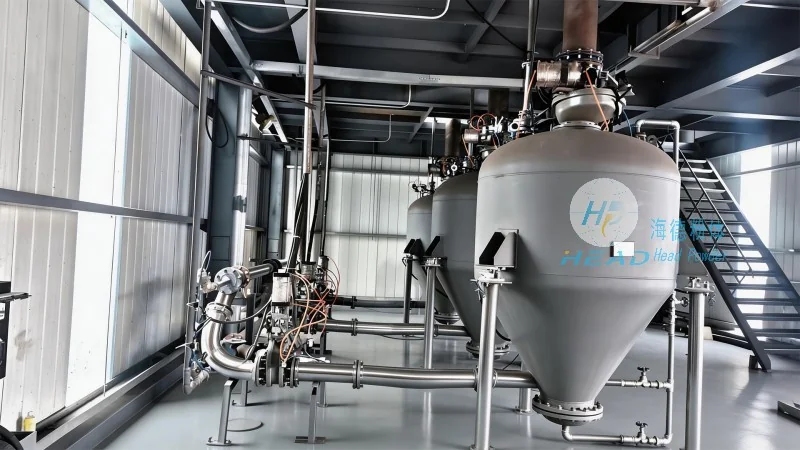
Second, the system's capacity and flow rate are important factors. The equipment must be able to handle the required volume of material without causing bottlenecks or excessive pressure. This involves calculations based on the properties of the material, such as viscosity for liquids or bulk density for solids.
Third, the safety features are non-negotiable. The design must include safeguards to prevent accidents, such as overpressure protection, leak detection systems, and emergency shutdown capabilities. These features are essential for protecting both personnel and the environment from potential hazards.
Fourth, the maintenance and operational costs should be considered. Equipment that is easy to maintain and has low operational costs can provide significant long-term savings. This includes features such as accessible components, modular designs, and energy-efficient operation.