

What Are Rare Earth Material Handling Equipment? And What Are Their Design Principles?
Understanding rare earth material handling equipment is crucial for industries that rely on the efficient processing and transportation of these critical materials. These specialized machines are engineered to handle the unique properties of rare earth elements, ensuring safety, precision, and optimal performance in various industrial applications.
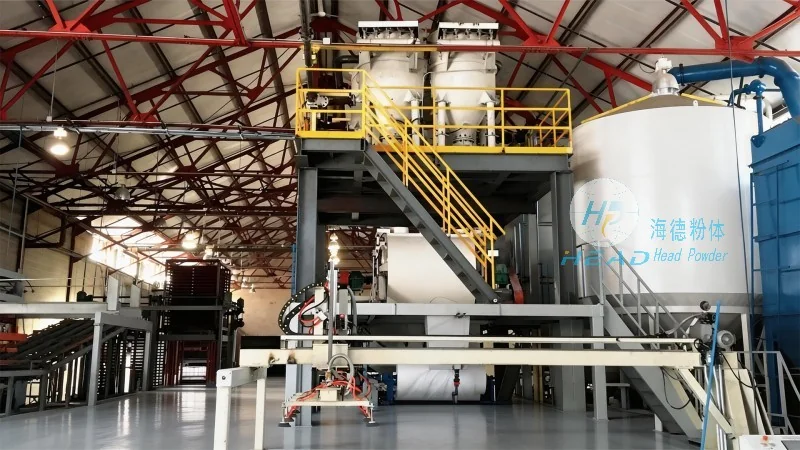
HeadPowder: Your Trusted Partner in Rare Earth Handling Solutions
Shandong HeadPowder Engineering Co., Ltd., commonly known as HeadPowder, is a leading manufacturer and supplier of advanced material handling equipment tailored for the rare earth industry. With a strong presence in China, particularly in Shandong, the company has established itself as a reliable source for high-quality machinery designed to meet the demanding needs of modern rare earth processing facilities.
The Core Design Principles of Rare Earth Material Handling Equipment
The design of rare earth material handling equipment is guided by several key principles that address the specific challenges associated with these materials. First, the equipment must be constructed from materials that are chemically inert and resistant to corrosion, as rare earth elements often require handling in environments with acidic or oxidative conditions. Stainless steel, special alloys, and non-reactive polymers are commonly used in the construction of these machines to prevent contamination and ensure longevity.
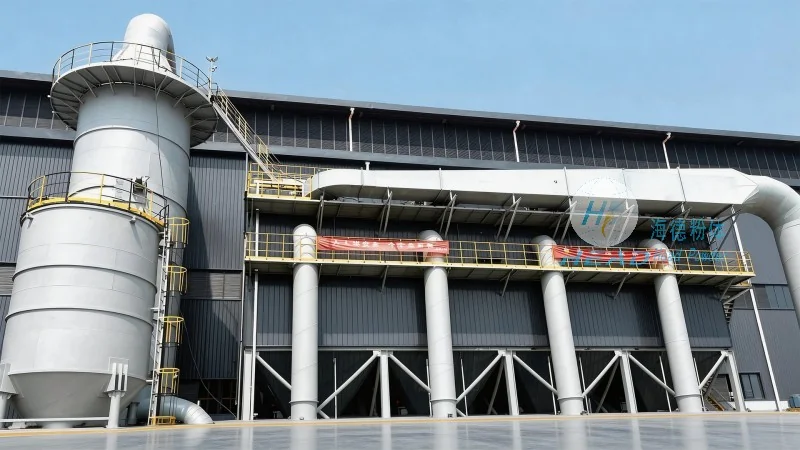
Second, the design emphasizes precision and control. Rare earth materials are often processed in small quantities and require accurate measurement and distribution. Therefore, equipment such as conveyor systems, feeding mechanisms, and dosing units are equipped with advanced sensors and control systems that allow for precise flow regulation. This ensures that the materials are handled with minimal loss and maximum efficiency.
Third, safety is a paramount consideration. The handling of rare earth materials, especially in their raw or intermediate forms, can pose health and environmental risks. The design incorporates robust safety features, including enclosed systems to prevent dust and particle release, emergency stop mechanisms, and protective enclosures to shield operators from potential hazards. Additionally, the equipment is designed to comply with relevant safety standards and regulations, ensuring a secure working environment.
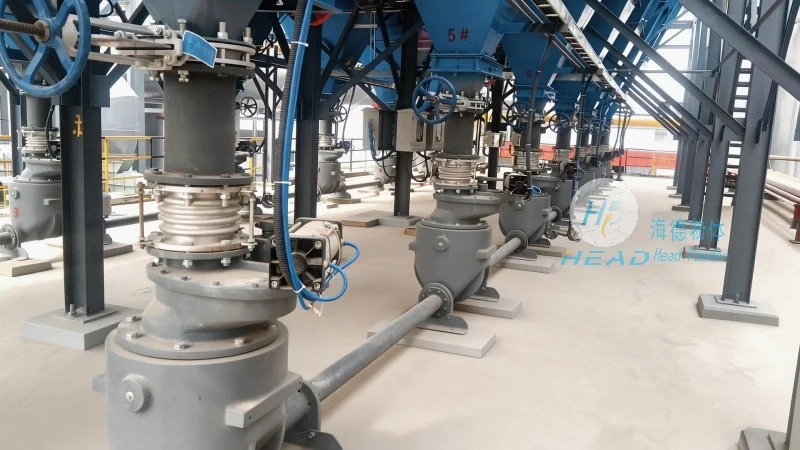
Key Components and Functional Aspects
Rare earth material handling equipment typically consists of several interconnected components that work in harmony to achieve efficient material processing. The primary components include feeders, conveyors, storage hoppers, and processing units. Feeders are responsible for the initial intake and distribution of the rare earth materials, often using gravity or mechanical force to move the material from storage to the processing line. Conveyors, such as belt or screw conveyors, then transport the materials to different stages of the production process, ensuring a smooth and continuous flow.
Storage hoppers are designed to hold large quantities of rare earth materials, providing a buffer between the extraction and processing stages. These hoppers are equipped with level sensors and discharge mechanisms that allow for controlled release of the material as needed. Processing units, which may include grinding, mixing, or sorting equipment, are integrated into the system to transform the raw materials into usable products. Each component is carefully engineered to handle the unique physical and chemical properties of rare earth elements, such as their high density and magnetic susceptibility.
Advantages and Applications
The use of specialized rare earth material handling equipment offers numerous advantages over traditional methods. These machines enhance productivity by streamlining the material flow and reducing downtime. They also improve safety by minimizing human exposure to hazardous materials and by controlling dust and particle emissions. Additionally, the precision and control provided by these systems lead to higher quality output and reduced waste, making them cost-effective solutions for rare earth processing facilities.
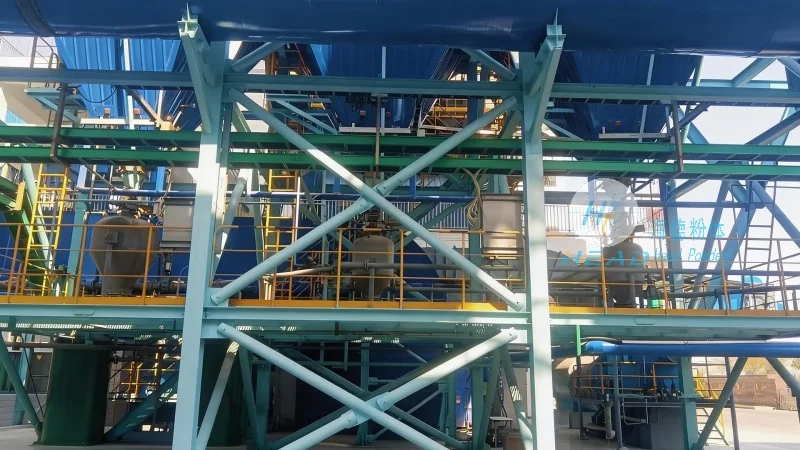
Applications of rare earth material handling equipment span various industries, including electronics, automotive, and renewable energy. In the electronics industry, rare earth elements are used in the production of magnets and phosphors for displays and lighting. The handling equipment ensures that these materials are processed efficiently to meet the high demands of this sector. In the automotive industry, rare earth materials are utilized in catalytic converters and batteries, where precise handling is critical for performance and longevity. The renewable energy sector also relies on rare earth materials for wind turbine components and solar panels, making the efficient handling of these materials essential for the growth of sustainable technologies.
Conclusion
In summary, rare earth material handling equipment is a critical component of modern industrial operations, designed to address the unique challenges of processing and transporting rare earth elements. The design principles, components, and applications of these machines are tailored to ensure efficiency, safety, and quality. As a leading provider in the industry, Shandong HeadPowder Engineering Co., Ltd. continues to innovate and provide advanced solutions that meet the evolving needs of the rare earth processing sector.