

How to Design a Reasonable Starch Pneumatic Conveying System Plan?
When it comes to managing starch processing operations, the design of an efficient and reliable pneumatic conveying system is crucial. A well-planned system not only enhances productivity but also ensures safety and cost-effectiveness in the long run. This article will guide you through the key considerations and steps involved in designing a starch pneumatic conveying system, with a focus on the expertise of Shandong HeadPowder Engineering Co., Ltd., a leading provider in the field.
Understanding the Core Principles of Starch Pneumatic Conveying
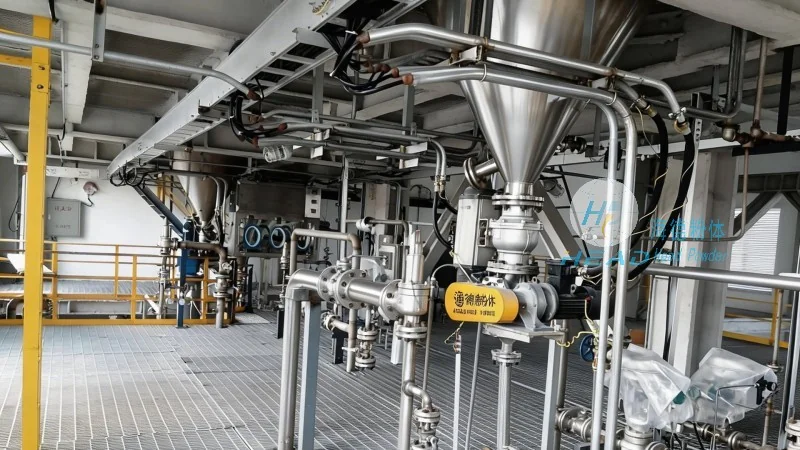
Before diving into the design process, it's essential to grasp the fundamental principles of pneumatic conveying. This method involves transporting bulk materials like starch using a stream of air or gas. The system typically consists of a hopper, a conveyor line, and a receiver. The choice between positive and negative pressure systems depends on the specific application and material characteristics. For starch, which is often fine and light, a positive pressure system may be more suitable as it provides better control over the material flow and reduces the risk of dust accumulation.
Key Factors to Consider in System Design
Several critical factors must be evaluated when designing a starch pneumatic conveying system. First, the material's physical properties, such as particle size, density, and moisture content, play a significant role. Starch particles are generally fine and can be prone to bridging or caking, which can affect the system's performance. Therefore, the design must include features to prevent these issues, such as proper hopper design with a conical bottom and airlocks to maintain consistent flow. Second, the system's capacity and the required conveying distance are vital. The air velocity and pressure must be optimized to ensure the material is transported efficiently without causing excessive wear on the equipment. Third, the system's integration with existing infrastructure is important. Compatibility with the processing plant's layout and other equipment must be considered to minimize installation costs and downtime.
Components of a Typical Starch Pneumatic Conveying System
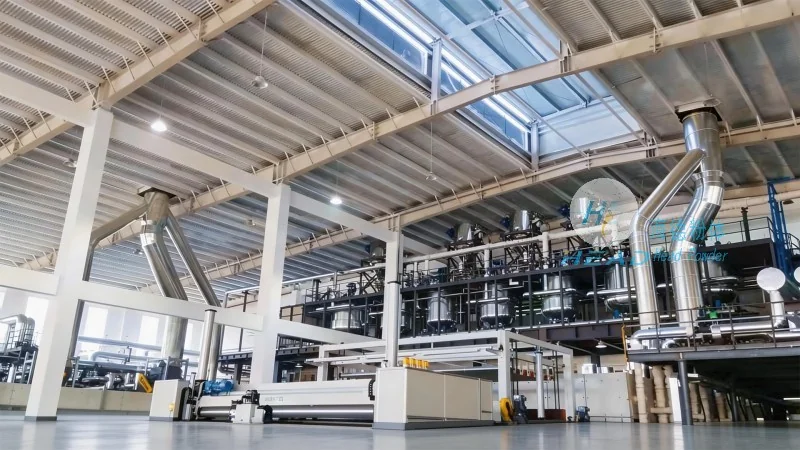
A starch pneumatic conveying system typically includes several key components. The hopper is the starting point, where the starch is stored and fed into the system. It should be designed to handle the material's characteristics, with a smooth interior to prevent material buildup and a discharge valve that can be controlled to regulate the flow. The conveyor line, which can be made of metal or plastic, carries the starch through the system. The air source, usually a blower or a fan, provides the necessary pressure to move the material. The receiver, where the starch is deposited, should be equipped with a dust collection system to ensure environmental compliance and safety. Additionally, the system may include filters, cyclones, and air compressors to maintain air quality and system efficiency.
Design Process and Engineering Expertise
The design of a starch pneumatic conveying system is a complex process that requires specialized engineering knowledge. Shandong HeadPowder Engineering Co., Ltd. brings decades of experience in this field, offering tailored solutions that meet the unique needs of each client. The company's engineers work closely with clients to assess their specific requirements, including the type of starch, production volume, and operational constraints. They then use advanced software and computational fluid dynamics (CFD) to simulate the system's performance, ensuring optimal design before implementation. This approach minimizes the risk of errors and ensures that the final system operates at peak efficiency.
Benefits of a Well-Designed Starch Pneumatic Conveying System
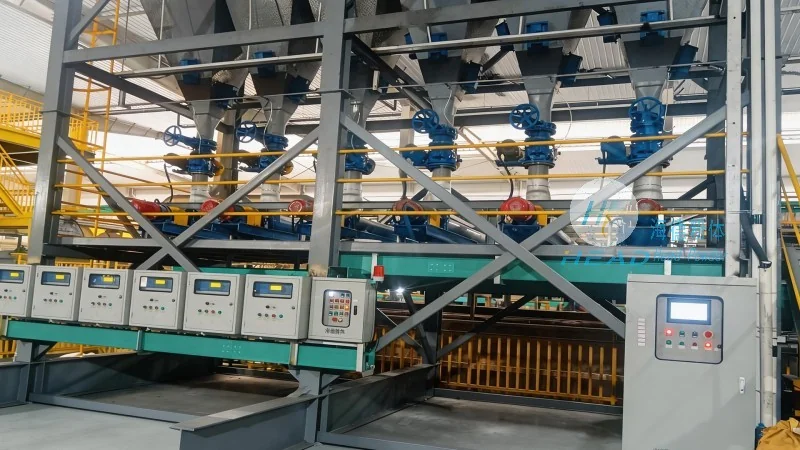
Implementing a well-designed starch pneumatic conveying system offers numerous benefits. Firstly, it improves operational efficiency by reducing downtime and increasing throughput. The system's ability to transport starch quickly and reliably minimizes the time spent on manual handling and reduces the risk of material loss. Secondly, it enhances safety by eliminating the need for manual handling of bulk materials, which can be hazardous. The enclosed system also prevents dust from spreading, reducing the risk of respiratory issues and fire hazards. Thirdly, it offers cost savings in the long term. By optimizing the system's design, the company can reduce energy consumption and maintenance costs, leading to a lower total cost of ownership. Finally, it improves product quality by maintaining the integrity of the starch during transportation, preventing contamination and degradation.
Conclusion and Next Steps
Designing a reasonable starch pneumatic conveying system is a critical step in optimizing starch processing operations. By considering the material's properties, system capacity, and integration with existing infrastructure, and by leveraging the expertise of companies like Shandong HeadPowder Engineering Co., Ltd., businesses can achieve a system that is efficient, reliable, and cost-effective. The key is to approach the design process systematically, ensuring that all aspects are carefully evaluated and optimized. For those looking to implement a new system or upgrade an existing one, consulting with experienced engineering firms is highly recommended to ensure the best possible outcome.