

How to Design a Reasonable Lead Powder Pneumatic Conveying System Plan?
When it comes to handling lead powder in industrial settings, the design of an efficient and reliable pneumatic conveying system is crucial. A well-designed system not only ensures safe and effective material transport but also minimizes operational costs and maintenance issues. This article will guide you through the key considerations and steps for designing a reasonable lead powder pneumatic conveying system, with insights from Shandong HeadPowder Engineering Co., Ltd., a leading provider in the field.
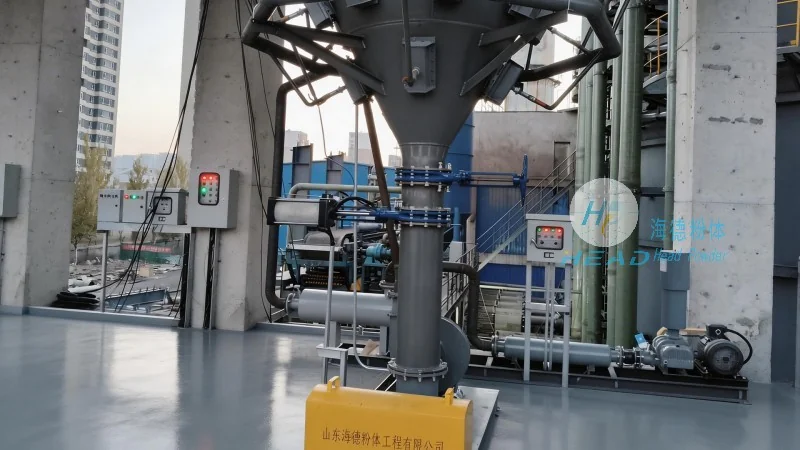
Understanding the Core Principles of Lead Powder Pneumatic Conveying
Before diving into the design process, it's essential to grasp the fundamental principles of pneumatic conveying for lead powder. Lead powder, due to its density and potential for dust generation, requires a system that can handle both the material's physical properties and the safety requirements associated with lead handling. The primary goal is to create a system that maintains the integrity of the powder, prevents clogging, and ensures consistent flow rates. Shandong HeadPowder Engineering Co., Ltd. emphasizes the importance of understanding the specific characteristics of lead powder, such as its particle size distribution, moisture content, and flowability, as these factors directly impact system performance.
Key Design Considerations for Lead Powder Pneumatic Conveying Systems
Several critical factors must be considered when designing a lead powder pneumatic conveying system. First, the system's capacity and the required flow rate are paramount. This involves determining the amount of lead powder that needs to be transported per hour or per batch, which dictates the size of the conveying lines, the air volume, and the pressure levels. Second, the layout of the system is crucial. The distance between the source and the destination, as well as any obstacles or changes in elevation, must be accounted for. Shandong HeadPowder Engineering Co., Ltd. recommends conducting a thorough site survey to map out the optimal path for the conveying lines, ensuring minimal bends and straight runs to reduce pressure losses and prevent material buildup.
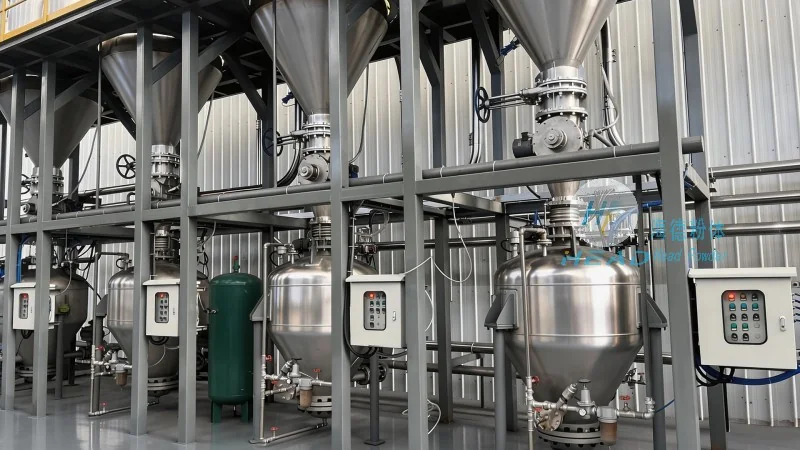
Components and Equipment Selection for Lead Powder Pneumatic Conveying
The selection of appropriate components is a critical step in designing an effective lead powder pneumatic conveying system. The system typically includes a blower or compressor to generate the necessary air pressure, a hopper or feeder to control the powder flow, and a conveying line (often made of stainless steel to prevent corrosion from lead dust). For lead powder, which can be abrasive and corrosive, the choice of materials for the conveying line and components is vital. Shandong HeadPowder Engineering Co., Ltd. suggests using high-quality stainless steel or specialized materials that can withstand the chemical and physical stresses of lead powder. Additionally, the system may include filters and dust collectors to ensure compliance with environmental regulations and to maintain air quality in the workplace.
System Sizing and Air Flow Calculations
Accurate sizing of the air flow and pressure is essential for the efficient operation of a lead powder pneumatic conveying system. The air volume required depends on the flow rate of the lead powder and the characteristics of the conveying line. Engineers from Shandong HeadPowder Engineering Co., Ltd. use specialized software and formulas to calculate the necessary air pressure and volume, considering factors like the powder's density, particle size, and the system's layout. Proper sizing ensures that the system operates within its optimal range, preventing excessive energy consumption or insufficient conveying capacity. It's also important to account for pressure losses due to bends, fittings, and changes in elevation, as these can significantly impact the overall performance of the system.
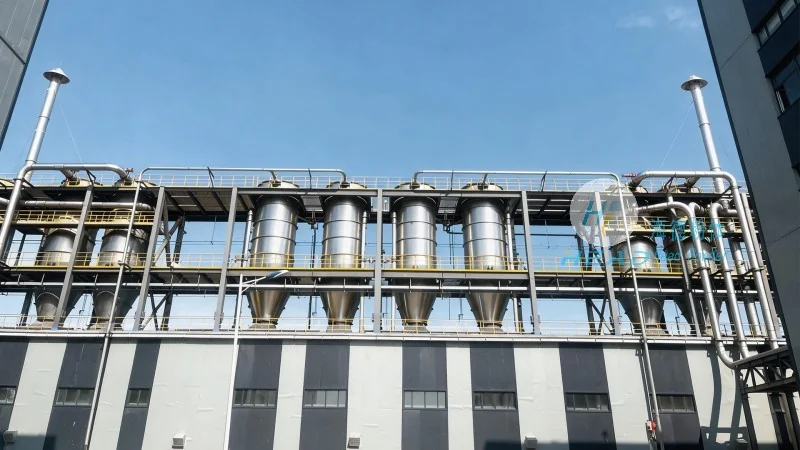
Safety and Environmental Considerations in Lead Powder Pneumatic Conveying
Handling lead powder requires strict adherence to safety and environmental regulations. The system must be designed to minimize dust exposure and prevent lead contamination. This includes using enclosed conveying lines, proper ventilation systems, and dust collection equipment. Shandong HeadPowder Engineering Co., Ltd. emphasizes the importance of integrating safety features such as explosion-proof components, emergency shut-off valves, and monitoring systems to detect any abnormalities in the system. Additionally, the system should comply with local and national regulations regarding lead handling and emissions, ensuring that the operation is environmentally responsible and legally compliant.
Integration and Testing of the Lead Powder Pneumatic Conveying System
After the design and component selection, the next step is to integrate all parts of the system and conduct thorough testing. This involves assembling the conveying lines, connecting the blower and feeder, and ensuring all components are properly aligned and secured. Shandong HeadPowder Engineering Co., Ltd. recommends performing a series of tests, including pressure tests, flow rate tests, and material flow tests, to verify that the system operates as designed. Any issues or inefficiencies identified during testing should be addressed before the system goes into full operation. Proper integration and testing are crucial to ensure the long-term reliability and performance of the lead powder pneumatic conveying system.