

What Are Glutinous Rice Material Handling Equipment? And What Are Their Design Principles?
Glutinous rice, a staple ingredient in many traditional dishes, demands specialized equipment for its efficient handling, processing, and transportation. The proper material handling solutions are essential to preserve the rice's delicate texture and quality throughout the production and distribution chain. This article examines the equipment used for glutinous rice and explores the design principles that underpin their functionality.
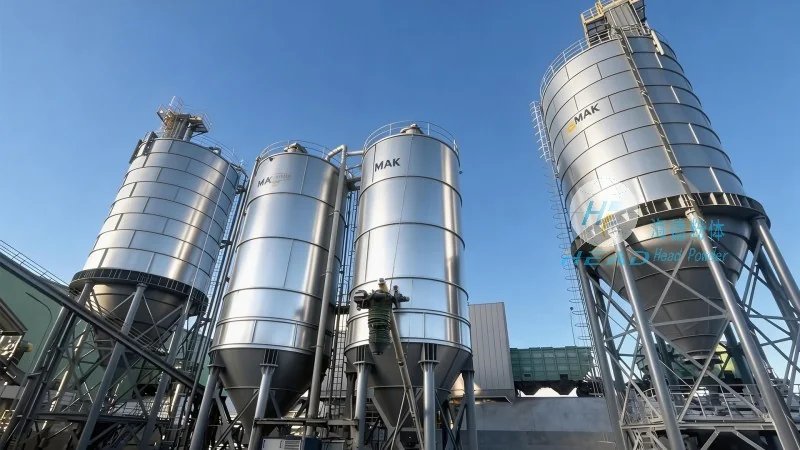
Introduction to Glutinous Rice Material Handling Equipment
Glutinous rice, also known as sticky rice, is distinguished by its high amylopectin content, which results in a sticky consistency when cooked. Handling this type of rice requires equipment that can manage its unique physical properties without causing damage or degradation. The primary objective of glutinous rice material handling equipment is to move the rice from one stage of production to another with minimal friction and impact, ensuring consistent quality and efficient processing.
Key Design Principles for Glutinous Rice Handling
The design of glutinous rice material handling equipment revolves around several critical principles to accommodate the rice's characteristics. First, the equipment must minimize friction and abrasion, as these can break down the rice grains and affect their texture. This is achieved through the use of smooth, non-abrasive surfaces, gentle curves, and low-friction materials in conveyor belts, hoppers, and chutes. Second, the equipment is engineered to maintain a consistent flow of rice, preventing clogging and ensuring uniform movement. This involves the use of sloped surfaces and controlled speed mechanisms to regulate the rice's movement through the system.
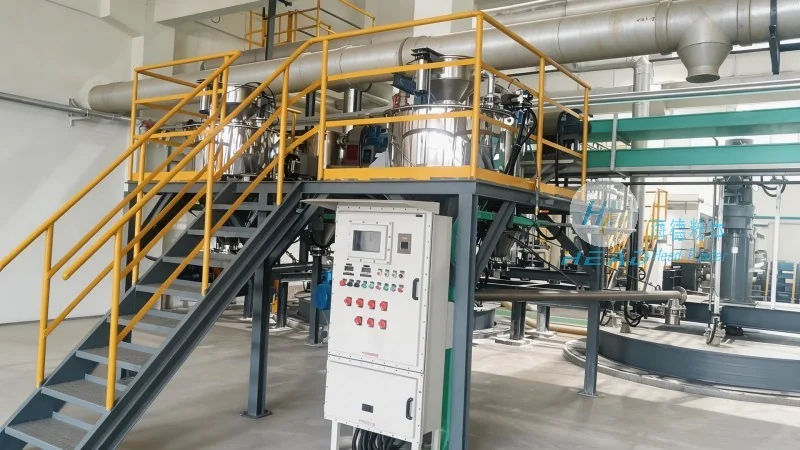
Another vital design principle is the prevention of moisture loss and contamination. Glutinous rice is sensitive to changes in moisture, and the equipment is constructed with enclosed systems to protect it from external factors. This helps to maintain the rice's freshness and quality. Additionally, the equipment is designed for easy cleaning and maintenance, as hygiene is paramount in food processing. The use of stainless steel and other sanitary materials in the construction helps to prevent the buildup of bacteria and other contaminants.
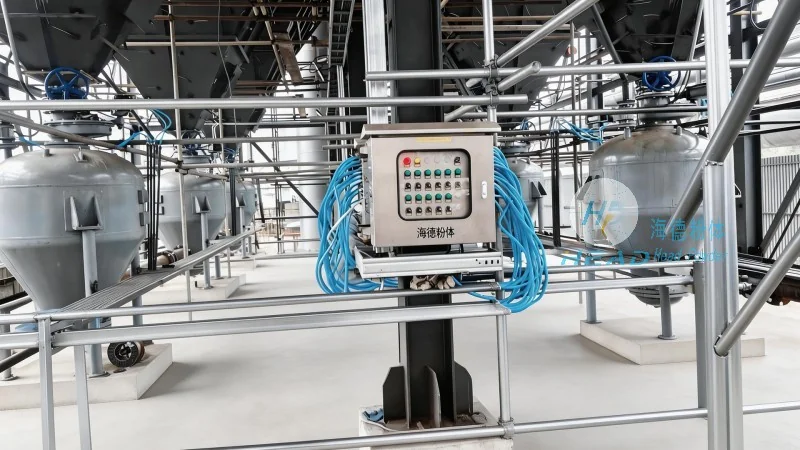
Common Equipment Types for Glutinous Rice Processing
Several types of material handling equipment are commonly employed in glutinous rice processing. Conveyor belts are widely used to transport the rice from storage to processing machines, often with adjustable speed controls to manage the flow. Hoppers and chutes facilitate the movement of rice from one area to another, ensuring a smooth transition. Vibrating feeders and screens are used to separate impurities and ensure that only high-quality glutinous rice grains are processed. Some facilities also utilize pneumatic conveying systems, which use air pressure to move the rice through pipes, reducing physical contact and further preserving its quality.
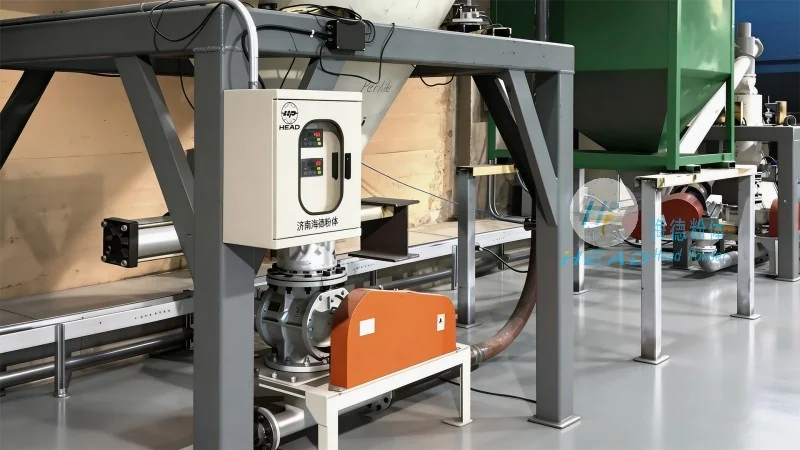
Importance of Efficient Material Handling in the Industry
Efficient material handling equipment is crucial for the smooth operation of glutinous rice processing plants. It minimizes downtime, increases productivity, and ensures consistent product quality. The proper equipment helps to maintain regulatory compliance and meet customer expectations. By reducing the risk of damage or contamination, the equipment contributes to the overall safety and quality of the final product.
About Shandong HeadPowder Engineering Co., Ltd.
Shandong HeadPowder Engineering Co., Ltd., a prominent manufacturer specializing in material handling solutions, provides customized equipment for the food processing industry. With a focus on quality and innovation, the company has developed a range of products tailored to the unique needs of glutinous rice processing. The company's equipment is designed based on the principles discussed, ensuring efficiency, safety, and hygiene. HeadPowder Engineering is committed to helping food processing facilities optimize their operations and maintain the quality of their products. The company is based in Shandong, China, and serves clients globally with reliable and durable equipment.