

Types of Fly Ash Conveying Methods: An Overview of the Advantages and Features of Pneumatic Conveying
Fly ash, a byproduct of coal combustion, is widely used in construction materials and other industrial applications. The efficient and reliable transportation of fly ash from its source to processing or storage facilities is crucial for optimizing production processes and minimizing environmental impact. Various methods are employed for fly ash conveying, each with its own set of advantages and limitations. This article explores the different fly ash conveying methods available and highlights the key benefits and characteristics of pneumatic conveying, a modern and increasingly popular solution in the industry.
Understanding Fly Ash Conveying Methods
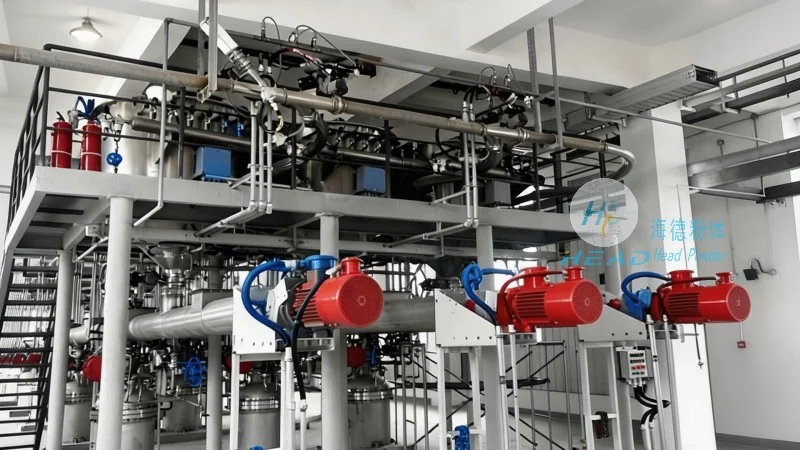
Traditional fly ash conveying methods include mechanical systems such as belt conveyors, screw conveyors, and pneumatic systems using positive pressure or vacuum. Belt conveyors are commonly used for bulk material handling but may face challenges with dust control and material degradation. Screw conveyors are suitable for smaller volumes but can be less efficient for high-volume fly ash transport. Positive pressure pneumatic conveying systems use compressed air to move material through a pipeline, while vacuum systems use suction to draw material from the source. Each method has its place in the industry, but advancements in technology have led to more sophisticated and efficient solutions like high-pressure and low-pressure pneumatic conveying.
The Advantages of Pneumatic Conveying for Fly Ash
Pneumatic conveying stands out as a preferred method for fly ash transport due to several key advantages. One of the most significant benefits is its ability to handle fine and abrasive materials without causing wear and tear on equipment. Unlike mechanical systems that rely on moving parts, pneumatic systems use air pressure to move material, reducing maintenance costs and extending the lifespan of conveying equipment. Additionally, pneumatic conveying offers excellent dust control, as the material is contained within a sealed pipeline, minimizing environmental pollution and ensuring compliance with regulatory standards. This feature is particularly important for fly ash, which can be a source of airborne particles if not handled properly.
Efficiency and flexibility are other major advantages of pneumatic conveying. High-pressure systems can transport fly ash over long distances with minimal pressure drop, making them suitable for large-scale industrial applications. Low-pressure systems, on the other hand, are ideal for shorter distances or when the material is less abrasive. The ability to adjust the conveying rate and pressure allows for precise control over the material flow, ensuring that the process remains consistent and efficient. This flexibility also enables the integration of pneumatic conveying systems with existing infrastructure, reducing the need for major modifications to production facilities.
Key Features of Pneumatic Conveying Systems
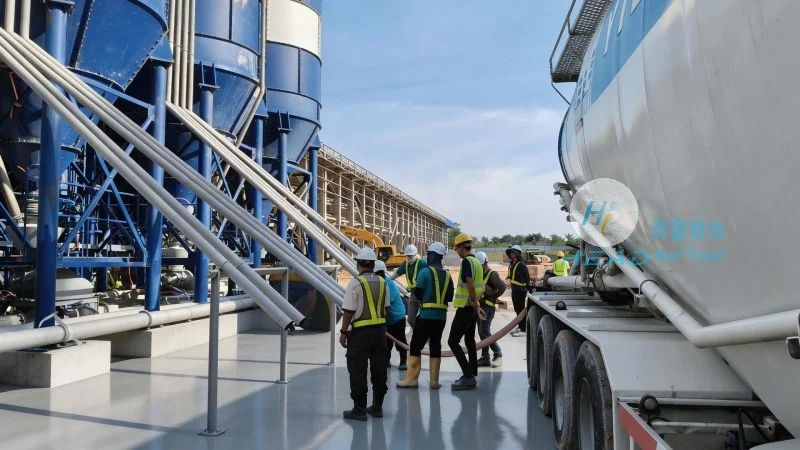
Modern pneumatic conveying systems for fly ash are equipped with several features that enhance their performance and reliability. One such feature is the use of specialized pipelines and fittings designed to withstand the abrasive nature of fly ash. These components are typically made from materials like stainless steel or high-grade plastic, which resist corrosion and wear. The system also includes air filters and moisture separators to maintain air quality and prevent clogging of the pipeline. Additionally, many systems incorporate automated controls that monitor pressure, flow rate, and material level, providing real-time data for process optimization and troubleshooting.
Another important feature is the ability to handle varying material characteristics. Fly ash can vary in particle size, moisture content, and density depending on the source and combustion conditions. Pneumatic conveying systems are designed to accommodate these variations, ensuring consistent performance even with changes in material properties. This adaptability makes them suitable for a wide range of applications, from small-scale industrial operations to large-scale power plants and cement factories.

HeadPowder Engineering: Providing Pneumatic Conveying Solutions
Shandong HeadPowder Engineering Co., Ltd., a leading provider of industrial conveying solutions, specializes in designing and manufacturing high-quality pneumatic conveying systems for fly ash and other bulk materials. With years of experience in the industry, HeadPowder has developed a comprehensive range of products tailored to meet the specific needs of clients. The company's commitment to innovation and quality ensures that its systems are efficient, reliable, and environmentally friendly, aligning with the industry's growing emphasis on sustainability.
HeadPowder's pneumatic conveying systems are engineered to deliver optimal performance, combining advanced technology with robust construction. The company's team of experts works closely with clients to understand their unique requirements, from material characteristics to operational constraints, and develops customized solutions that maximize efficiency and minimize costs. Whether it's a new installation or an upgrade to an existing system, HeadPowder provides comprehensive support, including design, installation, and maintenance services, ensuring that clients receive a complete and reliable solution.
HeadPowder's operations are based in Shandong, China, where the company leverages its local expertise and resources to deliver high-quality products and services. The company's facilities are equipped with state-of-the-art manufacturing equipment and testing facilities, enabling it to produce systems that meet international standards and client specifications. By focusing on quality and customer satisfaction, HeadPowder has established itself as a trusted partner in the industrial conveying industry, helping clients improve their production processes and achieve their business goals.