

Types of Desulfurization Fly Ash Conveying Methods? An Overview of the Advantages and Features of Desulfurization Fly Ash Pneumatic Conveying
Desulfurization fly ash, a byproduct of flue gas desulfurization processes in power plants and industrial facilities, requires efficient and reliable transportation for reuse or disposal. The choice of conveying method significantly impacts operational efficiency, environmental compliance, and overall cost-effectiveness. In this article, we explore various desulfurization fly ash conveying methods, with a focus on the advantages and features of pneumatic conveying systems, as presented by Shandong HeadPowder Engineering Co., Ltd., a leading provider in the field.
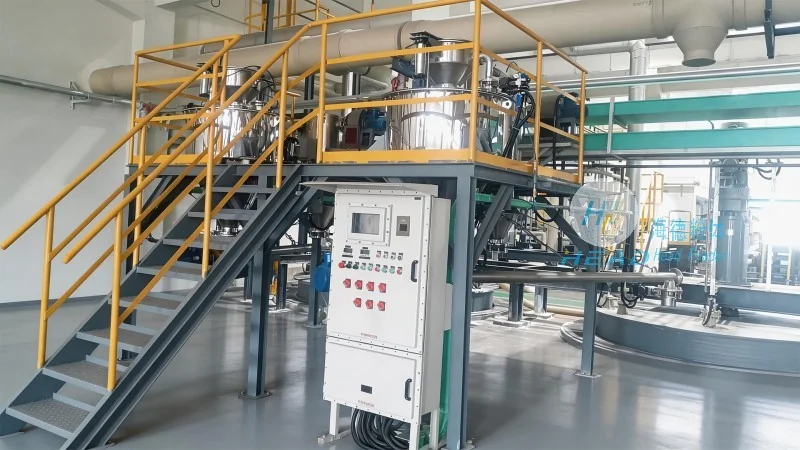
Common Conveying Methods for Desulfurization Fly Ash
Several methods are employed for transporting desulfurization fly ash, each with its own set of advantages and limitations. Traditional mechanical conveying systems, such as belt conveyors and screw conveyors, are widely used for bulk material handling. However, these methods may face challenges when dealing with fine, dusty fly ash, including material buildup, wear and tear on equipment, and potential dust emissions. In contrast, pneumatic conveying offers a more flexible and efficient solution for handling desulfurization fly ash, especially in applications requiring long-distance or complex route conveyance.
Pneumatic Conveying: Advantages and Key Features
Shandong HeadPowder Engineering Co., Ltd. specializes in the design, manufacturing, and implementation of advanced pneumatic conveying systems tailored for desulfurization fly ash. The primary advantages of pneumatic conveying include high conveying efficiency, minimal environmental impact, and enhanced safety. Unlike mechanical systems, pneumatic conveyors can transport fly ash over long distances without the need for multiple transfer points, reducing operational downtime and maintenance costs. Additionally, pneumatic systems are equipped with dust collection and filtration mechanisms, ensuring compliance with air quality regulations and minimizing the risk of dust dispersion.
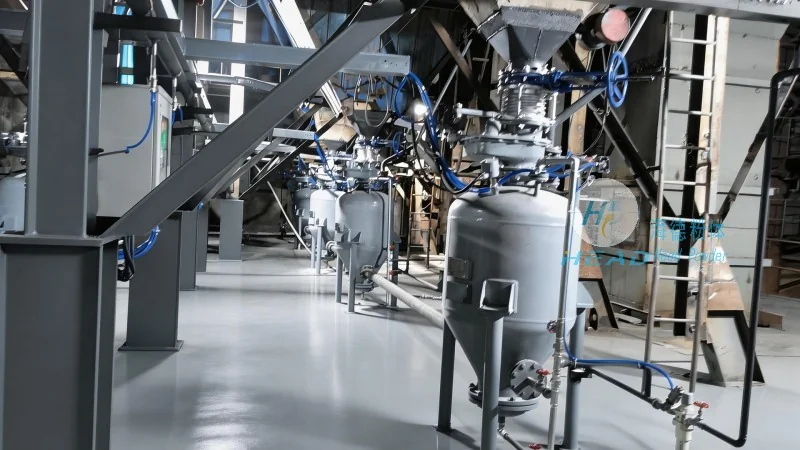
Efficiency and Performance in Pneumatic Conveying
The efficiency of pneumatic conveying for desulfurization fly ash is attributed to its ability to handle fine particles and maintain consistent flow rates. By utilizing positive or negative pressure systems, the conveying process can be optimized for different material characteristics and application requirements. For instance, positive pressure systems are suitable for short to medium distances and moderate material loads, while negative pressure systems are ideal for long-distance transport and handling of fine powders. The flexibility of pneumatic conveying also allows for integration with existing industrial infrastructure, enabling seamless incorporation into current production processes.
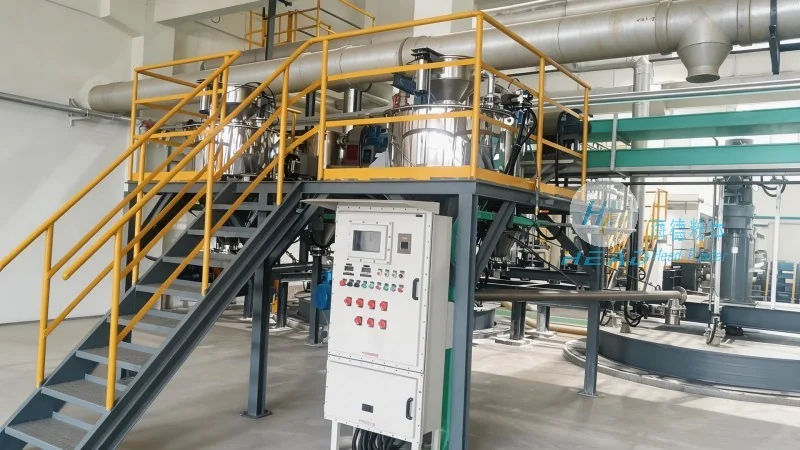
Environmental and Safety Considerations
When selecting a conveying method for desulfurization fly ash, environmental and safety factors are paramount. Pneumatic conveying systems, as offered by Shandong HeadPowder Engineering Co., Ltd., are designed with environmental protection in mind. The enclosed nature of the system prevents dust from escaping into the environment, reducing the risk of air pollution and ensuring compliance with local and national regulations. Furthermore, the system's design minimizes the need for manual handling of fly ash, thereby reducing occupational exposure to fine particles and enhancing workplace safety.
Customized Solutions for Diverse Applications
Shandong HeadPowder Engineering Co., Ltd. understands that each industrial facility has unique requirements for desulfurization fly ash handling. Therefore, the company provides customized pneumatic conveying solutions tailored to specific application needs. Whether the goal is to transport fly ash for reuse in cement production, disposal in landfills, or recycling in other industrial processes, the company's experts work closely with clients to design and implement the most effective conveying system. The solutions are engineered to meet the specific flow rates, distance requirements, and material characteristics of each project, ensuring optimal performance and long-term reliability.