

Analysis of Beer Brewery Sludge Pneumatic Conveying Systems
Beer brewery operations generate significant amounts of waste, particularly in the form of spent grain and sludge. Efficient management of these byproducts is crucial for maintaining operational efficiency and environmental compliance. Pneumatic conveying systems offer a reliable solution for transporting these materials, and the design of such systems for beer brewery sludge requires careful consideration of material properties, system performance, and operational requirements. This article provides an in-depth analysis of the key components, operational principles, and practical applications of pneumatic conveying systems used in the beer brewing industry.
Key Components of Pneumatic Conveying Systems for Brewery Sludge
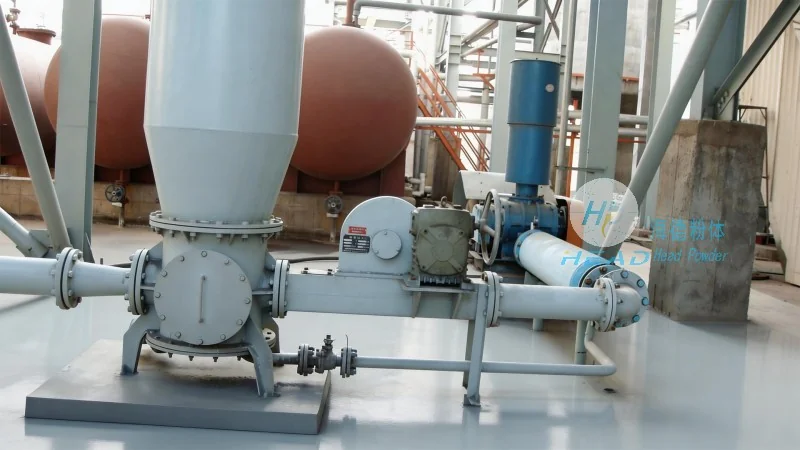
The core components of a pneumatic conveying system for beer brewery sludge typically include a hopper for material storage, a feeder to control the flow rate, a conveying line (usually made of metal or flexible tubing), a separator to separate the material from the air, and a collection tank. The hopper is designed to hold the sludge, often with a sloped bottom to facilitate material discharge. The feeder, which can be a rotary valve or a screw feeder, ensures a consistent and controlled flow of sludge into the conveying line. The conveying line is the primary pathway for transporting the sludge, and its design (e.g., diameter, length, and material) is critical to maintaining system efficiency and preventing blockages. The separator, such as a cyclone or a bag filter, removes the sludge from the air stream, allowing the air to be recycled or vented. Finally, the collection tank stores the conveyed sludge for further processing or disposal.
Operational Principles and Material Considerations
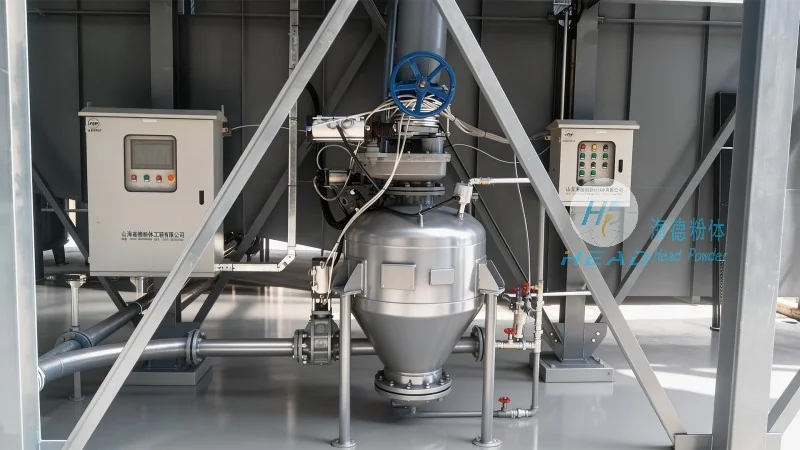
Pneumatic conveying systems operate on the principle of using air to transport solid materials. In the case of beer brewery sludge, which is often a fine, moist, and abrasive material, the system must be designed to handle these characteristics effectively. The sludge's moisture content and particle size distribution significantly impact the conveying efficiency. For example, higher moisture content can lead to caking or blockages, while fine particles may require higher air velocities to prevent settling. The system's design must account for these factors, including the selection of appropriate air pressure (usually ranging from low to medium pressure, depending on the distance and material characteristics) and the use of appropriate air filters to prevent contamination of the conveying line.
Advantages of Pneumatic Conveying for Brewery Sludge Management
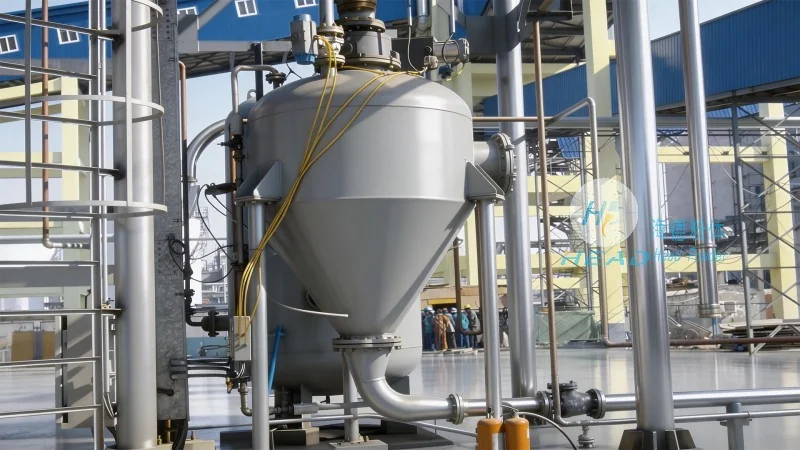
Implementing a pneumatic conveying system for beer brewery sludge offers several advantages over traditional methods, such as gravity or mechanical conveying. One of the primary benefits is the ability to transport materials over long distances without the need for multiple transfer points or equipment. This reduces the risk of material degradation and contamination, as the sludge remains in a closed system. Additionally, pneumatic conveying systems are generally more hygienic and easier to clean, which is essential in food processing environments. The systems also provide better control over the flow rate and material handling, allowing for more precise management of the sludge. Furthermore, the use of compressed air as the conveying medium can be more energy-efficient than mechanical systems, especially for short to medium distances. These advantages make pneumatic conveying an attractive option for breweries looking to optimize their sludge management processes.
Application Examples and Case Studies
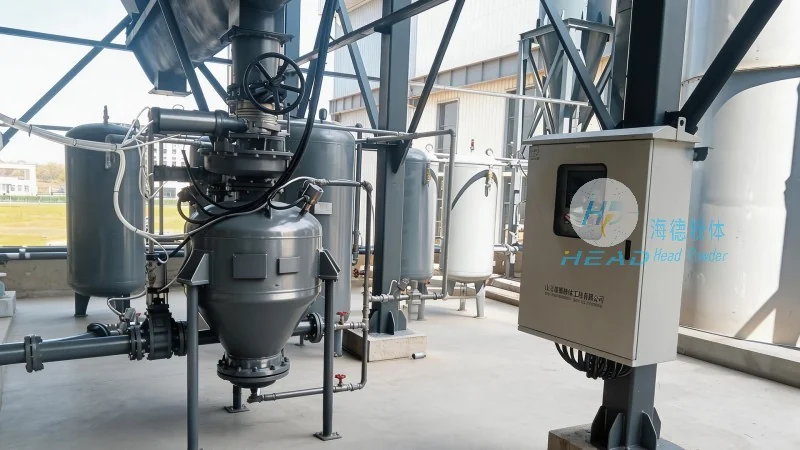
Many breweries worldwide have successfully implemented pneumatic conveying systems for their sludge management. For instance, a large-scale brewery in China, operated by Shandong HeadPowder Engineering Co., Ltd., utilizes a custom-designed pneumatic conveying system to transport spent grain and sludge from the brewing tanks to a central processing facility. The system, which includes a hopper with a capacity of 10 cubic meters, a rotary valve feeder, and a 200-meter conveying line, has significantly improved the efficiency of their sludge handling operations. The system operates at a pressure of 0.6 MPa and achieves a conveying rate of 5 tons per hour, reducing the time and labor required for manual handling. Another example is a craft brewery in Europe that implemented a low-pressure pneumatic conveying system to transport their sludge to a local composting facility. The system, which uses flexible tubing and a cyclone separator, has enabled the brewery to reduce its waste disposal costs by 30% and improve its environmental sustainability.
Conclusion and Recommendations
Pneumatic conveying systems are a highly effective solution for managing beer brewery sludge, offering improved efficiency, hygiene, and environmental performance compared to traditional methods. The success of such systems depends on careful design and selection of components, taking into account the specific characteristics of the sludge and the operational requirements of the brewery. For breweries considering the implementation of a pneumatic conveying system, it is recommended to work with experienced engineering companies, such as Shandong HeadPowder Engineering Co., Ltd., which specializes in designing and manufacturing customized solutions for the brewing industry. By investing in a well-designed pneumatic conveying system, breweries can optimize their sludge management processes, reduce operational costs, and enhance their overall sustainability.