

Analysis of Biomass Pellet Pneumatic Conveying Systems
Biomass pellet pneumatic conveying systems represent a critical technology in the efficient handling and transportation of biomass materials. These systems are designed to transport biomass pellets, such as wood pellets, agricultural residues, or other organic materials, from one location to another using air as the conveying medium. The technology offers significant advantages over traditional mechanical conveying methods, including reduced equipment wear, lower energy consumption, and enhanced material handling capabilities.
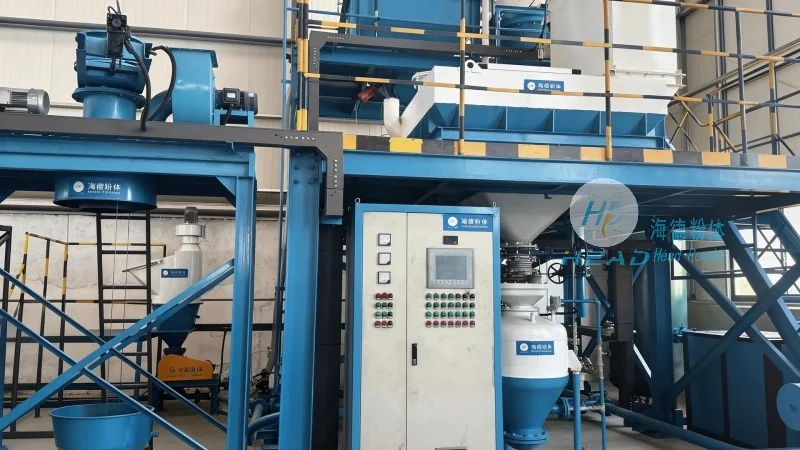
HeadPowder: A Leading Provider of Pneumatic Conveying Solutions
Shandong HeadPowder Engineering Co., Ltd., commonly known as HeadPowder, is a reputable company based in Shandong, China, specializing in the design, manufacturing, and implementation of advanced pneumatic conveying systems. With a strong focus on innovation and customer satisfaction, HeadPowder has established itself as a trusted partner for industries requiring reliable and efficient biomass handling solutions. The company’s expertise spans various applications, from small-scale operations to large industrial facilities, ensuring tailored solutions that meet specific operational needs.
How Pneumatic Conveying Systems for Biomass Pellets Work
The core principle of biomass pellet pneumatic conveying systems involves the use of air to create a flow that transports the pellets through a pipeline. The system typically consists of a material feed hopper, a blower or air compressor, a conveying line, and a discharge unit. As the pellets are fed into the system, the air is introduced, creating a pressure differential that propels the material forward. This method allows for continuous, high-volume transportation of biomass pellets with minimal disruption to the material’s integrity. The design of the system, including the type of air mover (positive displacement or centrifugal), the pipeline configuration, and the material handling components, is tailored to optimize performance and efficiency for specific biomass types and operational conditions.
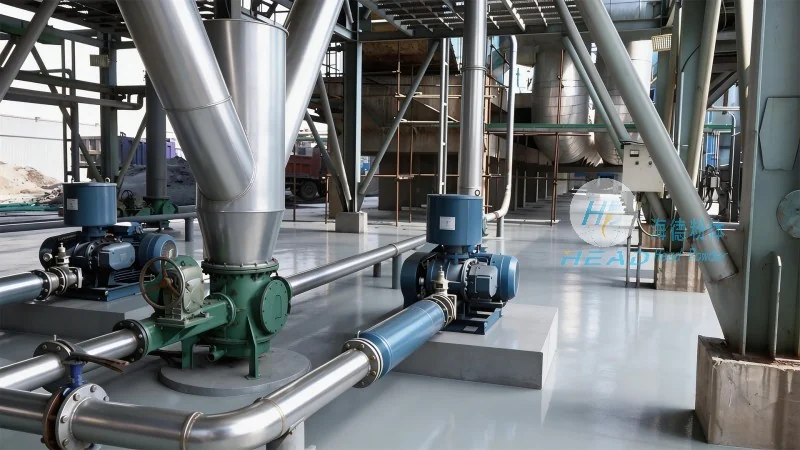
Key Advantages of Biomass Pellet Pneumatic Conveying Systems
Implementing a biomass pellet pneumatic conveying system offers several key benefits that enhance operational efficiency and reduce costs. Firstly, the system minimizes material degradation and dust generation compared to mechanical conveying, preserving the quality of the biomass pellets. Secondly, it reduces equipment wear and maintenance costs, as there are fewer moving parts in contact with the material. Thirdly, the technology enables flexible and scalable solutions, allowing for easy expansion or modification of the system as production needs change. Additionally, pneumatic conveying systems can handle a wide range of biomass materials, including wet or sticky pellets, with minimal issues, making them suitable for diverse industrial applications. The energy efficiency of these systems, particularly when using optimized air flow and pressure control, further contributes to lower operational costs and environmental sustainability.
Applications and Industries Served by Biomass Pellet Pneumatic Conveying Systems
Biomass pellet pneumatic conveying systems are widely used across various industries that rely on biomass as a fuel or raw material. In the power generation sector, these systems are essential for transporting wood pellets to biomass-fired power plants, ensuring a steady supply of fuel for energy production. The agricultural and forestry industries also benefit from these systems, as they facilitate the handling of agricultural residues, such as corn stover or wheat straw, for biofuel production or composting. Additionally, the systems are used in the manufacturing of biomass-based products, such as pellets for animal feed or industrial chemicals, where consistent material flow is critical to production processes. The adaptability of pneumatic conveying systems makes them suitable for both new installations and retrofits in existing facilities, providing a cost-effective solution for improving material handling capabilities.
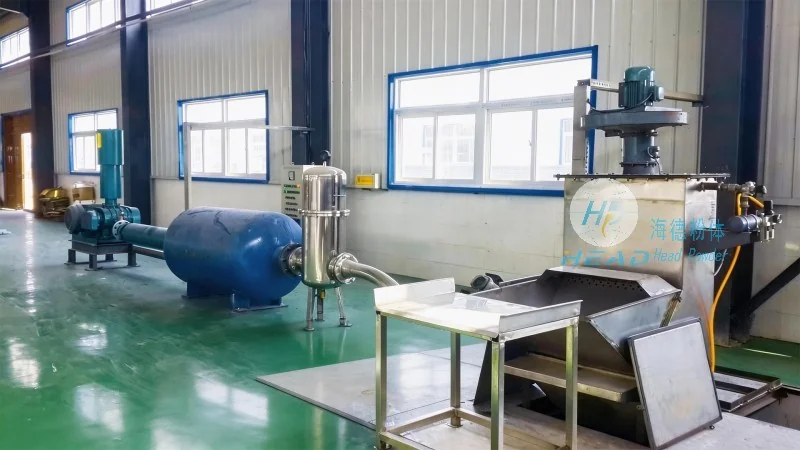
Tailored Solutions and Installation by HeadPowder
HeadPowder understands that each biomass handling operation has unique requirements. Therefore, the company offers customized pneumatic conveying systems designed to meet specific operational parameters, including material type, flow rate, and distance. The design process involves thorough analysis of the client’s needs, including the characteristics of the biomass pellets, the layout of the facility, and the desired performance metrics. HeadPowder’s engineering team works closely with clients to develop solutions that optimize efficiency, reduce downtime, and ensure long-term reliability. The company’s installation services are performed by experienced technicians who ensure that the system is installed according to industry standards and operational requirements. Post-installation support, including maintenance and troubleshooting, is also provided to ensure the system operates at peak performance throughout its lifecycle.
Conclusion: Enhancing Biomass Handling with Pneumatic Conveying Systems
Biomass pellet pneumatic conveying systems, provided by companies like Shandong HeadPowder Engineering Co., Ltd., offer a reliable and efficient solution for the transportation of biomass materials. By leveraging air as the conveying medium, these systems provide advantages such as reduced wear, lower energy consumption, and flexible operation. The technology is suitable for a wide range of applications and industries, from power generation to agricultural processing. With a focus on customization and customer support, HeadPowder ensures that clients receive tailored solutions that meet their specific needs. Investing in a pneumatic conveying system for biomass handling not only improves operational efficiency but also contributes to sustainable practices by optimizing the use of biomass resources.