

What is PFA Material Handling? Understanding Its Design Principles
When discussing advanced material handling solutions, Polyvinylidene Fluoride (PFA) stands out as a critical component in various industrial applications. PFA, a fluoropolymer known for its exceptional chemical resistance, thermal stability, and flexibility, is widely used in the design of specialized material handling systems. These systems are engineered to transport and process materials efficiently while maintaining high standards of performance and durability. The following article delves into the fundamental aspects of PFA material handling, exploring its design principles and the technical considerations that underpin its effective implementation.
Company Profile: Shandong HeadPowder Engineering Co., Ltd.
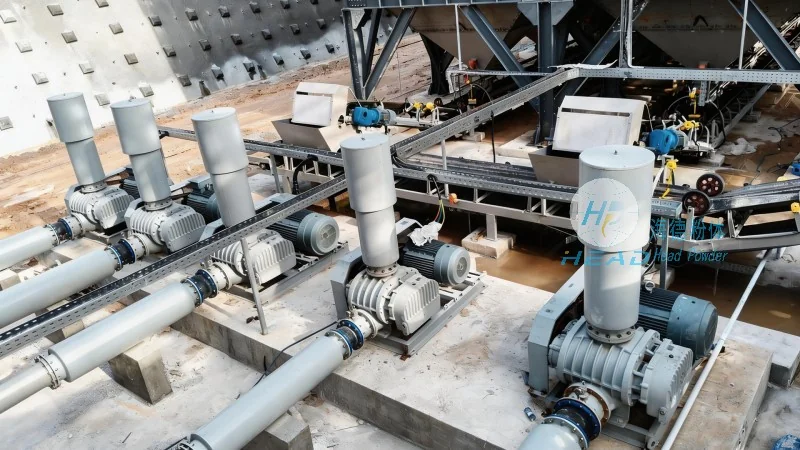
At the heart of innovative PFA material handling solutions is Shandong HeadPowder Engineering Co., Ltd., a leading manufacturer based in China. With a strong commitment to quality and technical excellence, HeadPowder specializes in the design, development, and production of high-performance PFA components and systems. The company's expertise spans across various industries, including chemical processing, pharmaceuticals, and semiconductor manufacturing, where reliable material handling is paramount. HeadPowder's facilities, located in Shandong, China, leverage advanced manufacturing technologies and rigorous quality control measures to ensure that every product meets the stringent requirements of modern industrial applications.
Understanding PFA Material Handling
PFA material handling systems are engineered to address the unique challenges of transporting and processing materials in environments where conventional materials may fail. PFA's unique properties, such as its resistance to a wide range of chemicals, high temperature tolerance (up to 260°C), and low friction coefficients, make it an ideal choice for applications involving aggressive substances, high-temperature processes, or demanding operating conditions. These systems typically include components like hoses, pipes, valves, and fittings, all fabricated from PFA to ensure consistent performance and longevity. The design of PFA material handling systems focuses on optimizing flow efficiency, minimizing material degradation, and ensuring safe operation under various stress conditions.
Key Design Principles of PFA Material Handling
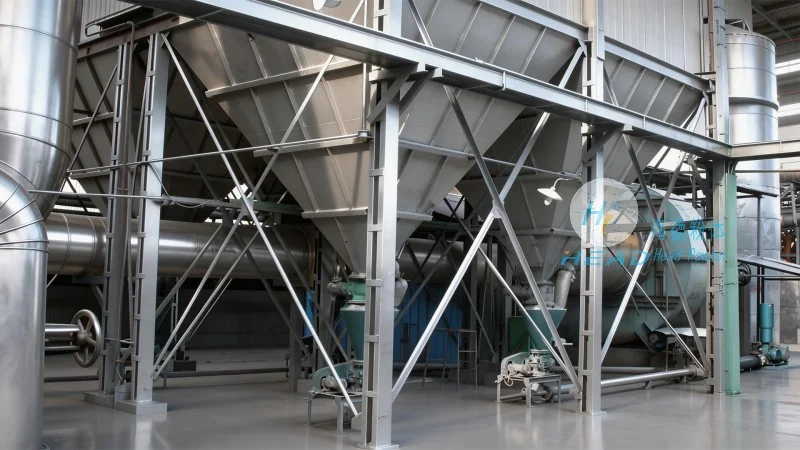
The design of PFA material handling systems is guided by several critical principles that ensure optimal performance and reliability. First, the system must be chemically compatible with the materials being handled. PFA's resistance to acids, bases, and solvents makes it suitable for a broad range of applications, from corrosive chemical transport to food processing. Second, thermal stability is a key consideration. PFA can withstand continuous exposure to temperatures up to 260°C, making it ideal for high-temperature processes like polymerization or distillation. Third, mechanical integrity is essential. PFA components are designed to maintain their structural integrity under pressure and vibration, reducing the risk of leaks or failures. Fourth, flexibility and durability are prioritized. PFA's flexibility allows for easy installation in complex layouts, while its resistance to wear and tear ensures long service life. These principles collectively contribute to the effectiveness and reliability of PFA material handling systems.
Applications of PFA Material Handling Systems
PFA material handling systems find applications in diverse industries, each benefiting from PFA's unique properties. In the chemical industry, PFA is used to transport corrosive chemicals, such as acids and solvents, without degradation. In pharmaceutical manufacturing, PFA components ensure that materials are handled in a sterile and contamination-free environment, meeting stringent regulatory standards. The semiconductor industry also relies on PFA for transporting high-purity gases and liquids, where purity and chemical resistance are critical. Additionally, PFA material handling systems are used in food processing and aerospace applications, where safety, durability, and compliance with industry standards are paramount. The versatility of PFA makes it a preferred material for a wide range of material handling tasks across different sectors.
Technical Considerations in PFA Material Handling Design
Designing PFA material handling systems requires careful consideration of several technical factors to ensure optimal performance. One of the primary considerations is the selection of appropriate PFA grades based on the specific application requirements. Different PFA grades offer varying levels of chemical resistance, temperature tolerance, and mechanical strength, allowing engineers to choose the most suitable material for each task. Another critical factor is the system's pressure rating. PFA components are available in various pressure classes, and the design must ensure that the system operates within the safe pressure limits to prevent leaks or failures. Flow rate and velocity are also important considerations, as excessive flow rates can cause wear and tear on PFA components, reducing their lifespan. Additionally, the system's compatibility with other materials and components must be evaluated to ensure that PFA does not react adversely with other parts of the system. Proper sealing and joint design are essential to maintain the integrity of the PFA system and prevent material leakage. These technical considerations are crucial in developing reliable and efficient PFA material handling solutions.
Advantages of PFA Material Handling Systems
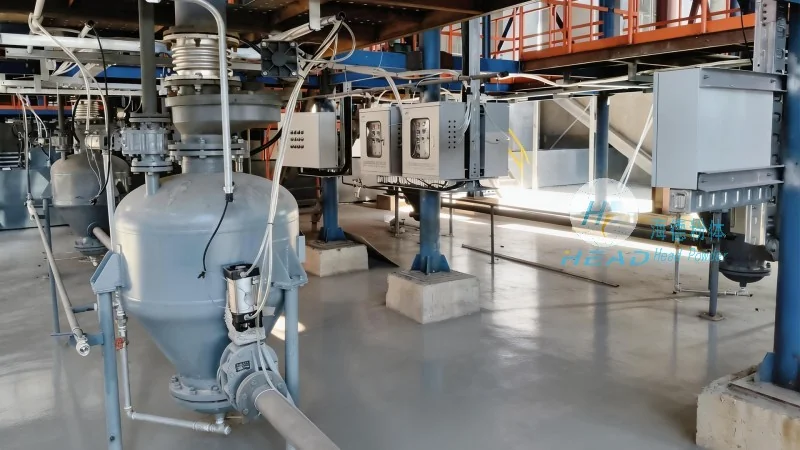
PFA material handling systems offer several advantages over traditional materials like PVC or rubber. The primary advantage is PFA's superior chemical resistance, which allows it to handle a wide range of aggressive substances without degradation. This reduces the need for frequent system replacements and maintenance, leading to lower operational costs. Another significant advantage is PFA's high temperature tolerance, enabling it to operate in environments where other materials would fail. This makes PFA ideal for high-temperature processes, such as those in the chemical and semiconductor industries. PFA's flexibility and durability also contribute to its effectiveness, as it can withstand repeated bending and flexing without losing its structural integrity. The low friction coefficient of PFA reduces energy consumption and wear on system components, further enhancing efficiency. Additionally, PFA's resistance to UV radiation and weathering makes it suitable for outdoor applications, where other materials may degrade over time. These advantages make PFA material handling systems a preferred choice for industries seeking reliable, long-lasting, and cost-effective solutions.
Conclusion
PFA material handling systems represent a sophisticated solution for transporting and processing materials in demanding industrial environments. The design principles and technical considerations outlined in this article highlight the importance of leveraging PFA's unique properties to achieve optimal performance and reliability. With its exceptional chemical resistance, thermal stability, and durability, PFA offers a superior alternative to traditional materials in many applications. As industries continue to seek more efficient and reliable material handling solutions, PFA will remain a critical component in the development of advanced systems. Shandong HeadPowder Engineering Co., Ltd. plays a vital role in advancing PFA material handling technology, providing high-quality components and systems that meet the evolving needs of modern industries. By understanding the design principles and technical aspects of PFA material handling, engineers and manufacturers can make informed decisions to enhance operational efficiency and ensure long-term success in their respective fields.