

What is Polypropylene Granule Material Handling? And What Are the Design Principles?
Understanding polypropylene granule material handling is crucial for industries that rely on efficient and reliable transport of this common plastic material. Polypropylene (PP) granules are widely used in manufacturing processes due to their versatility and cost-effectiveness. The design principles behind handling these granules involve several key factors that ensure safety, efficiency, and durability in material transport systems.
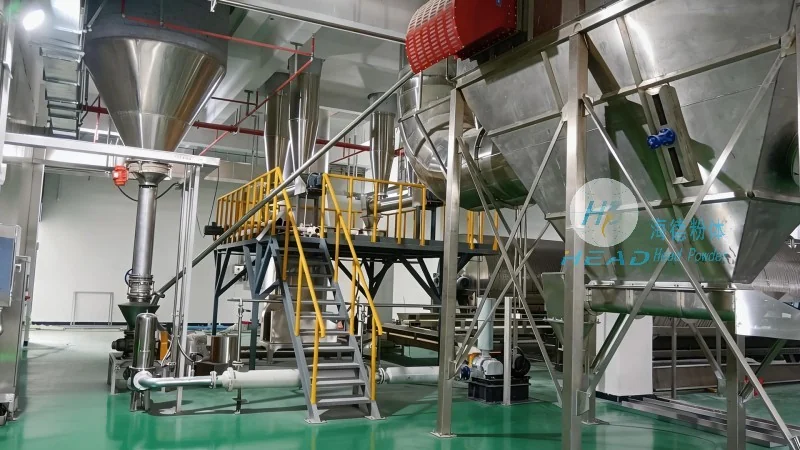
Polypropylene Granule Material Handling Overview
Polypropylene granules are small, solid plastic particles typically used as raw material in various industrial applications. These granules are often produced through processes like extrusion and pelletizing. The material handling of polypropylene granules involves transporting these small particles from storage to processing equipment, such as extruders or injection molding machines. Effective handling systems are essential to maintain the quality of the granules and prevent contamination or degradation during transport.
Key Design Principles for Polypropylene Granule Transport
The design of polypropylene granule material handling systems focuses on several critical aspects. First, the system must ensure minimal friction and abrasion to prevent damage to the granules. This is achieved through the use of smooth, non-stick surfaces and appropriate conveyor materials. Second, the system should maintain consistent flow rates to avoid overloading or underloading of processing equipment. This is typically managed through the use of variable speed drives and flow control devices. Third, the design must incorporate proper sealing and dust containment measures to prevent environmental contamination and ensure worker safety. Additionally, the system should be designed for easy maintenance and cleaning to maintain hygiene standards, which is particularly important in food and medical applications where polypropylene is used.
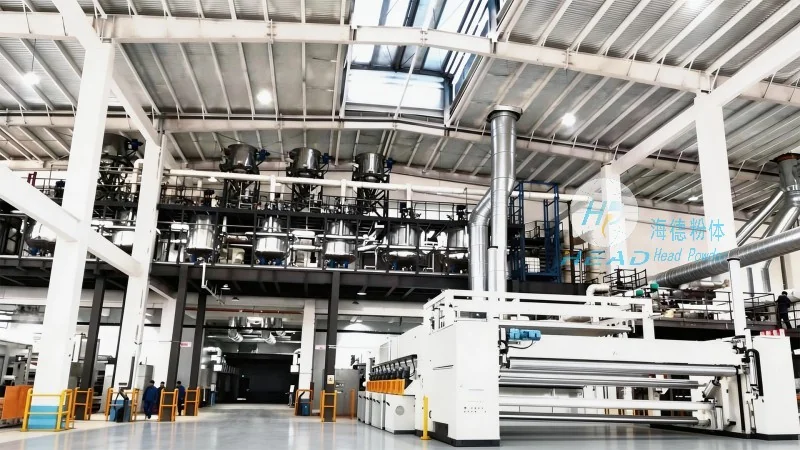
Components of a Polypropylene Granule Handling System
A typical polypropylene granule handling system includes several components that work together to ensure efficient transport. These components may include hoppers or silos for storage, conveyor belts or screw conveyors for horizontal transport, elevators or vertical conveyors for vertical movement, and feeders or metering devices to control the flow rate. The choice of components depends on the specific application and the volume of material being handled. For example, screw conveyors are commonly used for horizontal transport due to their ability to handle a wide range of materials and their compact design. Vertical conveyors, such as bucket elevators or chain conveyors, are used for vertical transport to move granules from lower to higher levels. Feeders, such as rotary valves or vibratory feeders, are used to regulate the flow of granules from the storage hopper to the processing equipment, ensuring a consistent and controlled feed rate.
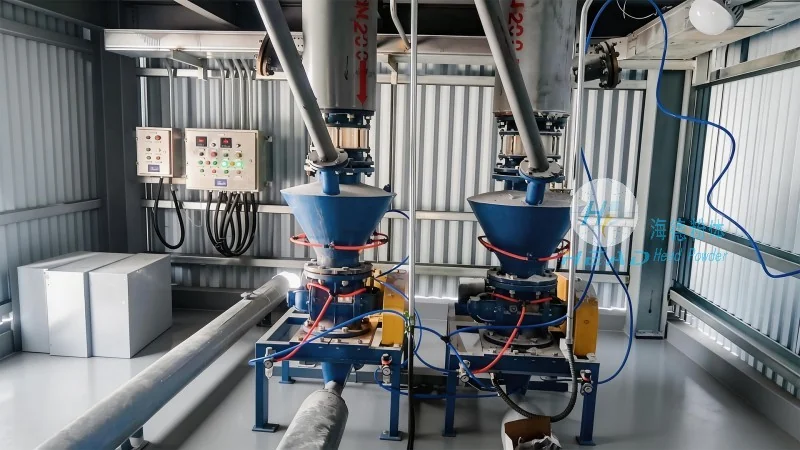
Material Selection and System Durability
When designing a polypropylene granule handling system, the selection of materials for the components is critical. The materials used must be resistant to the chemical properties of polypropylene and must not cause contamination. Common materials for conveyor components include stainless steel, polyethylene, and food-grade plastics. These materials are chosen for their durability, resistance to wear and tear, and ability to maintain the purity of the granules. The system must also be designed to withstand the abrasive nature of polypropylene granules, which can cause wear on metal surfaces over time. Regular maintenance and replacement of worn parts are essential to ensure the long-term performance and reliability of the handling system.
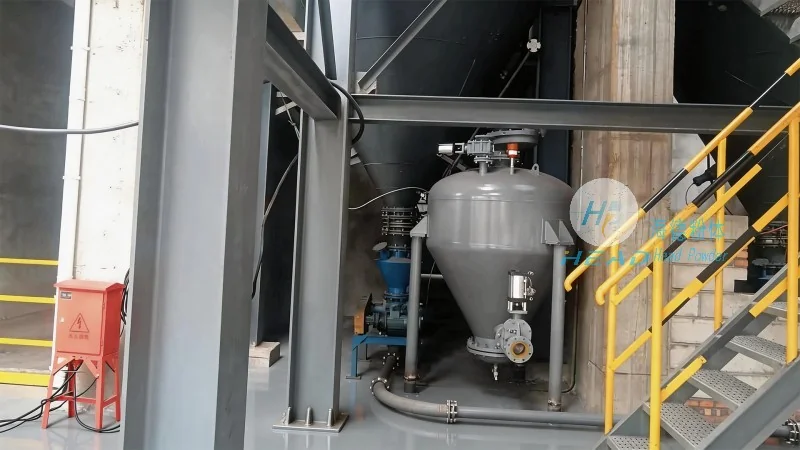
Application-Specific Considerations
The design of polypropylene granule handling systems varies depending on the specific application. For example, in the automotive industry, where polypropylene is used in interior components, the handling system must be designed to maintain high purity standards and prevent contamination from other materials. In the packaging industry, the system may need to handle larger volumes of granules and incorporate features for easy integration with existing production lines. In the medical industry, the handling system must meet strict hygiene and safety regulations, including the use of sealed and sterilizable components. Each application requires a tailored approach to ensure that the handling system meets the specific needs of the industry and the product being manufactured.
Conclusion
Effective polypropylene granule material handling is essential for industries that rely on this versatile plastic material. The design principles behind these systems focus on efficiency, durability, and safety. By carefully selecting the right components and materials, and considering the specific application requirements, manufacturers can develop reliable handling systems that ensure the quality and purity of polypropylene granules throughout the production process. Companies like Shandong HeadPowder Engineering Co., Ltd., based in China, specialize in designing and manufacturing such material handling systems, providing customized solutions to meet the diverse needs of various industries.