

What is Synthetic Rubber Material Handling? And What Are the Design Principles?
For industries dealing with synthetic rubber, efficient material handling is crucial for maintaining production efficiency and product quality. Synthetic rubber material handling involves the processes of transporting, storing, and managing rubber materials throughout the manufacturing and processing stages. This article explores the key aspects of synthetic rubber material handling and the underlying design principles that ensure optimal performance.
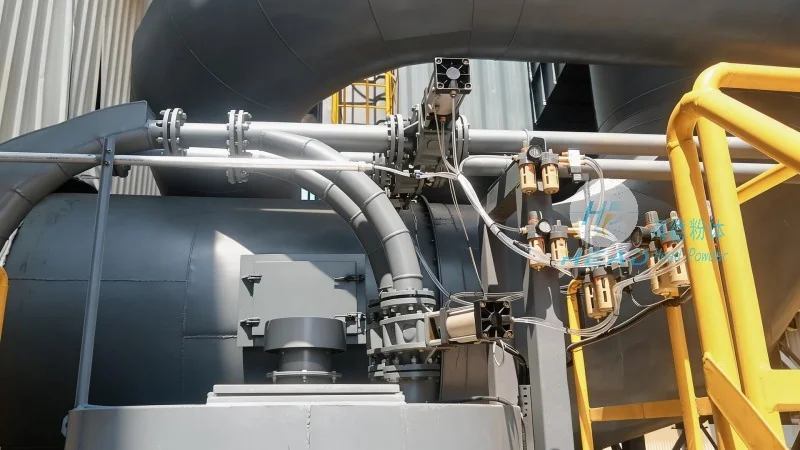
About HeadPowder Engineering
HeadPowder, or Shandong HeadPowder Engineering Co., Ltd., is a leading provider of specialized equipment and solutions for material handling in various industrial sectors. With a focus on innovation and precision engineering, the company has established itself as a trusted partner for businesses seeking reliable solutions for synthetic rubber material handling. HeadPowder’s expertise lies in designing and manufacturing equipment that meets the unique demands of the rubber industry, ensuring durability, efficiency, and safety in material handling operations.
Design Principles for Synthetic Rubber Material Handling Systems
The design of synthetic rubber material handling systems follows several key principles to ensure effective and safe operation. First, material compatibility is critical. Synthetic rubber materials, such as natural or synthetic polymers, have specific properties that require equipment designed to handle their characteristics, including flexibility, elasticity, and potential stickiness. HeadPowder’s engineers consider these properties when selecting materials for conveyor belts, hoppers, and other components to prevent degradation or damage to the rubber.
Second, the system must prioritize efficiency and throughput. In rubber manufacturing, time is often a critical factor, as delays can impact production schedules and customer orders. The design principles focus on minimizing downtime and maximizing the speed of material movement. This includes optimizing conveyor belt speeds, ensuring smooth transitions between handling stages, and implementing automated controls to streamline operations. HeadPowder’s solutions are engineered to enhance productivity, allowing manufacturers to handle larger volumes of synthetic rubber while maintaining consistent quality.
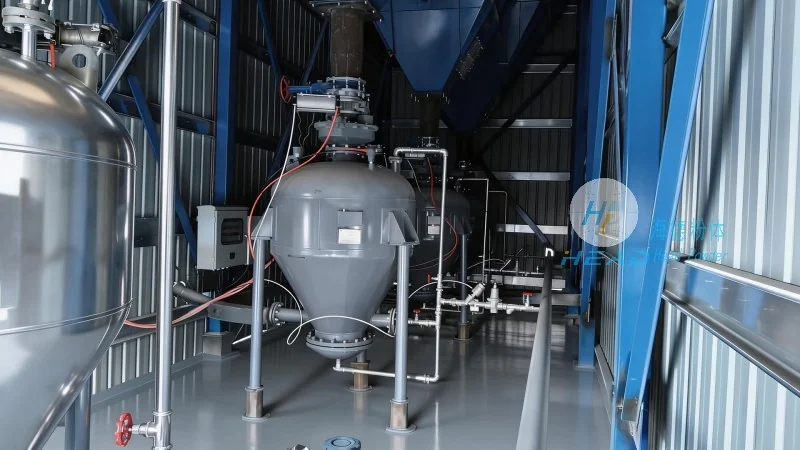
Third, safety and ergonomics are paramount. Handling synthetic rubber materials can involve heavy loads and potentially hazardous environments. The design principles incorporate safety features such as reinforced structures, proper load distribution, and user-friendly controls to minimize the risk of accidents. Ergonomic considerations are also addressed to reduce operator fatigue and improve overall workplace safety. HeadPowder’s equipment is designed with these safety standards in mind, ensuring compliance with industry regulations and providing a secure working environment.
Fourth, durability and longevity are essential for long-term operational success. Synthetic rubber material handling systems are subject to continuous use and exposure to various environmental factors, including temperature fluctuations and chemical exposure. The design principles emphasize the use of high-quality materials and robust construction to withstand these conditions. HeadPowder’s equipment is built to last, with components that are resistant to wear, corrosion, and degradation, reducing the need for frequent maintenance and replacement. This not only lowers operational costs but also ensures consistent performance over the equipment’s lifespan.
Key Components in Synthetic Rubber Material Handling
Effective synthetic rubber material handling relies on several key components that work together to facilitate smooth operations. The primary components include conveyor systems, such as belt conveyors and screw conveyors, which transport rubber materials from one stage to another. HeadPowder’s conveyor systems are designed with durable materials, such as food-grade or industrial-grade rubber, to handle the specific properties of synthetic rubber without compromising performance.
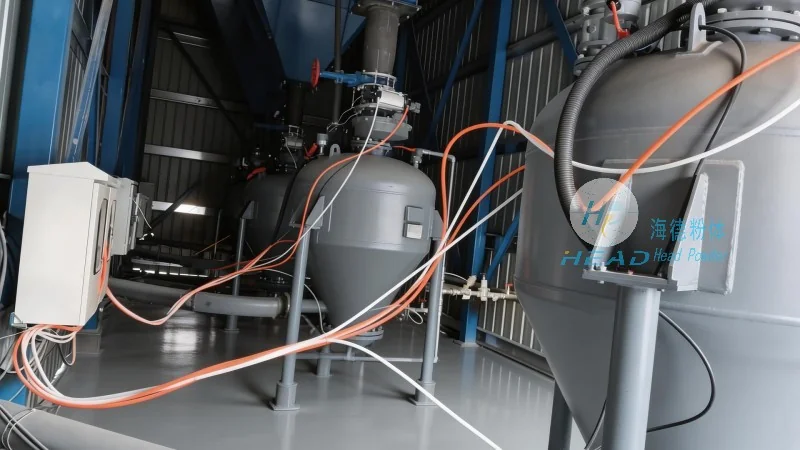
Another critical component is the storage and feeding equipment, such as hoppers and feeders. These systems ensure that rubber materials are stored and released in a controlled manner, preventing blockages and maintaining consistent flow rates. HeadPowder’s hoppers are designed with sloped walls and proper discharge mechanisms to prevent material buildup and ensure smooth feeding into processing equipment.
Control systems and automation play a vital role in modern synthetic rubber material handling. These systems allow for real-time monitoring of material flow, speed adjustments, and error detection, enhancing operational efficiency and reducing human error. HeadPowder integrates advanced control technologies into its equipment, enabling manufacturers to optimize their material handling processes and adapt to changing production demands.
Conclusion
Synthetic rubber material handling is a complex process that requires careful consideration of material properties, operational efficiency, safety, and durability. The design principles outlined above provide a framework for creating effective material handling systems that meet the demands of the rubber industry. HeadPowder Engineering, with its expertise and commitment to quality, offers tailored solutions that address these principles, ensuring reliable and efficient synthetic rubber material handling for businesses worldwide. By leveraging the company’s innovative designs and robust equipment, manufacturers can enhance their production processes, improve product quality, and maintain a competitive edge in the market.