

What is Calcium Nitrite Material Handling? What are the Design Principles?
Calcium nitrite is a chemical compound widely used in various industrial applications, particularly in the production of concrete additives and as a corrosion inhibitor. Efficient material handling of calcium nitrite is crucial for maintaining product quality and ensuring safe operation in processing facilities. This article explores the key aspects of calcium nitrite material handling, including the design principles that underpin effective systems for transporting and storing this compound.
Understanding Calcium Nitrite
Before delving into material handling, it's essential to understand the properties of calcium nitrite. Calcium nitrite (Ca(NO₂)₂) is a white to off-white crystalline solid that is hygroscopic, meaning it readily absorbs moisture from the air. It is also soluble in water and has a relatively high melting point, which influences how it behaves during handling and storage. These characteristics affect the choice of equipment and materials used in the design of material handling systems. The chemical stability of calcium nitrite is another critical factor, as it can decompose under certain conditions, releasing nitrogen oxides and other gases. Proper handling and storage are therefore vital to prevent degradation and ensure the compound remains effective for its intended applications.
Key Design Principles for Calcium Nitrite Material Handling
The design of calcium nitrite material handling systems follows several fundamental principles aimed at safety, efficiency, and product integrity. First, containment and leak prevention are paramount due to the potential hazards associated with calcium nitrite, including its reactivity with acids and its ability to generate toxic gases if decomposed. Systems are typically designed with sealed components and double-walled vessels to minimize the risk of spills or leaks. Second, the use of corrosion-resistant materials is essential, as calcium nitrite can be corrosive to certain metals. Stainless steel, polyethylene, and other non-reactive materials are commonly used for piping, tanks, and storage containers to ensure long-term durability and prevent contamination. Third, proper ventilation and gas detection systems are integrated into the design to monitor for the presence of nitrogen oxides or other hazardous byproducts. This ensures that any potential leaks are detected early and appropriate safety measures are activated. Fourth, the system is engineered to minimize the generation of dust, as calcium nitrite is a fine powder that can become airborne and pose respiratory hazards. Dust collection systems and enclosed handling equipment are employed to maintain a safe working environment and prevent dust accumulation in the facility.
Equipment Used in Calcium Nitrite Material Handling
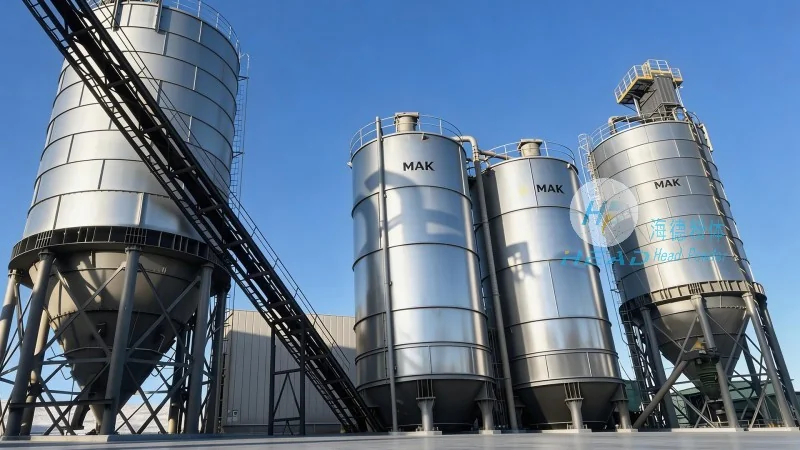
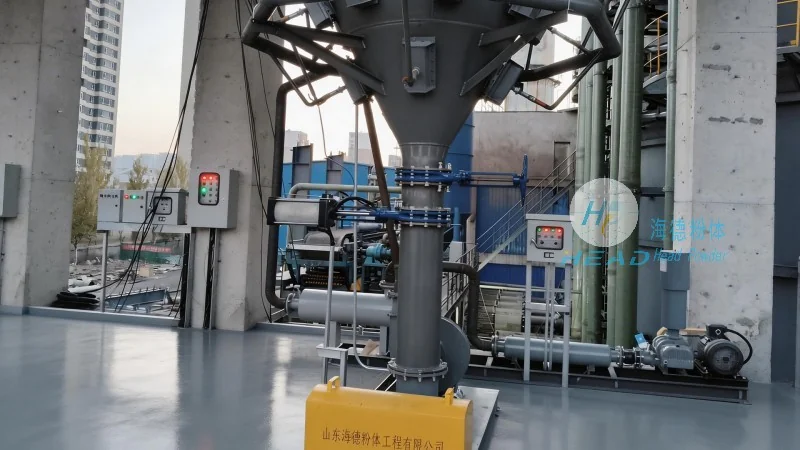
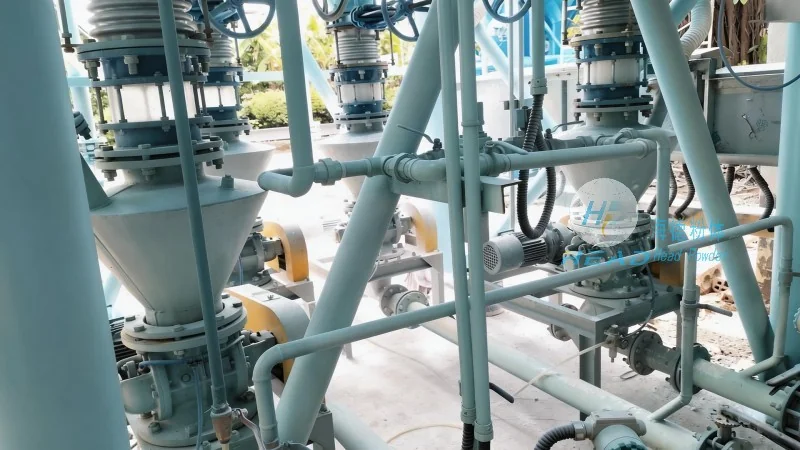
Several types of equipment are commonly used in calcium nitrite material handling systems, each designed to address specific challenges. For bulk storage, silos or storage tanks are employed, often equipped with agitators to prevent caking and ensure uniform material flow. These storage vessels are typically made of corrosion-resistant materials and are fitted with level indicators and pressure relief valves to monitor and control the contents. When transferring calcium nitrite from storage to processing areas, conveyors such as belt conveyors or screw conveyors are used. These systems are designed to handle the hygroscopic nature of the material by maintaining a controlled environment, often with heating elements to prevent moisture absorption. Pumps, particularly those made of stainless steel or other non-reactive materials, are used for liquid or slurry applications, ensuring smooth and safe transfer without causing degradation of the compound. For smaller quantities or in processing lines, manual handling equipment like hoppers and chutes may be used, but these are typically enclosed to minimize dust exposure and ensure operator safety.
Process Flow and System Integration
The material handling process for calcium nitrite typically involves several stages, each designed to ensure efficient and safe operation. The process begins with the receipt of raw material, where it is stored in bulk silos or containers. From there, the material is transferred to processing equipment using conveyors or pumps. During this transfer, the system may include drying or conditioning steps to control moisture content, as excess moisture can affect the material's properties and handling characteristics. The processed calcium nitrite is then packaged for distribution, often in sealed containers to maintain its quality and prevent contamination. The entire system is integrated with monitoring and control equipment, such as sensors for level, temperature, and pressure, to ensure that each step of the process is optimized and any deviations are immediately detected and corrected. This integration of equipment and controls is critical for maintaining product consistency and operational safety.
Safety and Regulatory Considerations
Given the potential hazards associated with calcium nitrite, safety is a top priority in material handling systems. Regulatory bodies, such as the Occupational Safety and Health Administration (OSHA) and the Environmental Protection Agency (EPA), have established guidelines for handling hazardous chemicals, including calcium nitrite. These regulations mandate the use of proper personal protective equipment (PPE), such as gloves, goggles, and respirators, for operators handling the material. The design of the system must also comply with local and national regulations regarding containment, ventilation, and waste disposal. Regular maintenance and inspection of the equipment are required to ensure that the system remains in good working condition and that all safety features are functional. Training for operators on the safe handling of calcium nitrite is also essential, as they must be aware of the potential risks and know how to respond in case of an emergency, such as a spill or gas release.
Conclusion
Efficient and safe material handling of calcium nitrite is essential for industrial applications, and the design principles outlined above are critical to achieving this goal. By focusing on containment, corrosion resistance, ventilation, and dust control, material handling systems can effectively manage the challenges posed by calcium nitrite. The use of appropriate equipment and integration of monitoring systems further enhances the safety and efficiency of the process. As a leading provider of engineering solutions, Shandong HeadPowder Engineering Co., Ltd. specializes in designing and implementing such systems, ensuring that clients can handle calcium nitrite with confidence and compliance. With a commitment to quality and safety, HeadPowder provides tailored solutions that meet the specific needs of each industrial application, supporting the effective and responsible use of calcium nitrite in various industries.