

What is Dry Soybean Material Conveying? What Are the Design Principles?
When it comes to processing agricultural products, the efficient handling and transportation of raw materials like dry soybeans is crucial for optimizing production workflows. Dry soybean material conveying systems are specialized equipment designed to move soybeans from one location to another within a processing facility. These systems play a vital role in ensuring smooth operations, reducing labor costs, and maintaining product quality throughout the handling process.
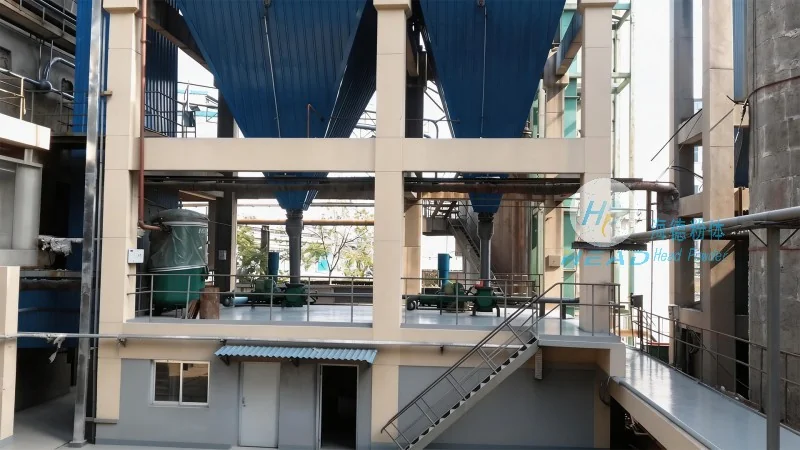
Understanding Dry Soybean Material Conveying Systems
Dry soybean material conveying refers to the process of transporting soybeans in their dry, unprocessed state. This involves using mechanical or pneumatic systems to move the beans from storage areas, silos, or processing units to subsequent stages such as cleaning, crushing, or packaging. The goal is to achieve consistent and reliable movement of the material while minimizing damage or loss.
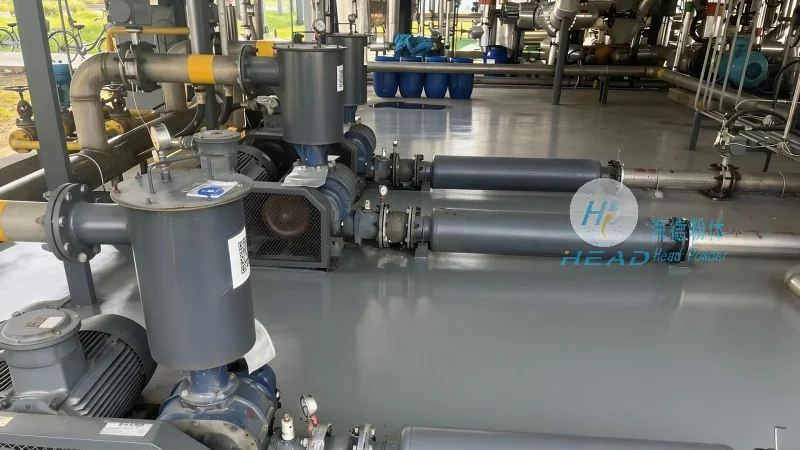
Key Design Principles for Efficient Soybean Handling
The design of dry soybean material conveying systems is based on several critical principles to ensure optimal performance. These principles include material flow optimization, equipment durability, and energy efficiency. Engineers and manufacturers consider factors like soybean size, moisture content, and bulk density when designing the system to ensure it can handle the specific characteristics of the material. For instance, the system must be able to handle varying loads without clogging or causing excessive wear on components.
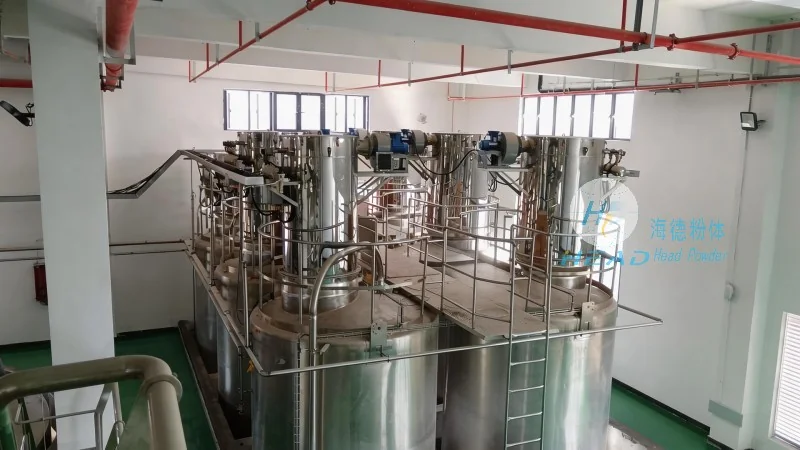
Components and Mechanisms in Dry Soybean Conveying Equipment
Dry soybean conveying equipment typically consists of several key components. These may include hoppers for material storage, conveyor belts or screw conveyors for horizontal movement, and vertical elevators for vertical transport. Pneumatic conveying systems, which use air pressure to move the beans, are also common in certain applications. Each component is engineered to work in harmony, ensuring that the soybeans are moved smoothly and without damage. For example, the use of rubber or metal belts in horizontal conveyors helps prevent the soybeans from being crushed or broken during transport.
Applications and Benefits of Dry Soybean Conveying Solutions
Dry soybean material conveying solutions are widely used in various industries, including food processing, animal feed production, and biofuel manufacturing. The primary benefits of these systems include increased operational efficiency, reduced labor requirements, and improved product quality. By automating the material handling process, companies can achieve higher throughput and lower operational costs. Additionally, these systems help maintain the integrity of the soybeans, which is essential for downstream processing steps such as oil extraction or protein separation.
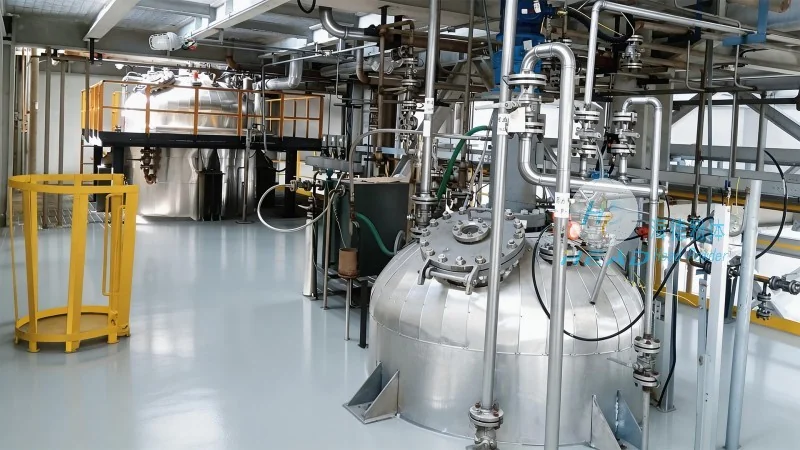
About HeadPowder Engineering Co., Ltd.
HeadPowder Engineering Co., Ltd., a leading manufacturer based in Shandong, China, specializes in the design and production of advanced material handling equipment for agricultural and industrial applications. With years of experience in the field, the company has developed a range of high-quality dry soybean conveying systems tailored to meet the specific needs of its clients. HeadPowder Engineering Co., Ltd. is committed to providing reliable, efficient, and durable solutions that enhance productivity and ensure the quality of processed materials. The company's headquarters is located in Shandong, China, where it continues to innovate and improve its product offerings to serve the global market.