

What is Organic Salt Material Handling? What are the Design Principles?
Organic salt material handling refers to the process of transporting and managing organic salt materials, which are commonly used in various industrial applications such as chemical processing, food production, and environmental treatment. This type of material handling involves specialized equipment and systems designed to handle the unique properties of organic salts, including their chemical composition, physical characteristics, and handling requirements. Understanding the design principles behind organic salt material handling is crucial for ensuring efficient, safe, and cost-effective operations in industrial settings.
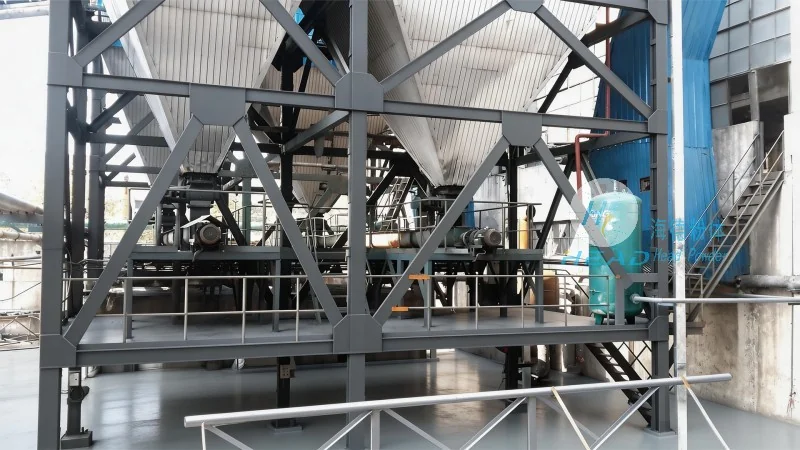
Key Components of Organic Salt Material Handling Systems
The design of organic salt material handling systems typically involves several key components that work together to ensure smooth material flow. These components include feeders, conveyors, storage silos, and control systems. Feeders are used to regulate the flow of organic salt from storage to processing equipment, while conveyors transport the material over longer distances. Storage silos provide bulk storage capacity, allowing for consistent material supply. Control systems monitor and adjust the operation of these components to maintain optimal performance and safety. Each component must be selected and configured based on the specific characteristics of the organic salt being handled, such as its particle size, moisture content, and chemical reactivity.
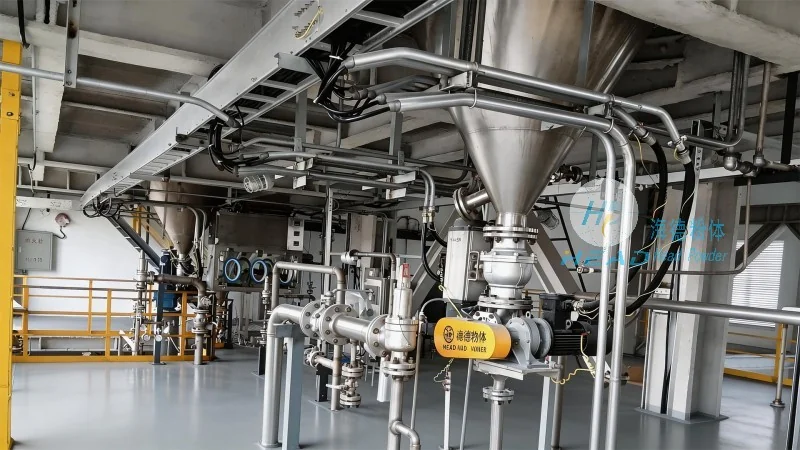
Design Principles for Efficient Organic Salt Handling
Efficient organic salt material handling relies on several fundamental design principles that address the unique challenges of handling these materials. One key principle is the minimization of material degradation during transport. Organic salts can be sensitive to moisture, temperature, and mechanical stress, which can affect their quality and performance. Therefore, the design of handling systems must incorporate features such as moisture-proofing, temperature control, and gentle handling mechanisms to prevent degradation. Another important principle is the prevention of dust generation and inhalation hazards. Organic salts can produce fine dust particles that pose health risks and can cause equipment wear. Design solutions include dust collection systems, enclosed conveyors, and proper ventilation to mitigate these risks. Additionally, the design must consider the need for easy cleaning and maintenance to ensure long-term operational reliability. The use of corrosion-resistant materials and easy-to-access components helps maintain system performance over time.
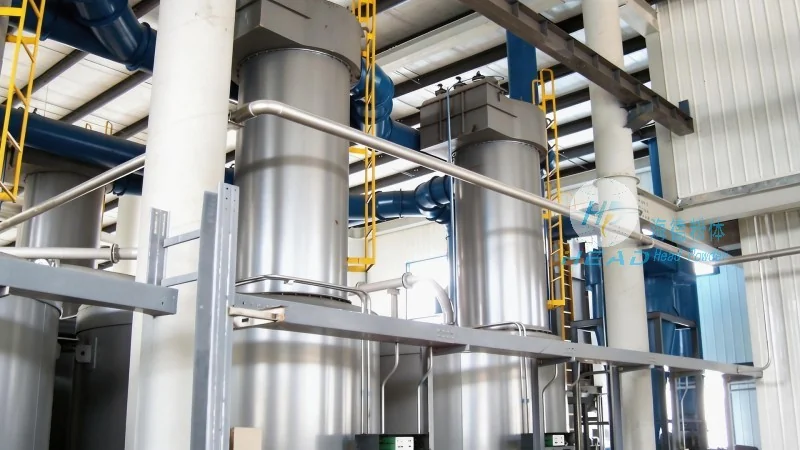
Application-Specific Considerations in Organic Salt Handling
The design of organic salt material handling systems must also take into account the specific applications for which the organic salt is being used. For example, in chemical processing, the organic salt may be used as a reactant or catalyst, requiring precise control over its flow and purity. In food production, the organic salt may be used as a flavoring or preservative, necessitating strict adherence to food safety regulations and hygienic design principles. In environmental treatment, the organic salt may be used for wastewater treatment or soil remediation, requiring systems that can handle high volumes and varying compositions of the material. Each application presents unique challenges that influence the selection of equipment and design of the handling system. For instance, in high-purity applications, the system must include filtration and cleaning steps to remove contaminants. In high-volume applications, the system may require larger storage silos and more robust conveyor systems to handle the increased throughput.
Safety and Compliance in Organic Salt Material Handling
Ensuring safety and compliance is a critical aspect of organic salt material handling system design. Organic salts can pose various health and safety risks, including respiratory irritation, skin sensitization, and chemical burns. Therefore, the design must incorporate appropriate safety measures such as personal protective equipment (PPE) requirements, emergency shutdown systems, and proper ventilation. Additionally, the system must comply with relevant regulations and standards, such as those from the Occupational Safety and Health Administration (OSHA) and the Environmental Protection Agency (EPA). These regulations often require specific design features, such as dust control systems and material containment measures. The design process should also consider the potential for fire or explosion hazards, especially if the organic salt is flammable or reactive. Proper grounding and bonding of equipment, as well as the use of explosion-proof components, are essential to mitigate these risks. Regular inspections and maintenance are also necessary to ensure ongoing compliance with safety standards.
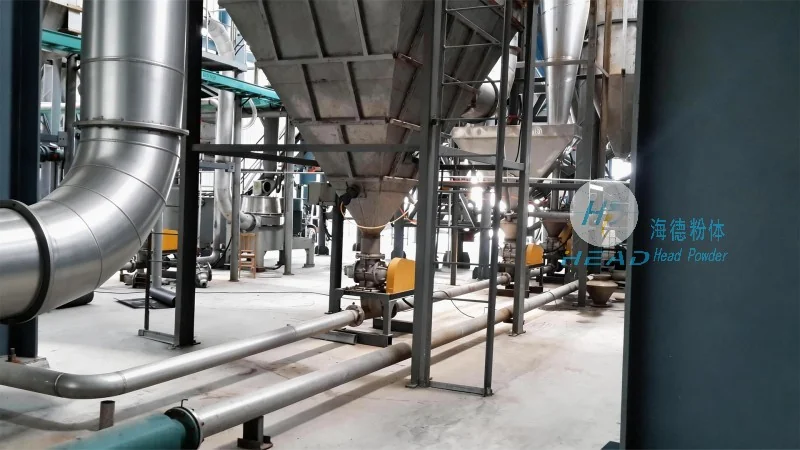
Conclusion: Optimizing Organic Salt Material Handling
Organic salt material handling is a complex process that requires careful consideration of the material's properties, the application requirements, and safety regulations. By adhering to the design principles outlined above, industrial facilities can optimize their material handling systems for efficiency, safety, and cost-effectiveness. The key to successful organic salt handling lies in the integration of specialized equipment, robust control systems, and adherence to best practices in material handling. As industries continue to rely on organic salts for various applications, the importance of well-designed material handling systems will only grow. By investing in proper design and maintenance, companies can ensure reliable operation and minimize the risks associated with handling these materials.