

What is an Intelligent Powder Conveying Machine? What are its Design Principles?
For industrial applications that require efficient and reliable handling of bulk powders, the intelligent powder conveying machine has emerged as a critical solution. These advanced systems are engineered to address the unique challenges of transporting fine or cohesive powders, ensuring consistent flow and minimal product degradation. The technology behind these machines combines mechanical engineering, control systems, and material science to create a seamless process for powder handling in various industries, including pharmaceuticals, food processing, and chemical manufacturing.
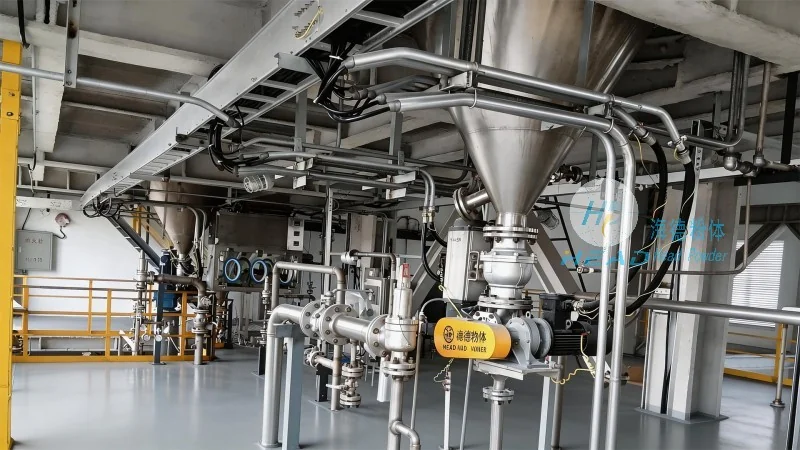
Understanding the Core Functionality of Intelligent Powder Conveying Machines
The primary objective of an intelligent powder conveying machine is to move bulk materials from a source to a destination with precision and control. Unlike traditional methods such as manual shoveling or basic pneumatic systems, these advanced machines utilize intelligent control algorithms and sensors to optimize the conveying process. By monitoring parameters like pressure, flow rate, and material density in real-time, the system can adjust its operation to maintain optimal performance. This adaptability is crucial for handling a wide range of powders, from free-flowing materials like sugar to cohesive substances like cement, ensuring that the conveying process remains efficient and safe.
Design Principles Behind Intelligent Powder Conveying Systems
The design of an intelligent powder conveying machine is built on several key principles that enhance its effectiveness and reliability. One of the fundamental principles is the use of a closed-loop control system, which integrates sensors and actuators to regulate the conveying process dynamically. This system allows for real-time adjustments based on changing conditions, such as variations in material properties or system pressure. Another critical design principle is the incorporation of energy-efficient components, such as variable-speed drives and optimized piping, to reduce operational costs while maintaining performance. Additionally, the machine is designed with materials that are resistant to corrosion and wear, ensuring long-term durability in harsh industrial environments. The integration of these principles results in a system that is not only efficient but also sustainable and user-friendly.
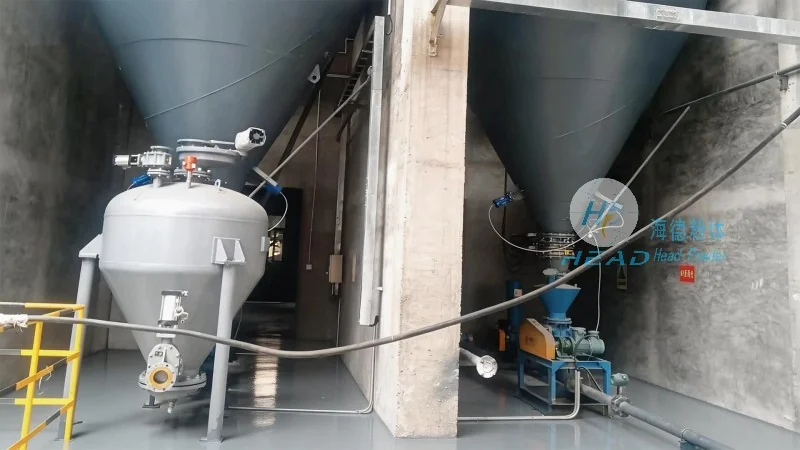
Key Components and Their Roles in the Conveying Process
At the heart of an intelligent powder conveying machine are several key components that work in tandem to achieve optimal performance. The hopper or feeder is the first component, responsible for storing and feeding the powder into the system. This component is designed to minimize material bridging and ensure a consistent flow of material. The conveyor itself, which can be pneumatic or mechanical, is responsible for transporting the powder from the feeder to the discharge point. Modern systems often use flexible hoses or rigid pipes, depending on the application, to ensure smooth and controlled movement. The control panel, equipped with a user-friendly interface, allows operators to monitor and adjust the system parameters. Sensors, including pressure sensors, flow meters, and level detectors, provide real-time data to the control system, enabling immediate adjustments. Finally, the discharge valve or outlet is designed to release the powder at the desired location, ensuring that the material is delivered accurately and without spillage.
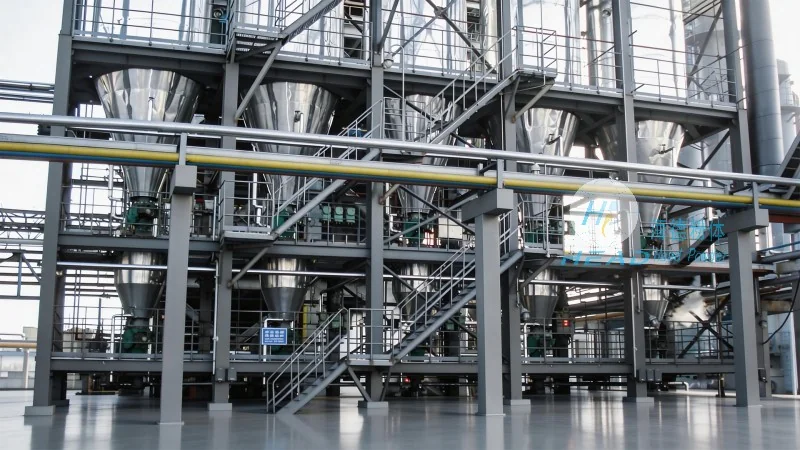
Applications and Benefits of Intelligent Powder Conveying Machines
Intelligent powder conveying machines are widely used in various industries due to their versatility and efficiency. In the pharmaceutical industry, these systems are essential for handling sensitive powders, ensuring that the material is transported without contamination or degradation. The food processing industry benefits from the ability to handle powders like flour and sugar while maintaining hygiene standards. In chemical manufacturing, the machines are used to transport reactive powders safely, minimizing the risk of accidents. The benefits of these systems extend beyond efficiency; they also reduce labor costs by automating the conveying process and minimize product loss through precise control. Additionally, the intelligent design of these machines allows for easy integration into existing production lines, making them a cost-effective solution for modern industrial operations.
Customization and Integration with Existing Systems
Shandong HeadPowder Engineering Co., Ltd. specializes in designing and manufacturing intelligent powder conveying machines tailored to the specific needs of their clients. The company, known as headpowder, understands that each industrial application has unique requirements, and their products are designed to meet those needs. Customization options include adjustable conveying speeds, different hopper sizes, and compatibility with various discharge systems. The machines can be integrated seamlessly with existing production lines, ensuring minimal disruption during installation. The company’s team of engineers works closely with clients to understand their operational challenges and develop solutions that enhance productivity and safety. By leveraging advanced technology and a deep understanding of powder handling, headpowder provides solutions that are not only effective but also sustainable and reliable.