

What is Calcite Powder Handling? What Are the Design Principles?
Calcite powder handling is a critical process in various industrial applications, involving the efficient transportation and management of calcite powder from production sites to processing or storage facilities. The design of an effective calcite powder handling system requires a comprehensive understanding of the material's properties and the operational requirements of the application. This article explores the fundamental aspects of calcite powder handling, focusing on the key design principles that ensure optimal performance, safety, and efficiency.
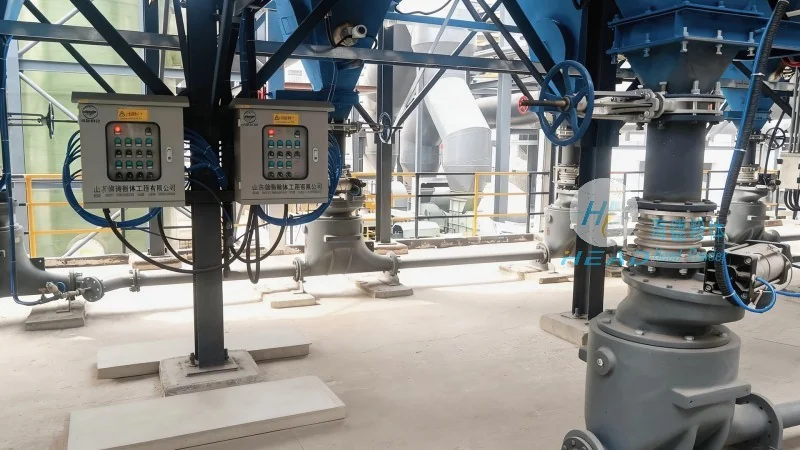
Understanding Calcite Powder Handling
Calcite, a common form of calcium carbonate, is widely used in industries such as construction, agriculture, and manufacturing due to its versatile properties. When processed into a fine powder, calcite can be challenging to handle due to its fine particle size, cohesive nature, and potential for dust generation. Effective handling systems must address these challenges to prevent material loss, equipment damage, and environmental contamination. The primary goal of calcite powder handling is to maintain the integrity of the powder while ensuring smooth and reliable transport.
Key Design Principles for Calcite Powder Handling Systems
The design of a calcite powder handling system is influenced by several critical factors, including the material's physical characteristics, the scale of operation, and the specific application requirements. A well-designed system typically incorporates the following principles:
1. **Material Compatibility**: The equipment used in calcite powder handling must be compatible with the material's chemical and physical properties. Calcite is generally non-corrosive but can be abrasive, requiring materials like stainless steel or special coatings for components such as hoppers, chutes, and conveyors to prevent wear and degradation.
2. **Flow Control and Prevention of Bridging**: Calcite powder tends to form bridges or arches in storage and transfer points, which can obstruct flow and cause system downtime. Design principles include the use of vibration, air agitation, or mechanical breakers to maintain consistent flow and prevent bridging. Proper hopper design with sloped walls and smooth surfaces also plays a crucial role in minimizing the risk of material buildup.
3. **Dust Control and Environmental Safety**: Calcite powder is a fine particulate that can create dust, posing health and safety risks. Effective dust control measures, such as enclosed systems, local exhaust ventilation, and dust collection systems, are essential. The design must also comply with environmental regulations to minimize emissions and ensure workplace safety.
4. **Energy Efficiency and Maintenance**: A well-designed system aims to minimize energy consumption and reduce maintenance requirements. This includes selecting efficient conveyor types (e.g., screw conveyors, pneumatic conveyors) and incorporating features like variable speed drives to adjust to varying load conditions. Regular maintenance schedules and easy access to components are also critical for ensuring long-term system reliability.
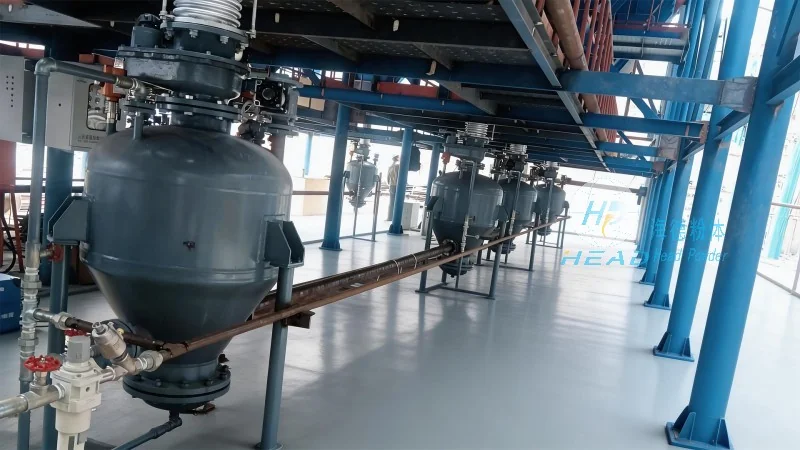
Components of a Typical Calcite Powder Handling System
A typical calcite powder handling system consists of several interconnected components, each serving a specific function in the material flow. The key components include:
1. **Feed Hopper**: The feed hopper is the initial storage and feeding unit that receives calcite powder from the production process. It is designed to hold a sufficient quantity of material to ensure continuous operation and to regulate the flow rate to downstream equipment. The hopper is often equipped with a discharge valve or gate to control the release of material.
2. **Conveying Equipment**: The conveying equipment transports the calcite powder from the hopper to the processing or storage location. Common types include screw conveyors, belt conveyors, and pneumatic conveyors. The choice of conveyor depends on factors such as the material's characteristics, distance, and required flow rate. For calcite powder, screw conveyors are often preferred due to their ability to handle fine powders without causing excessive wear.
3. **Dust Collection System**: To control dust and ensure environmental compliance, a dust collection system is integrated into the design. This system typically includes a filter or cyclone to capture airborne particles and return them to the material stream or dispose of them safely. Proper ventilation and air filtration are essential to maintain a clean working environment.
4. **Control and Monitoring Systems**: Modern calcite powder handling systems incorporate control and monitoring systems to optimize performance and detect issues in real-time. These systems may include sensors for level, flow, and temperature, as well as control panels for adjusting conveyor speeds, valve positions, and other operational parameters. Automation and data logging capabilities enhance system efficiency and facilitate maintenance planning.
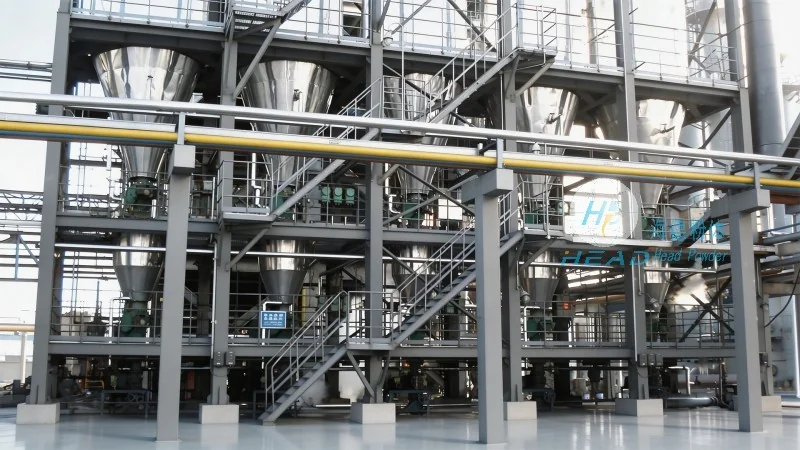
Applications and Industries Using Calcite Powder Handling
Calcite powder handling systems are widely used in various industries where calcium carbonate is a key component. Some of the primary applications include:
1. **Construction and Building Materials**: Calcite powder is used as a filler in cement, concrete, and plaster, improving the strength and workability of these materials. Handling systems in this industry must ensure consistent quality and prevent contamination from other materials.
2. **Agriculture**: In agriculture, calcite is used as a soil amendment to adjust pH levels and provide calcium to plants. The handling systems in this sector need to be capable of processing large volumes of material and ensuring uniform distribution.
3. **Manufacturing and Plastics**: Calcite is used as a filler in plastic products, enhancing their mechanical properties and reducing material costs. The handling systems for this application must maintain the purity of the powder and prevent contamination from moisture or other substances.
4. **Food and Beverage Industry**: In the food industry, calcite is used as a dietary supplement or as a processing aid. The handling systems must meet stringent hygiene and safety standards to ensure the final product is free from contaminants and meets regulatory requirements.
Conclusion
Effective calcite powder handling is essential for optimizing industrial processes and ensuring the safe and efficient use of this versatile material. The design principles outlined above, combined with appropriate equipment and control systems, form the foundation of a reliable calcite powder handling system. By considering factors such as material compatibility, flow control, dust management, and energy efficiency, industries can develop systems that meet their operational needs while minimizing risks and maximizing performance. For businesses seeking to implement or upgrade their calcite powder handling systems, understanding these design principles and working with experienced engineering partners, such as Shandong HeadPowder Engineering Co., Ltd., can ensure successful implementation and long-term operational success.