

What is Molybdenum Trioxide Powder Handling? Exploring the Design Principles
Molybdenum trioxide (MoO₃) is a vital industrial material used across multiple sectors, including electronics, catalysis, and pigments. The efficient handling and transportation of this fine powder are paramount for preserving product integrity and operational efficiency. This article examines the fundamentals of molybdenum trioxide powder handling systems, focusing on the design principles that ensure safe, reliable, and effective material transport.
Understanding Molybdenum Trioxide Powder Characteristics
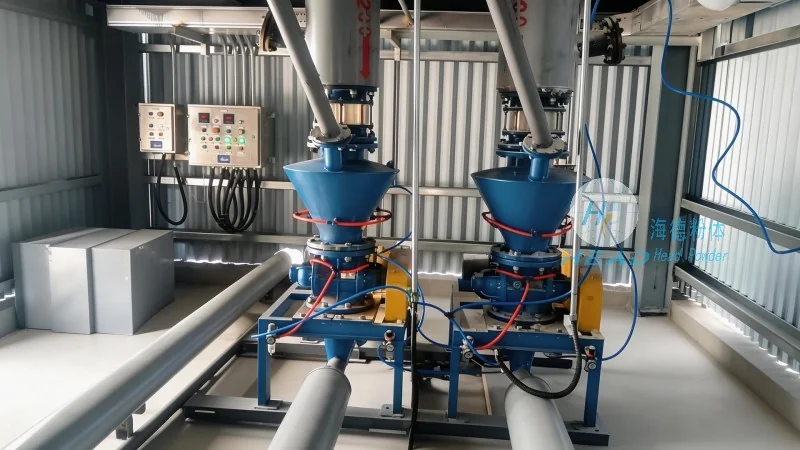
Before delving into handling systems, it is essential to grasp the physical and chemical properties of molybdenum trioxide powder. MoO₃ typically exists as a fine, white or yellowish powder with a high specific surface area and hygroscopic nature. These traits influence its behavior during transport, making it prone to caking, agglomeration, and moisture absorption. The material's density and flowability also significantly impact the design of conveying equipment. Shandong HeadPowder Engineering Co., Ltd., a leading specialist in the field, develops tailored solutions for handling such challenging powders.
Core Design Principles for Powder Handling Systems
The design of molybdenum trioxide powder handling systems centers on several key principles aimed at minimizing material degradation and ensuring consistent performance. A primary consideration is preventing material degradation, which can occur due to friction, impact, or exposure to air. To mitigate this, systems often incorporate enclosed conveying equipment, such as pneumatic conveying lines or screw conveyors, to minimize direct environmental contact. Additionally, the design must account for the material's tendency to generate static charges, which can lead to dust explosions. Thus, grounding and anti-static measures are integral to the system's safety and functionality.
Conveying Methods and Equipment Selection
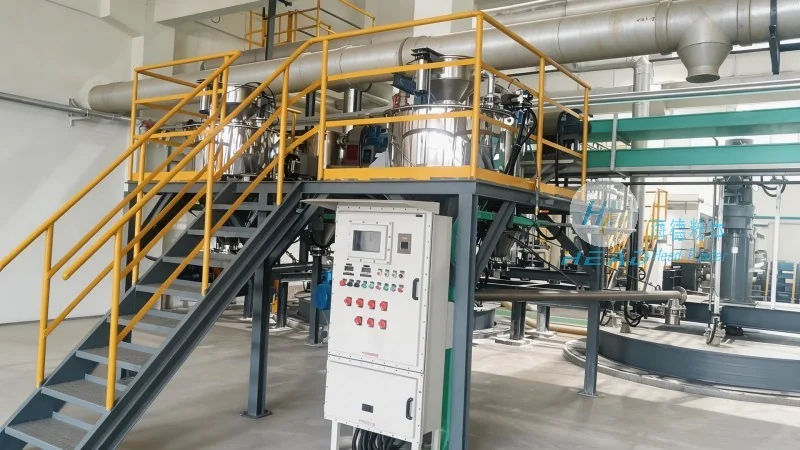
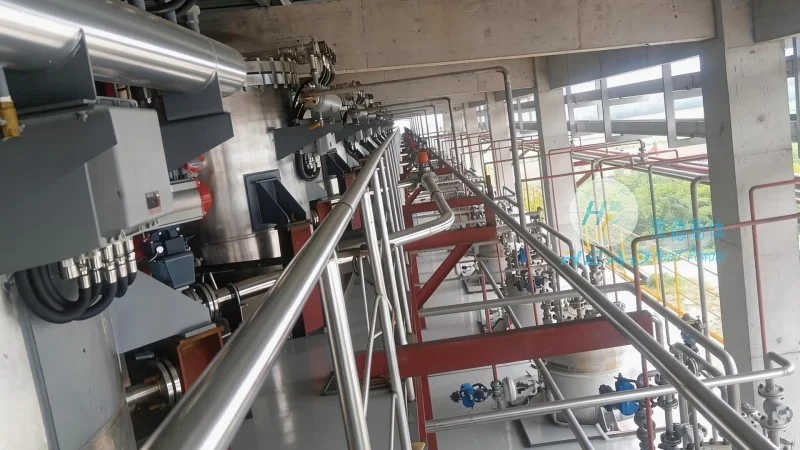
Various conveying methods are employed in molybdenum trioxide powder handling, each with its advantages and limitations. Pneumatic conveying, which uses air to transport the powder, is commonly used for long-distance or high-temperature applications. This method enables enclosed transport, reducing contamination and dust exposure. However, it requires careful control of air pressure and flow rates to prevent material degradation. Another option is mechanical conveying, such as screw or belt conveyors, suitable for shorter distances and lower material volumes. These systems are often preferred for their simplicity and lower energy consumption. Shandong HeadPowder Engineering Co., Ltd. offers a range of equipment tailored to specific operational needs, ensuring optimal performance for molybdenum trioxide handling.
Material Storage and Dosing Considerations
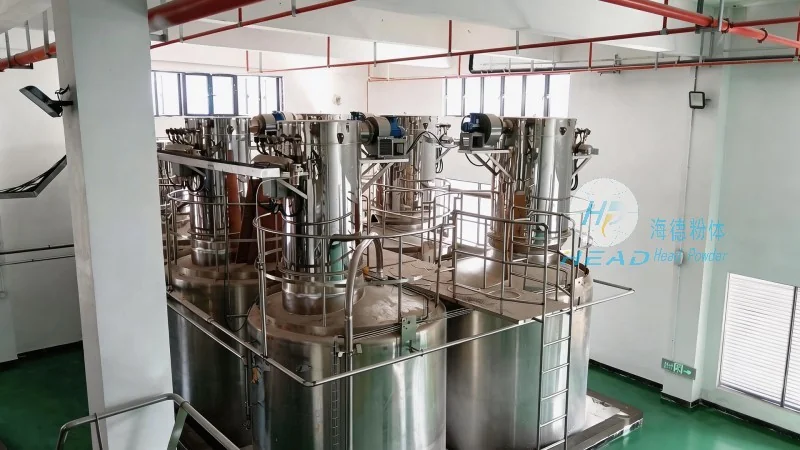
Effective powder handling also involves proper storage and dosing mechanisms. Molybdenum trioxide is prone to moisture absorption, so storage containers must be airtight and moisture-resistant. Silos or hoppers are typically used for bulk storage, with internal liners or coatings to prevent material adhesion. Dosing systems, such as rotary valves or gravimetric feeders, are critical for controlling the flow rate and ensuring accurate dosing. These systems must be designed to handle the material's flow properties without causing blockages or uneven flow. The design of storage and dosing equipment is crucial for maintaining product quality and preventing contamination.
Safety and Environmental Considerations
Handling molybdenum trioxide powder requires strict adherence to safety and environmental regulations. The material is a fine powder, which can create dust clouds, posing a risk of respiratory issues or explosions. Therefore, dust collection systems and explosion-proof designs are essential components of the handling system. Proper ventilation and filtration are necessary to maintain a safe working environment. Additionally, the system must comply with local environmental regulations regarding waste disposal and emissions. Shandong HeadPowder Engineering Co., Ltd. prioritizes safety and environmental compliance in all its designs, ensuring that their systems meet or exceed industry standards.
Conclusion
In conclusion, the efficient handling of molybdenum trioxide powder necessitates a comprehensive understanding of the material's properties and the application of sound design principles. From conveying methods to storage and safety measures, each component of the system plays a critical role in ensuring product quality and operational reliability. Shandong HeadPowder Engineering Co., Ltd. specializes in providing customized solutions that address the unique challenges of molybdenum trioxide handling, helping industries maintain high standards of performance and safety. By adhering to these design principles, companies can optimize their powder handling processes and achieve better overall efficiency.