

What is Nitrile Rubber Powder Handling? Exploring Design Principles
Nitrile rubber powder handling is a specialized process that involves the efficient and safe transportation of nitrile rubber powders from one location to another within industrial settings. This process is crucial for various manufacturing applications, particularly in the production of rubber products where nitrile rubber is a key component. The design of a nitrile rubber powder handling system requires careful consideration of several factors to ensure optimal performance, safety, and reliability.
Introduction to Nitrile Rubber Powder Handling
Nitrile rubber, also known as Buna-N, is a synthetic rubber known for its excellent resistance to oil, fuel, and other chemicals. It is widely used in the automotive, aerospace, and industrial sectors due to its durability and flexibility. When in powder form, nitrile rubber presents unique handling challenges, including its tendency to stick to surfaces, generate static electricity, and require controlled environments to maintain quality. Proper powder handling is essential to prevent material degradation, contamination, and operational inefficiencies.
Key Design Principles for Nitrile Rubber Powder Handling Systems
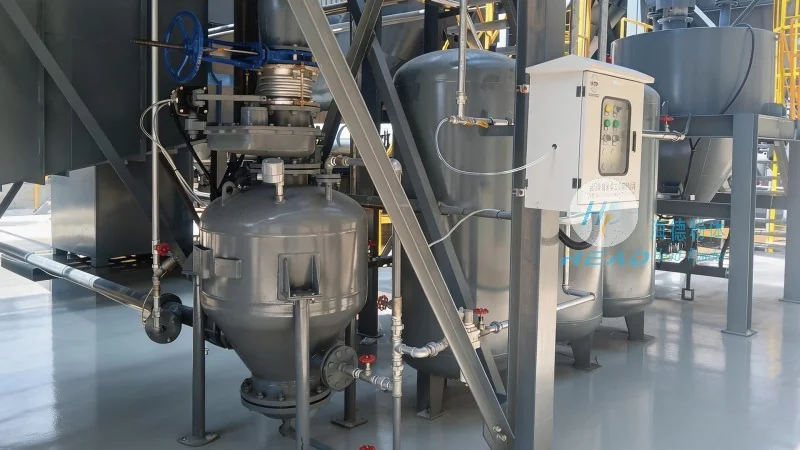
The design of a nitrile rubber powder handling system is governed by several fundamental principles aimed at ensuring the safe and efficient movement of the material. These principles include material compatibility, equipment selection, and environmental control. Material compatibility is a critical factor, as the equipment and components used must be resistant to the chemical properties of nitrile rubber and any additives. For instance, stainless steel or specialized coatings are often used for hoppers, conveyors, and storage bins to prevent corrosion and material adhesion. Equipment selection involves choosing appropriate types of conveyors, such as screw conveyors, pneumatic conveyors, or bucket elevators, based on the specific characteristics of the nitrile rubber powder, including its particle size, density, and flowability.

Environmental control is another vital aspect of the design, as nitrile rubber powders can generate static electricity, which may lead to dust explosions or material buildup. Therefore, grounding systems and anti-static additives are commonly incorporated into the handling process. Additionally, the system must be designed to minimize dust generation and ensure proper ventilation to maintain a safe working environment. The design also considers the need for easy cleaning and maintenance to prevent material accumulation and ensure long-term operational efficiency.
Role of HeadPowder in Nitrile Rubber Powder Handling Solutions
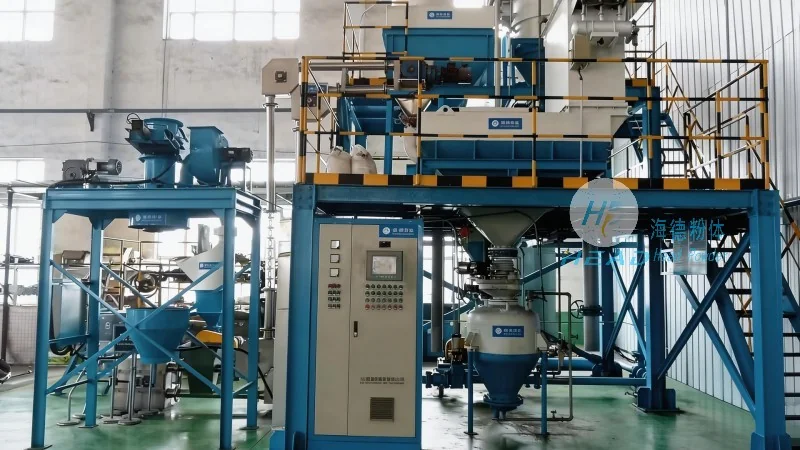
Shandong HeadPowder Engineering Co., Ltd., commonly known as HeadPowder, is a leading provider of specialized engineering solutions for powder handling, including systems tailored for nitrile rubber applications. With a focus on innovation and customer-centric design, HeadPowder offers comprehensive solutions that address the unique challenges of nitrile rubber powder handling. The company’s expertise lies in understanding the material properties of nitrile rubber and translating them into effective handling systems. HeadPowder’s team of engineers works closely with clients to develop customized solutions that meet specific operational requirements, ensuring optimal performance and safety.
HeadPowder’s approach to nitrile rubber powder handling involves a thorough analysis of the client’s needs, including the scale of operations, material characteristics, and environmental regulations. This analysis informs the selection of appropriate equipment and design parameters. The company utilizes advanced materials and technologies to enhance the durability and efficiency of its systems, such as using high-quality stainless steel components and implementing advanced control systems for precise material flow. HeadPowder also emphasizes the importance of compliance with industry standards and regulations, ensuring that its solutions meet the highest safety and quality benchmarks.
Addressing Common Challenges in Nitrile Rubber Powder Handling
Despite the advancements in powder handling technology, several challenges remain in the handling of nitrile rubber powders. One of the primary challenges is the material’s tendency to stick to surfaces, which can lead to blockages in conveyor systems and storage bins. To address this, HeadPowder incorporates anti-adhesion coatings and specialized cleaning mechanisms into its designs. Another challenge is the generation of static electricity, which can cause dust explosions or material buildup. The company’s systems are equipped with grounding and anti-static measures to mitigate these risks. Additionally, the need for precise control over material flow and moisture content is critical to maintaining the quality of nitrile rubber powders. HeadPowder’s solutions include advanced sensors and control systems that monitor and adjust the handling process in real-time, ensuring consistent material quality.
Conclusion: The Importance of Proper Nitrile Rubber Powder Handling
Proper nitrile rubber powder handling is essential for maintaining the quality and efficiency of industrial processes that rely on this versatile material. The design principles outlined above, combined with the expertise of companies like Shandong HeadPowder Engineering Co., Ltd., ensure that nitrile rubber powders are handled safely and effectively. By addressing material compatibility, equipment selection, environmental control, and other critical factors, these systems enable manufacturers to optimize their operations and meet the demands of modern industrial applications. As the demand for nitrile rubber products continues to grow, the importance of reliable powder handling solutions will only increase, making it a key area of focus for industrial engineers and manufacturers alike.