

What is a Glass Fiber Cellulose Pneumatic Conveying Machine? And What Are Its Design Principles?
Glass fiber cellulose pneumatic conveying machines are specialized equipment used in industrial processes to transport glass fiber cellulose materials through a pneumatic system. These machines utilize air pressure to move the material from one location to another, making them an efficient solution for handling bulk materials in various manufacturing and processing applications. The technology behind these machines combines principles of fluid dynamics and mechanical engineering to ensure reliable and consistent material transport. As a key component in material handling systems, they are designed to meet the specific demands of industries that rely on glass fiber cellulose, such as construction, automotive, and aerospace sectors.
Key Design Principles of Glass Fiber Cellulose Pneumatic Conveying Machines
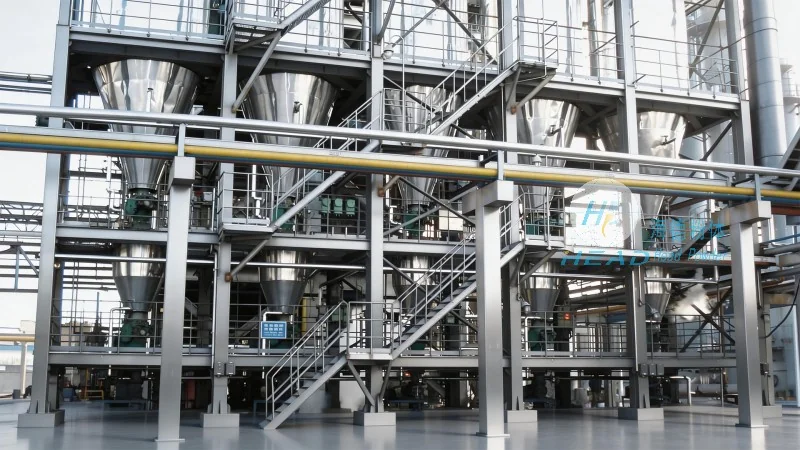
The design of glass fiber cellulose pneumatic conveying machines is based on several critical principles that ensure optimal performance and durability. First, the system must be capable of handling the unique properties of glass fiber cellulose, which includes its abrasive nature and potential for static charge accumulation. Engineers incorporate materials that resist wear and friction, such as high-quality stainless steel or specialized coatings, to protect the internal components from damage. Second, the air flow management is a central aspect of the design. The machines utilize positive or negative pressure systems to move the material, with positive pressure systems being more common for transporting glass fiber cellulose due to their ability to handle fine particles and prevent material degradation. The design also considers the need for efficient air distribution and minimal pressure drop, which is crucial for maintaining the conveying efficiency and reducing energy consumption. Additionally, the machine's structure is engineered to minimize material buildup and blockages, ensuring continuous operation without frequent maintenance interruptions. The integration of these design principles results in a robust and reliable system that can handle the challenges associated with glass fiber cellulose transportation.
Components and Operational Mechanism
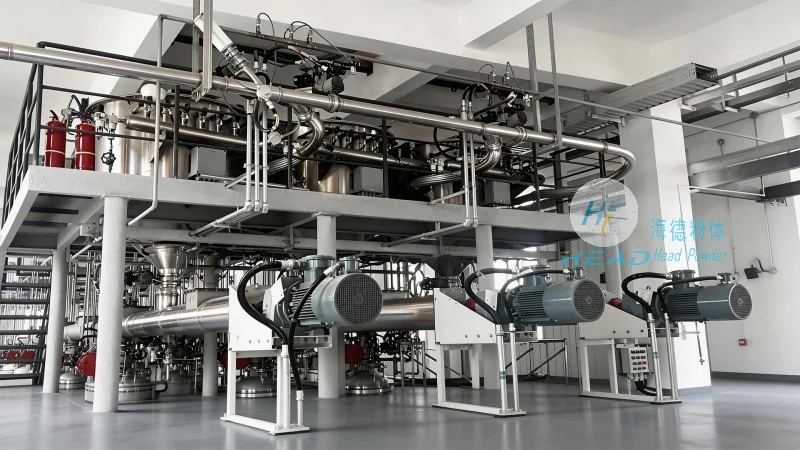
Understanding the components and operational mechanism of glass fiber cellulose pneumatic conveying machines provides insight into how they function effectively. The primary components include a hopper for material storage, a feeder to control the flow rate, a conveying line with appropriate diameter and length, and a receiver for the material's destination. The hopper is designed to accommodate the bulk storage of glass fiber cellulose, with a smooth interior to prevent material accumulation and ensure consistent feeding. The feeder, often a rotary valve or a screw feeder, regulates the material discharge rate, preventing overloading or underloading of the conveying line. The conveying line is typically made of corrosion-resistant materials like stainless steel or plastic, with bends and elbows strategically placed to maintain air flow and avoid pressure losses. The receiver, equipped with a dust collection system, collects the material at the end of the conveying line, ensuring a clean and efficient transfer. The operational mechanism involves the introduction of air into the conveying line, either by a blower or a vacuum pump, which creates a pressure differential that propels the glass fiber cellulose particles through the system. The air flow velocity is carefully controlled to maintain the material in suspension, preventing settling or clogging. This mechanism allows for a continuous and controlled transport of glass fiber cellulose, making it suitable for various industrial applications.
Applications and Benefits in Industrial Settings
Glass fiber cellulose pneumatic conveying machines find applications in a wide range of industries where the handling of glass fiber cellulose is essential. In the construction industry, they are used to transport glass fiber cellulose for insulation and reinforcement purposes, ensuring efficient material distribution on construction sites. The automotive industry utilizes these machines to handle glass fiber cellulose for composite parts manufacturing, where precise material delivery is critical for product quality. The aerospace sector also relies on them for producing lightweight and strong components, as glass fiber cellulose contributes to the structural integrity of aircraft parts. The benefits of using these machines include improved material handling efficiency, reduced labor costs, and enhanced safety compared to manual handling methods. Additionally, the pneumatic system minimizes material contamination and dust exposure, which is crucial in industries where product purity is a priority. The machines also offer flexibility in terms of layout and integration with existing production lines, allowing for seamless incorporation into manufacturing processes. Overall, the adoption of glass fiber cellulose pneumatic conveying machines leads to increased productivity and cost savings in industrial operations.
About Shandong HeadPowder Engineering Co., Ltd.
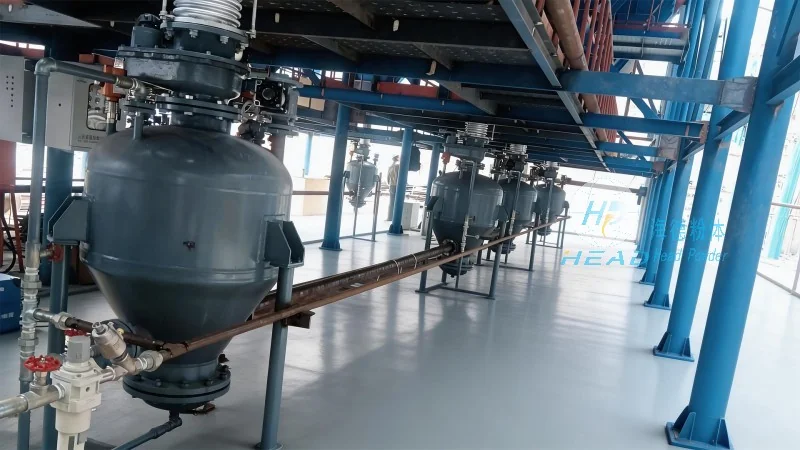
Shandong HeadPowder Engineering Co., Ltd., commonly known as HeadPowder, is a leading manufacturer of specialized material handling equipment, including glass fiber cellulose pneumatic conveying machines. The company is based in Shandong, China, and has established itself as a trusted provider of high-quality industrial solutions. HeadPowder focuses on delivering innovative and reliable equipment that meets the specific needs of its clients, with a commitment to quality and customer satisfaction. The company's team of engineers and technicians leverages advanced technology and extensive industry experience to design and manufacture machines that are durable, efficient, and easy to maintain. HeadPowder's products are widely used in various industries, contributing to improved operational efficiency and productivity. The company's dedication to research and development ensures that its equipment remains at the forefront of material handling technology, providing solutions that adapt to the evolving demands of modern industry.