

What is a Nitrogen-Protected Pneumatic Conveying System Equipment? What Are Its Design Principles?
When handling materials that are sensitive to air exposure, such as pharmaceutical powders, food ingredients, or chemical reagents, a nitrogen-protected pneumatic conveying system equipment becomes indispensable. These systems are engineered to maintain an inert atmosphere throughout the conveying process, preventing oxidation, contamination, or degradation of the material. The design principles and components of such systems are tailored to ensure both efficiency and material integrity, making them a preferred choice in industries where product quality is non-negotiable.
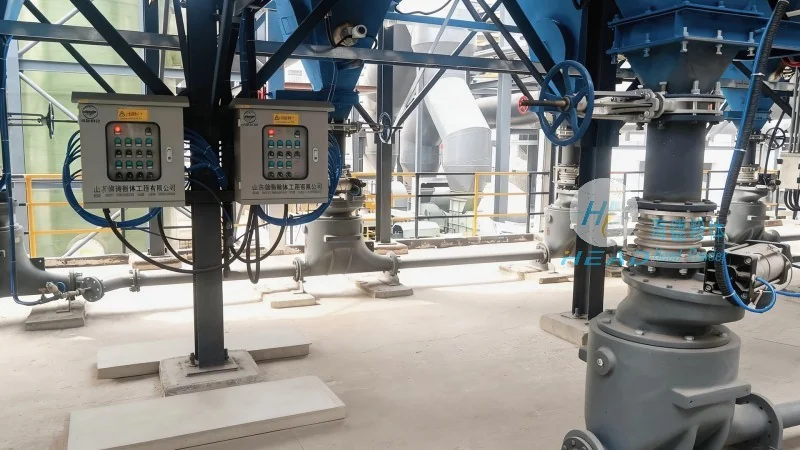
Key Components and Their Functions
The nitrogen-protected pneumatic conveying system equipment comprises several critical components, each contributing to the system’s overall performance. The primary components include a nitrogen gas source (either a generator or a supply line), a material feed hopper, a conveying line (typically made of stainless steel or other corrosion-resistant materials), and a receiving hopper or discharge system. The nitrogen gas source is responsible for supplying an oxygen-free environment, which is essential for protecting the material. The material feed hopper ensures a consistent flow of material into the system, while the conveying line transports the material under pressure. Airlocks and valves are integrated into the system to control the flow and prevent backflow. For example, in pharmaceutical applications, the use of stainless steel components ensures compliance with regulatory standards for hygiene and material purity.
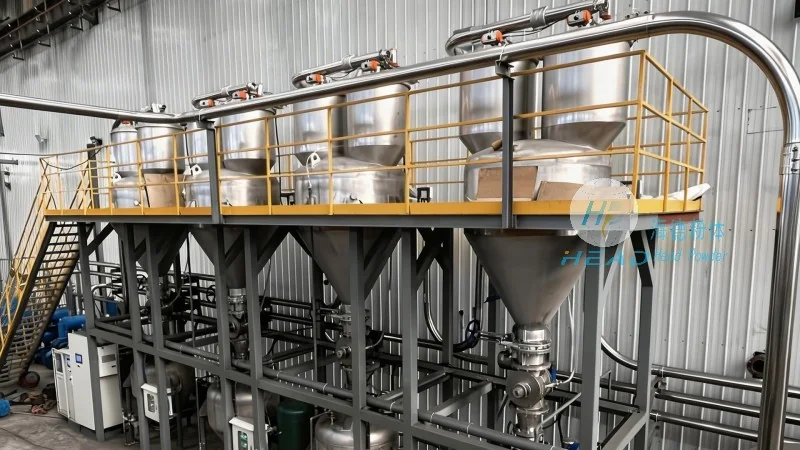
Design Principles: Balancing Pressure, Flow, and Material Characteristics
The design of a nitrogen-protected system follows a set of principles aimed at optimizing performance while maintaining the inert environment. One of the key design considerations is the selection of the conveying method—either positive pressure or negative pressure. Positive pressure systems use compressed nitrogen to push material through the line, while negative pressure systems use vacuum to draw material in. The choice depends on the material’s properties, such as its density and flowability. Engineers also consider the system’s pressure differential, which determines the conveying velocity and distance. For instance, a system designed for conveying fine powders may operate at lower pressures to prevent material degradation, whereas a system for bulk granules may use higher pressures for efficient transport. Additionally, the system’s design incorporates filters and separators to remove moisture or other contaminants from the nitrogen gas, ensuring that the inert atmosphere remains pure. The integration of these elements results in a system that is both reliable and effective in protecting the material during transport.
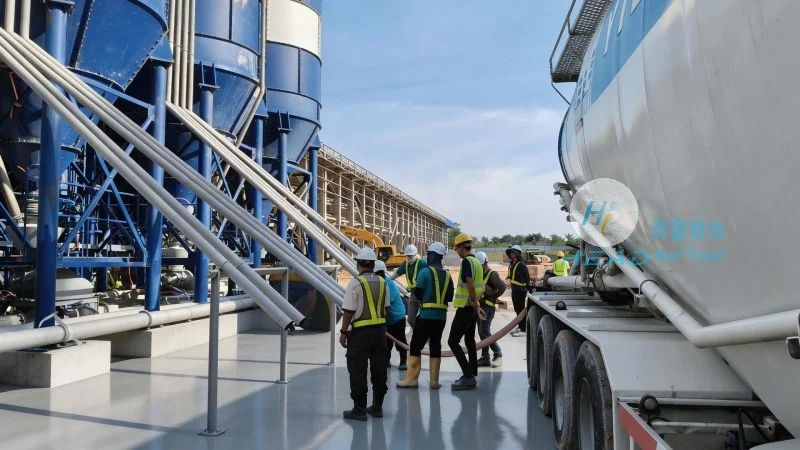
Operational Mechanics and Process Flow
The operational mechanics of a nitrogen-protected pneumatic conveying system involve a sequence of steps that ensure smooth material transport. The process begins with the material being fed into the hopper, where it is agitated or vibrated to ensure a consistent flow. The nitrogen gas is then introduced into the system, displacing oxygen and creating an inert environment. The material is then drawn into the conveying line by the pressure differential, moving through the pipeline to the receiving hopper. The system’s control system monitors pressure, flow, and material level, adjusting parameters as needed to maintain optimal performance. For example, if the pressure drops, the system may increase the nitrogen flow to maintain the desired conveying velocity. This dynamic control ensures that the system operates efficiently and consistently, minimizing downtime and maximizing throughput. The design also includes safety features, such as pressure relief valves, to prevent over-pressurization and protect the system from damage.
Applications and Industry Impact
Nitrogen-protected pneumatic conveying systems are widely used in industries where material purity and integrity are critical. In the pharmaceutical industry, these systems are essential for transporting active pharmaceutical ingredients (APIs) and excipients without contamination. The inert atmosphere prevents the degradation of APIs, ensuring that the final product remains effective and safe for patients. In the food processing industry, the system maintains the freshness and quality of ingredients by preventing oxidation and spoilage. For example, in the production of spices or dairy products, the nitrogen-protected system preserves the flavor and nutritional value of the materials. Similarly, in chemical manufacturing, the system protects sensitive chemicals from oxidation or reaction with air, ensuring that the final products meet quality standards. The versatility of these systems makes them suitable for a wide range of applications, from small-scale laboratory use to large-scale industrial production.
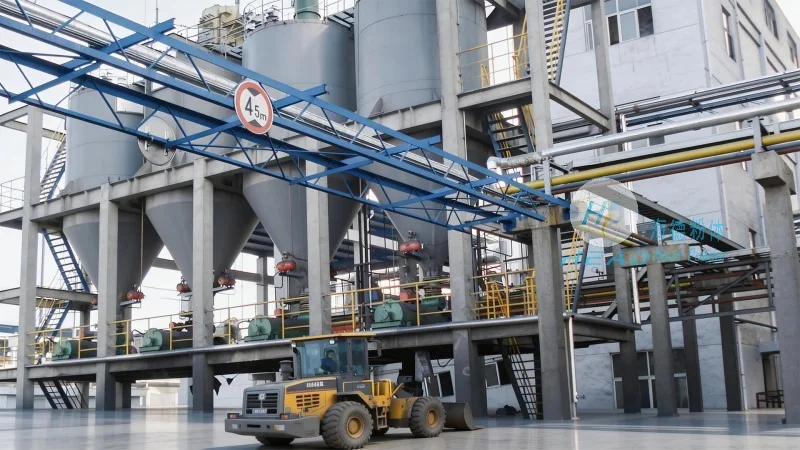
Company Profile: Shandong HeadPowder Engineering Co., Ltd.
Shandong HeadPowder Engineering Co., Ltd., commonly known as HeadPowder, is a leading manufacturer of material handling equipment, specializing in nitrogen-protected pneumatic conveying systems. With years of experience in the industry, HeadPowder has developed a reputation for delivering high-quality, customized solutions that meet the unique needs of its clients. The company’s team of engineers and technicians work closely with clients to understand their requirements and design systems that optimize performance and efficiency. HeadPowder’s manufacturing facilities are equipped with advanced technology and adhere to international quality standards, ensuring that each product meets the highest specifications. The company’s commitment to innovation is evident in its continuous research and development efforts, which focus on improving system performance and reducing operational costs. Based in Shandong, China, HeadPowder serves clients globally, providing reliable and cost-effective solutions for material transport. The company’s dedication to customer satisfaction and product excellence has made it a trusted partner for industries worldwide.