

What is a Rice Husk Pneumatic Conveying Equipment? And Its Design Principles?
Rice husk, a byproduct of rice processing, is a valuable resource that can be utilized in various industrial applications. The efficient handling and transportation of rice husk are crucial for maximizing its potential. This article introduces the rice husk pneumatic conveying equipment and explains its underlying design principles, highlighting the technical aspects and practical applications.
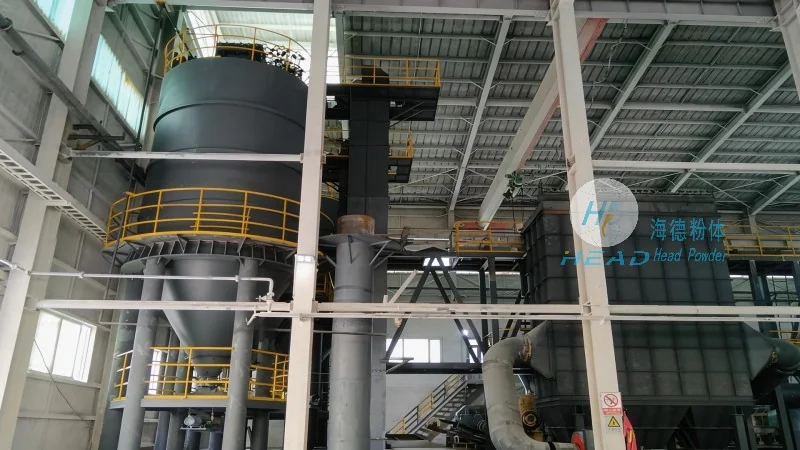
About the Company: HeadPowder
HeadPowder, a leading manufacturer in the field of material handling solutions, specializes in providing advanced pneumatic conveying systems. With a strong presence in Shandong, China, the company has established itself as a trusted partner for industries seeking reliable and efficient equipment for handling bulk materials. The company's commitment to innovation and quality ensures that its products meet the highest standards of performance and durability.
Understanding Rice Husk Pneumatic Conveying Equipment
Rice husk pneumatic conveying equipment is a specialized system designed to transport rice husk from one location to another using air as the conveying medium. This technology eliminates the need for traditional mechanical conveyors, such as belts or screws, which can be prone to maintenance issues and limited in their ability to handle abrasive materials like rice husk. The equipment operates by creating a flow of air within a pipeline, which carries the rice husk particles through the system.
Design Principles of the Pneumatic Conveying System
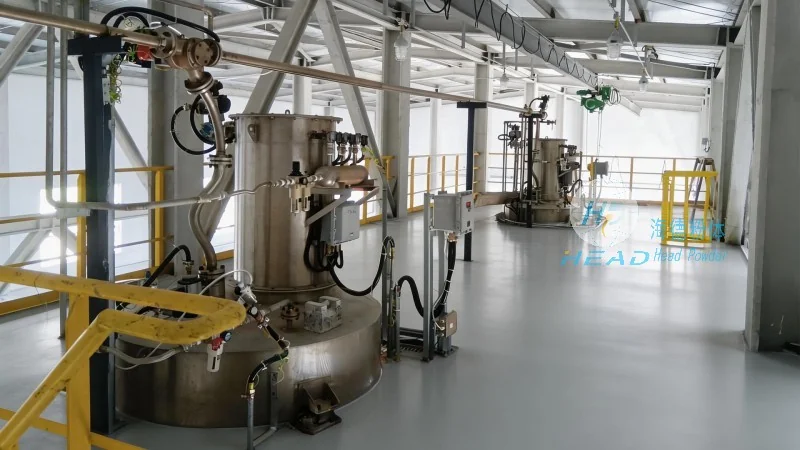
The design of a rice husk pneumatic conveying system is based on several key principles to ensure optimal performance. First, the system must be capable of handling the specific characteristics of rice husk, including its size, density, and moisture content. The equipment is engineered to accommodate these variables, ensuring consistent and reliable operation. Second, the system utilizes a combination of positive and negative pressure to move the material. In positive pressure systems, air is blown into the pipeline, pushing the rice husk forward. In negative pressure systems, air is drawn out of the pipeline, creating a vacuum that pulls the material. The choice between these systems depends on the application and the distance the material needs to be conveyed.
Key Components and Their Functions
The rice husk pneumatic conveying equipment consists of several key components, each playing a vital role in the overall operation. The hopper is the initial point where rice husk is loaded into the system. It is designed to store the material and feed it into the conveying line at a controlled rate. The feeder, often a rotary valve or a star valve, regulates the flow of rice husk from the hopper into the pipeline. The pipeline itself is made of durable materials, such as stainless steel or plastic, to withstand the abrasive nature of rice husk and the pressure of the conveying air. The air compressor or blower generates the necessary air pressure to move the material through the system. The receiver is the final destination where the rice husk is deposited. It is equipped with a dust collector to capture any fine particles and prevent air pollution. The control system monitors the operation of the equipment, ensuring that it runs smoothly and efficiently.
Advantages of Using Pneumatic Conveying for Rice Husk
There are several advantages to using pneumatic conveying equipment for rice husk. First, it offers a clean and hygienic method of handling the material, as the system is enclosed and prevents contamination from external sources. Second, it is highly efficient, as it can transport large quantities of rice husk over long distances with minimal energy consumption. Third, it is flexible, as the system can be easily modified to accommodate changes in the material flow or the layout of the facility. Fourth, it is low maintenance, as there are fewer moving parts compared to traditional mechanical conveyors, reducing the need for frequent repairs and replacements.
Applications and Industries
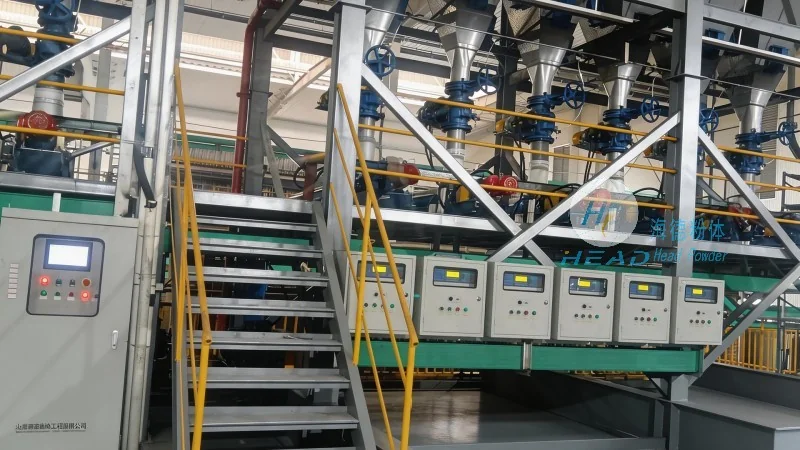
Rice husk pneumatic conveying equipment is widely used in various industries that utilize rice husk as a raw material. These include the production of biomass fuel, where rice husk is used as a source of energy. It is also used in the manufacturing of activated carbon, where rice husk is processed into a high-quality carbon product. Additionally, the equipment is used in the production of rice husk ash, which is used as a building material or as a fertilizer. The versatility of the system makes it suitable for a wide range of applications, from small-scale operations to large industrial plants.
Conclusion
In conclusion, rice husk pneumatic conveying equipment is a highly effective and efficient solution for handling and transporting rice husk. The design principles of the system, combined with its key components, ensure that it operates reliably and meets the needs of various industries. HeadPowder, with its expertise and commitment to quality, provides top-notch equipment that helps industries maximize the potential of rice husk and achieve their production goals.