

What is a pneumatic conveying system for flower seeds? And what are its design principles?
For flower seed processing and handling, efficient material transport is crucial to ensure quality and productivity. A pneumatic conveying system for flower seeds is a specialized equipment designed to move seed particles through a pipeline using air or gas as the conveying medium. This system is essential in modern horticultural and seed production facilities, offering a clean, dust-free, and automated solution for transporting delicate flower seeds from one processing stage to another.

Pneumatic Conveying System for Flower Seeds: An Overview
HeadPowder, a leading manufacturer based in Shandong, China, specializes in providing advanced pneumatic conveying solutions tailored for the flower seed industry. The company’s expertise lies in designing systems that address the unique challenges of handling flower seeds, such as their small size, irregular shapes, and sensitivity to handling. By integrating cutting-edge technology with industry-specific knowledge, HeadPowder delivers systems that enhance operational efficiency and maintain seed integrity throughout the conveying process.
Key Components of a Flower Seed Pneumatic Conveying System
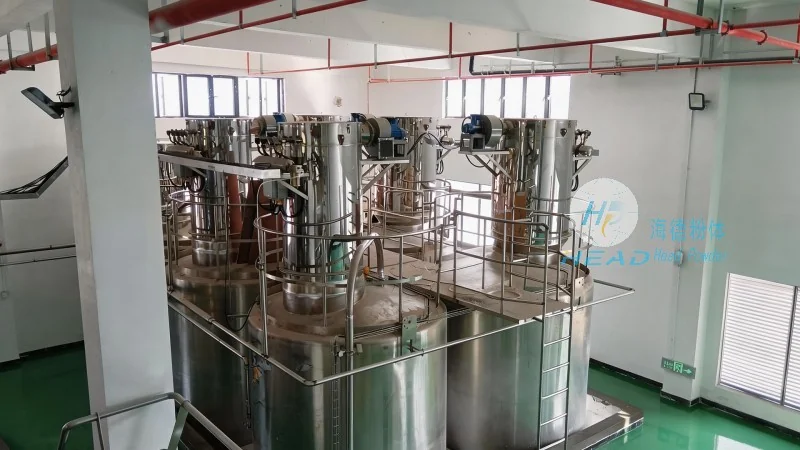
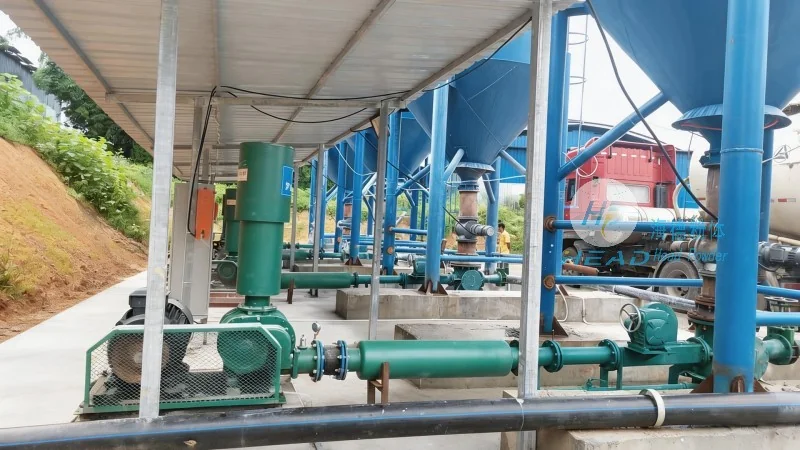
The core components of a pneumatic conveying system for flower seeds typically include a hopper for seed storage, a feeder to control the flow rate, a conveying line (usually made of stainless steel or food-grade materials to prevent contamination), a blower or compressor to generate the air flow, and a receiver or discharge unit for the seed collection. Each component is carefully selected and configured to meet the specific requirements of flower seed handling, ensuring optimal performance and reliability.
Design Principles Behind Pneumatic Conveying Systems
The design principles of a pneumatic conveying system for flower seeds are centered on the fundamental physics of fluid dynamics and particle transport. The system operates on either suction (or vacuum) or pressure (or positive) principles. In suction systems, air is drawn through the conveying line, creating a negative pressure that pulls the flower seeds into the pipeline. This method is ideal for short-distance, low-volume conveying and is often used in seed cleaning or sorting stages. Conversely, pressure systems use compressed air to push the seeds through the line, suitable for longer distances and higher throughput. The choice between suction and pressure depends on factors like the distance between the source and destination, the volume of seed to be conveyed, and the need for gentle handling to avoid seed damage.
Advantages of Using Pneumatic Conveying for Flower Seeds
Compared to traditional mechanical conveyors, pneumatic systems offer several advantages when handling flower seeds. First, they provide a dust-free and hygienic environment, which is critical for maintaining seed quality and compliance with industry standards. Second, the gentle handling of seeds reduces the risk of breakage or damage, preserving seed viability and germination rates. Third, pneumatic systems are highly flexible, allowing for easy reconfiguration of the conveying network to adapt to changes in production processes or facility layout. Additionally, these systems can integrate with other processing equipment, such as seed cleaners or sorters, creating a seamless workflow that minimizes manual intervention and improves overall efficiency.
Application Scenarios in Flower Seed Processing
Pneumatic conveying systems for flower seeds are widely used in various stages of seed processing. For instance, after harvesting and cleaning, flower seeds may need to be transported from the cleaning machine to a storage silo or a packaging line. A pneumatic system can efficiently handle this transfer, ensuring that the seeds are moved without contamination or damage. Similarly, during the packaging process, seeds may be conveyed from a bulk storage bin to a filling machine or a labeling station. The ability of pneumatic systems to handle both dry and slightly moist seeds makes them versatile for different types of flower seeds, including annuals, perennials, and bulbs.
Ensuring System Reliability and Maintenance
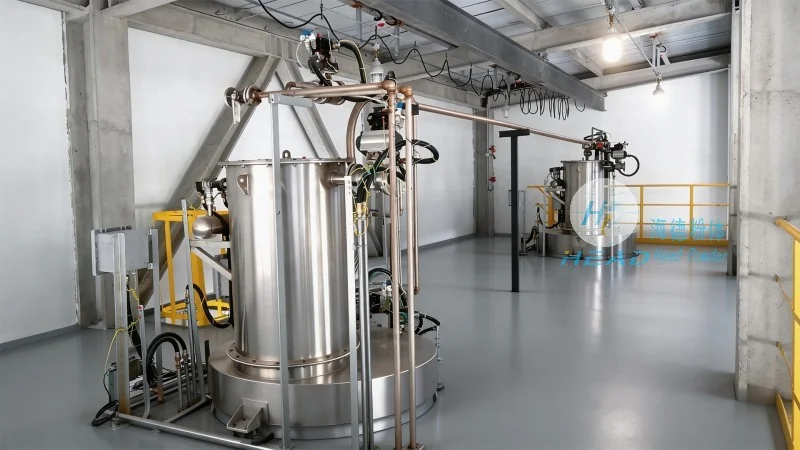
To maintain the performance and longevity of a pneumatic conveying system for flower seeds, regular maintenance is essential. HeadPowder recommends routine checks of the blower or compressor to ensure proper air pressure and flow. The conveying line and components should be inspected for any signs of wear or blockage, as debris or seed buildup can affect system efficiency. Additionally, the feeder and hopper should be cleaned regularly to prevent clogging and ensure consistent seed flow. By adhering to a proper maintenance schedule, users can maximize the operational life of the system and minimize downtime, which is critical for maintaining production schedules in seed processing facilities.
Conclusion
In conclusion, a pneumatic conveying system for flower seeds is a vital piece of equipment in modern seed processing operations. Designed with the specific needs of flower seeds in mind, these systems offer efficient, gentle, and hygienic material transport. HeadPowder, with its expertise and commitment to quality, provides reliable solutions that enhance productivity and seed quality. By understanding the design principles and advantages of pneumatic conveying, seed processors can make informed decisions to optimize their operations and meet the demands of the flower seed industry.