

Principle of White Bean Slice Pneumatic Conveying Equipment
HeadPowder, a leading engineering firm based in Shandong, China, specializes in the design and manufacturing of advanced pneumatic conveying systems tailored for various industrial applications. This article delves into the fundamental principles behind the operation of white bean slice pneumatic conveying equipment, highlighting key components, working mechanisms, and practical considerations for efficient material handling.
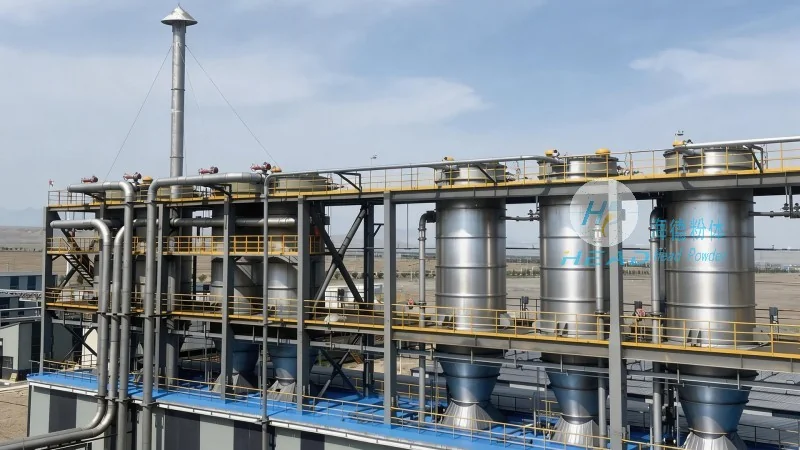
Overview of Pneumatic Conveying Systems
Pneumatic conveying, also known as air conveying, is a method of transporting bulk materials through a pipeline using a stream of air or gas. Unlike mechanical systems that rely on belts, screws, or buckets, pneumatic conveyors utilize air pressure to move materials, offering advantages such as flexibility, low maintenance, and the ability to handle a wide range of products, including delicate or dusty materials like white bean slices. The core principle involves creating a pressure differential within the system to draw or push materials through the pipeline.
Key Components of White Bean Slice Pneumatic Conveying Equipment
The white bean slice pneumatic conveying system typically consists of several critical components that work in tandem to ensure smooth material transport. These include the hopper (or feeder), the air compressor or blower, the conveying pipeline, the control valve, and the discharge point. Each component plays a vital role in the overall operation:
The Hopper and Feeder
The hopper serves as the storage and feeding unit for the white bean slices. It is designed to hold a sufficient quantity of material and feed it into the conveying pipeline at a controlled rate. The feeder, often a rotary valve or a screw feeder, regulates the flow of material from the hopper into the pipeline, preventing overloading and ensuring consistent material delivery. This component is crucial for maintaining a steady flow of white bean slices, which is essential for efficient pneumatic conveying.
The Air Compressor or Blower
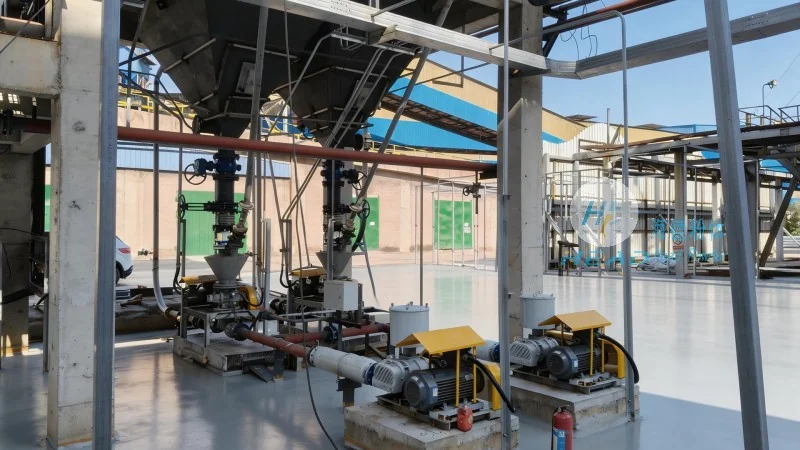
The air compressor or blower is the heart of the pneumatic conveying system, responsible for generating the necessary air pressure to move the white bean slices through the pipeline. There are two main types of air movers: positive displacement blowers and centrifugal fans. Positive displacement blowers, such as rotary lobe or Roots blowers, are commonly used for high-pressure applications and can handle a wide range of particle sizes and densities. Centrifugal fans, on the other hand, are suitable for low-pressure, high-volume applications. The choice of air mover depends on the specific requirements of the white bean slice conveying process, including the material's characteristics, pipeline length, and desired conveying velocity.
The Conveying Pipeline
The conveying pipeline is the main channel through which the white bean slices are transported. It is typically made of stainless steel or other corrosion-resistant materials to withstand the abrasive nature of the material and prevent contamination. The pipeline is designed with smooth, rounded bends and transitions to minimize friction and pressure losses. The diameter of the pipeline is critical, as it directly affects the conveying velocity and the amount of air required. Proper sizing of the pipeline ensures that the white bean slices are conveyed at an optimal velocity, avoiding issues such as material buildup or excessive air consumption.
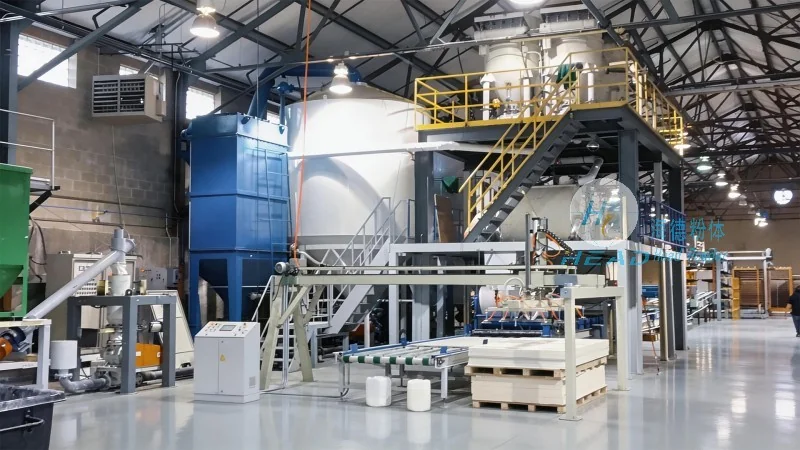
The Control Valve and Discharge Point
The control valve, often a slide valve or a gate valve, is used to regulate the flow of air and material within the system. It allows operators to adjust the pressure and flow rate as needed, ensuring that the white bean slices are conveyed at the desired speed. The discharge point is where the white bean slices are released from the pipeline, typically into a storage bin or processing unit. It is designed to prevent material spillage and ensure a clean, efficient discharge. Proper maintenance of the control valve and discharge point is essential to prevent blockages and ensure the longevity of the equipment.
Working Principle of the Pneumatic Conveying Process
The operation of the white bean slice pneumatic conveying system follows a sequential process. First, the white bean slices are fed from the hopper into the conveying pipeline via the feeder. Simultaneously, the air compressor or blower generates a high-pressure air stream that enters the pipeline. The air stream creates a pressure differential between the hopper and the discharge point, drawing the white bean slices into the pipeline. As the air and material move through the pipeline, the white bean slices are suspended in the air stream and transported to the discharge point. The air then exits the pipeline at the discharge point, carrying any remaining fine particles or dust. The system is designed to maintain a consistent flow of air and material, ensuring that the white bean slices are conveyed efficiently and without damage.
Advantages of White Bean Slice Pneumatic Conveying Equipment
White bean slice pneumatic conveying equipment offers several advantages over traditional mechanical conveying systems. These include:
1. Flexibility and Versatility
The pneumatic conveying system can be easily adapted to different production requirements, such as varying material flow rates or changing pipeline lengths. The system can handle a wide range of white bean slice sizes and shapes, making it suitable for diverse applications in the food processing industry.
2. Low Maintenance and Reduced Downtime
Compared to mechanical systems, pneumatic conveyors have fewer moving parts, which reduces the risk of wear and tear and lowers maintenance costs. This results in lower downtime and higher overall equipment reliability.
3. Hygienic and Sanitary Design
The white bean slice pneumatic conveying equipment is designed with hygienic features, such as smooth surfaces and easy-to-clean components, to meet the stringent requirements of the food industry. The system is constructed from materials that are resistant to corrosion and contamination, ensuring that the white bean slices remain clean and safe for consumption.
4. Energy Efficiency
The pneumatic conveying system is energy-efficient, as it uses air pressure to move the material rather than mechanical power. This results in lower energy consumption and reduced operating costs compared to traditional conveying methods.
5. Reduced Material Damage
The gentle handling of white bean slices by the pneumatic conveying system minimizes the risk of damage, ensuring that the product quality is maintained throughout the conveying process. This is particularly important for delicate products like white bean slices, which can be easily bruised or broken by mechanical systems.
Applications of White Bean Slice Pneumatic Conveying Equipment
The white bean slice pneumatic conveying equipment is widely used in various industries, including food processing, pharmaceuticals, and chemical manufacturing. In the food industry, it is commonly used for the transport of white bean slices from storage bins to processing lines, such as drying, roasting, or packaging. The system is also used in pharmaceutical applications for the transport of powdered or granular materials, where hygiene and product purity are critical. In the chemical industry, it is used for the transport of various bulk materials, including powders and granules, where the system's ability to handle abrasive materials is advantageous.
Conclusion
White bean slice pneumatic conveying equipment is a highly efficient and versatile solution for transporting bulk materials in industrial applications. The system's ability to handle delicate materials like white bean slices, combined with its low maintenance and hygienic design, makes it an ideal choice for the food processing industry. HeadPowder, with its expertise in engineering and manufacturing, provides high-quality pneumatic conveying systems that meet the specific needs of its clients. By understanding the fundamental principles and components of the system, operators can ensure optimal performance and maximize the efficiency of their material handling processes.