

Principle of Silicomanganese Pneumatic Conveying Equipment
HeadPowder, a leading manufacturer based in Shandong, China, specializes in the design and production of advanced pneumatic conveying systems tailored for the silicomanganese industry. The company's expertise lies in creating efficient and reliable equipment that ensures safe and effective material handling in various industrial applications. This article delves into the fundamental principles behind silicomanganese pneumatic conveying equipment, highlighting its operational mechanisms, key components, and practical applications.
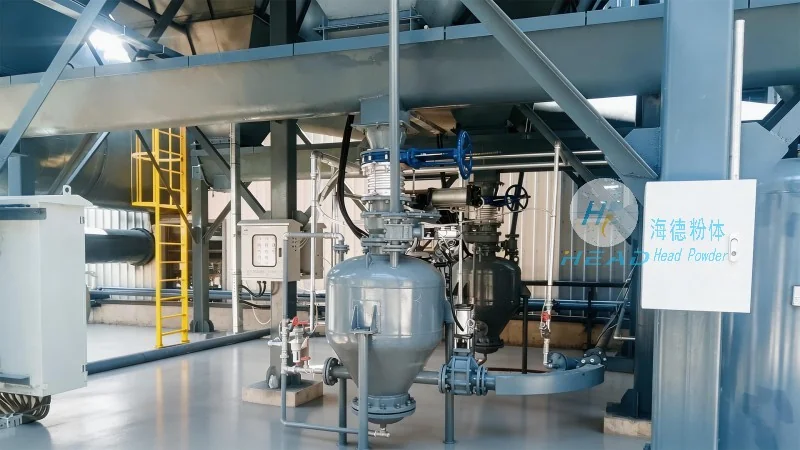
Core Components and Working Principle
The silicomanganese pneumatic conveying system operates on the principle of transporting bulk materials through a pipeline using a stream of air or other gas. The primary components of this system include a hopper for material storage, a feeder to control the flow rate, a conveying pipeline, a venturi or eductor to create the necessary pressure differential, and a receiver for the material's deposition. The process begins when the silicomanganese material is fed from the hopper into the conveying pipeline. The feeder regulates the material flow, ensuring a consistent rate that matches the system's capacity. Simultaneously, a fan or blower generates a high-velocity air stream within the pipeline. As the material enters the pipeline, it is entrained by the air flow, forming a dense mixture known as a "pneumatic stream." The venturi or eductor then enhances the velocity and pressure drop, facilitating the material's movement through the pipeline. Upon reaching the receiver, the material is separated from the air stream, typically through a cyclone separator or a filter, and collected for further processing. The air is then discharged back into the environment or recirculated, depending on the system design. This continuous cycle allows for the efficient and automated transport of silicomanganese from the source to the destination, minimizing manual handling and reducing the risk of material contamination or loss.
Advantages of Pneumatic Conveying for Silicomanganese
Compared to traditional mechanical conveying methods, silicomanganese pneumatic conveying offers several significant advantages. Firstly, it eliminates the need for mechanical components such as belts, buckets, or screws, which are prone to wear and maintenance. This results in lower operational costs and reduced downtime. Secondly, the system provides a hygienic and dust-free environment, which is crucial for handling silicomanganese, a material that can be abrasive and potentially hazardous if not managed properly. The enclosed pipeline design prevents dust emissions, enhancing workplace safety and compliance with environmental regulations. Thirdly, pneumatic conveying allows for flexible and modular system configurations, enabling easy expansion or reconfiguration to accommodate changing production needs. The ability to transport materials over long distances without intermediate storage points also streamlines the production process and improves overall efficiency. Additionally, the system's ability to handle a wide range of material sizes and densities makes it versatile for various industrial applications, from small-scale operations to large-scale production facilities.
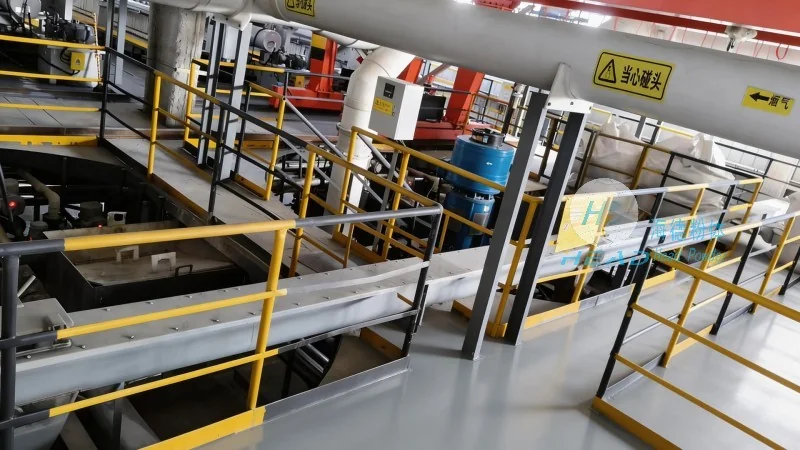
Application Scenarios in the Silicomanganese Industry
Silicomanganese pneumatic conveying equipment is widely used in the production and processing of silicomanganese, a key alloy used in steelmaking and other metallurgical applications. The equipment is commonly employed in the following scenarios: 1. Material transfer from storage silos to processing lines: Silicomanganese is often stored in bulk storage facilities and needs to be transported to the melting or alloying equipment. Pneumatic conveying systems efficiently move the material from the silo to the processing line, ensuring a steady supply without interruptions. 2. Transport between different production stages: Within the silicomanganese production plant, the material may need to be transferred from the reduction furnace to the casting or packaging area. Pneumatic conveying provides a seamless transition between these stages, maintaining the material's quality and preventing contamination. 3. Waste material handling: During the production process, some waste materials or byproducts may need to be removed from the system. Pneumatic conveying can be used to transport these materials to designated disposal or recycling areas, ensuring proper management of industrial waste. 4. Bulk material handling in storage and distribution: For companies involved in the storage and distribution of silicomanganese, pneumatic conveying systems are used to move the material between storage tanks, trucks, or other transport vehicles. This facilitates efficient inventory management and reduces the risk of material spillage or damage during handling.
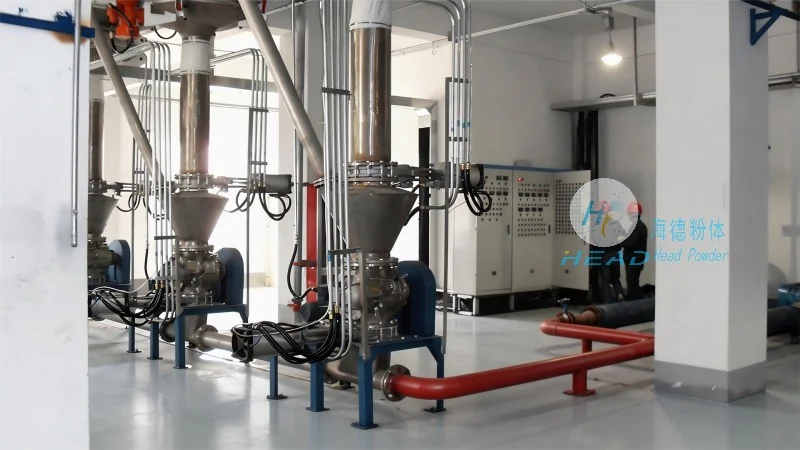
Technical Considerations and System Design
The successful implementation of a silicomanganese pneumatic conveying system requires careful consideration of several technical factors. The first consideration is the material's physical properties, such as its density, particle size distribution, and flowability. These properties determine the appropriate conveying velocity and pressure required to ensure reliable transport. For silicomanganese, which typically consists of coarse particles with varying sizes, a high-velocity air stream is necessary to prevent blockages and ensure consistent flow. The system design must also account for the material's abrasiveness, as it can cause wear on the pipeline and components over time. Therefore, the selection of materials for the pipeline, such as stainless steel or high-grade plastic, is critical to ensure durability and longevity. Another important factor is the system's capacity and scale, which depends on the production volume and the distance the material needs to be transported. HeadPowder offers customized solutions to meet these specific requirements, ensuring that the system is optimized for the client's operational needs. The design also includes features such as pressure relief valves, filters, and cyclone separators to maintain system efficiency and prevent damage from overpressure or clogging. Regular maintenance and monitoring of the system are essential to ensure its continued performance and reliability. HeadPowder provides comprehensive support, including installation, training, and after-sales service, to help clients maximize the benefits of their pneumatic conveying equipment.
Conclusion
In conclusion, silicomanganese pneumatic conveying equipment is a highly effective and efficient solution for handling bulk materials in the silicomanganese industry. The system's ability to transport materials safely, hygienically, and with minimal manual intervention makes it a preferred choice for modern industrial operations. HeadPowder, with its expertise and commitment to quality, provides reliable and customized solutions that meet the specific needs of clients in Shandong and beyond. By understanding the core principles and technical considerations of pneumatic conveying, industries can optimize their material handling processes, reduce costs, and improve overall productivity. The continued development and application of such advanced equipment will play a crucial role in the future of the silicomanganese industry, ensuring sustainable and efficient production practices.