

Principle of Potassium Chloride Pneumatic Conveying Equipment
As a specialized manufacturer in the field of material handling, Shandong HeadPowder Engineering Co., Ltd. focuses on providing efficient and reliable solutions for the transportation of bulk materials, including potassium chloride. The pneumatic conveying system is a critical component in modern industrial processes, enabling the safe and effective movement of granular or powdery substances like potassium chloride from one location to another. This article delves into the fundamental principles behind the operation of such equipment, highlighting its design, functionality, and practical applications.
Core Components of Pneumatic Conveying Systems
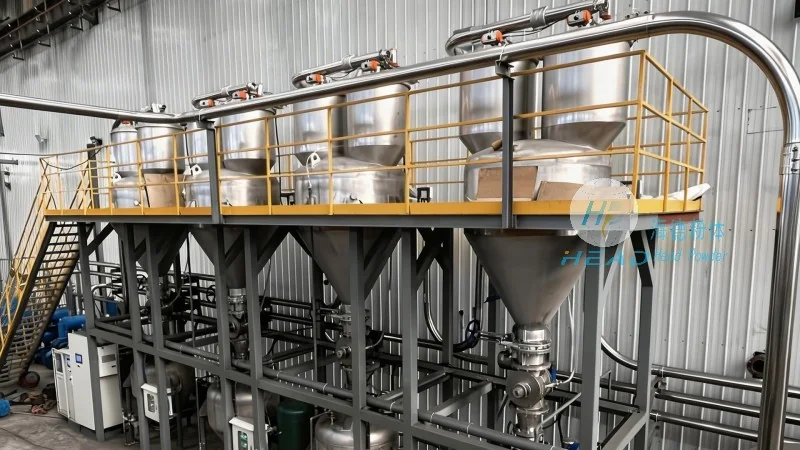
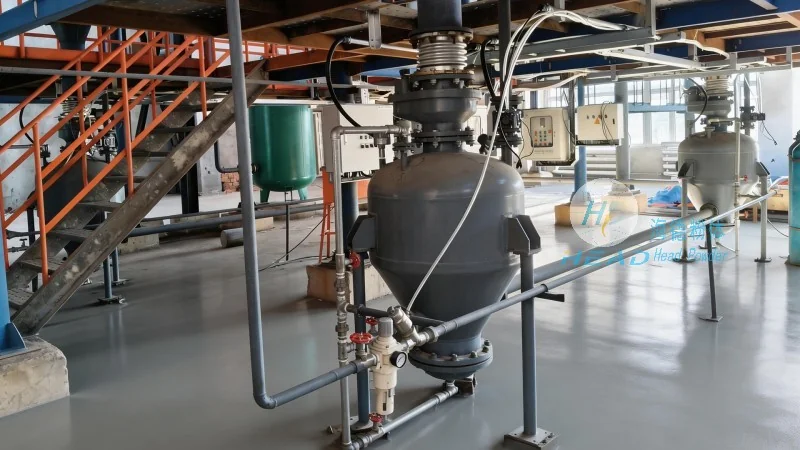
The pneumatic conveying equipment for potassium chloride typically consists of several key components that work in concert to achieve the desired material transport. These components include the hopper or feed hopper, which serves as the initial storage and feeding unit for the bulk material. The hopper is designed to maintain a consistent flow of potassium chloride, preventing blockages and ensuring a steady supply to the conveying line. Next, the conveyor itself, which can be either a positive pressure or negative pressure system, is responsible for moving the material through the pipeline. Positive pressure systems use a blower or compressor to force air and material through the line, while negative pressure systems create a vacuum to draw the material. The pipeline network connects the various components, including the feed point, the conveying line, and the discharge point. Additionally, a filter or separator may be included to remove any fine particles or moisture from the air, ensuring the purity of the conveyed material. The control system, which may include sensors and valves, monitors the flow rate and pressure, allowing for adjustments to maintain optimal performance.
Operating Principle of Pneumatic Conveying
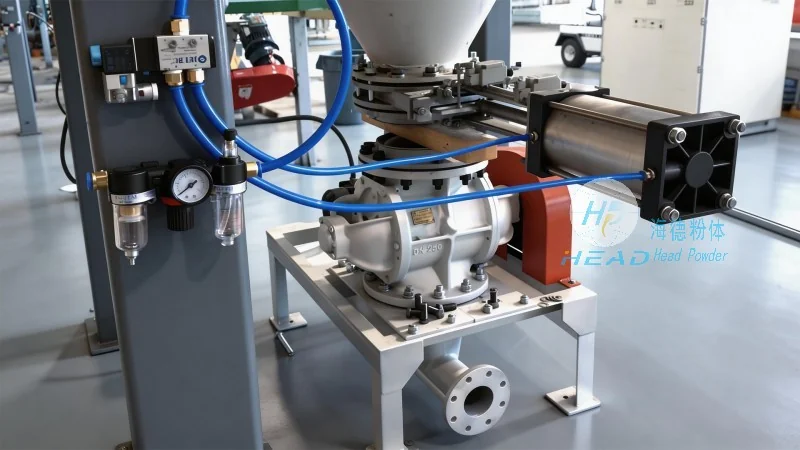
The fundamental principle of pneumatic conveying for potassium chloride is based on the use of air as the conveying medium. The process begins when the bulk material is introduced into the hopper. A feeder, such as a rotary valve or screw feeder, then releases the material into the pipeline. Simultaneously, the air is introduced into the system, either by a blower or compressor in positive pressure systems, or by a vacuum pump in negative pressure systems. The air and material are mixed in the pipeline, creating a slurry-like mixture that is propelled forward by the air flow. The velocity of the air is crucial; it must be sufficient to keep the material suspended and prevent it from settling or clogging the pipeline. The design of the pipeline, including its diameter and length, is carefully calculated to maintain the required air velocity and pressure drop. As the mixture travels through the pipeline, it reaches the discharge point, where the material is separated from the air. The air is then filtered and recycled back into the system, while the potassium chloride is collected in the receiving hopper or storage bin.
Advantages of Pneumatic Conveying for Potassium Chloride
Compared to traditional mechanical conveying methods, such as belt conveyors or bucket elevators, pneumatic conveying offers several advantages when handling potassium chloride. First, it provides a dust-free and enclosed system, which is essential for maintaining the purity of the material and ensuring a safe working environment. This is particularly important for potassium chloride, which can be a respiratory irritant if it becomes airborne. Second, the system is highly flexible, allowing for changes in the layout of the conveying line without major structural modifications. This adaptability is beneficial in industrial settings where space is limited or where the production process may need to be reconfigured. Third, pneumatic conveying can handle a wide range of material properties, including varying particle sizes and moisture content, making it suitable for different grades of potassium chloride. Additionally, the system is relatively low maintenance, as there are fewer moving parts compared to mechanical conveyors, reducing the risk of breakdowns and downtime. Finally, the enclosed nature of the system helps to prevent contamination from external sources, ensuring the quality of the final product.
Applications in Industrial Settings
Potassium chloride pneumatic conveying equipment is widely used in various industrial applications, particularly in the chemical and fertilizer industries. In the chemical sector, it is used to transport raw materials and intermediate products during the production of potassium chloride-based compounds. For example, in the manufacturing of potassium chloride solutions or fertilizers, the material is conveyed from storage silos to processing units or reactors. In the fertilizer industry, the equipment is used to move potassium chloride from storage facilities to blending and packaging lines. The system is also utilized in food processing facilities where potassium chloride is used as a food additive, ensuring that the material is handled hygienically and without contamination. Additionally, in mining operations, the equipment may be used to transport potassium chloride from underground mines to processing plants. The versatility of the pneumatic conveying system makes it suitable for a wide range of applications, from small-scale operations to large industrial plants.
Design Considerations and Customization
When designing a pneumatic conveying system for potassium chloride, several factors must be considered to ensure optimal performance and efficiency. The first consideration is the material's properties, such as its particle size distribution, density, and moisture content. These factors affect the air velocity required to keep the material suspended and the pressure drop along the pipeline. The system designer must calculate the appropriate air flow rate and pressure to achieve the desired conveying capacity. The second consideration is the system layout, including the length and number of bends in the pipeline. The number of bends and their radius can significantly impact the pressure drop and the risk of material clogging. The designer must ensure that the pipeline is designed to minimize these issues, possibly by using larger diameter pipes or incorporating straight sections to reduce turbulence. The third consideration is the environmental conditions, such as temperature and humidity, which can affect the material's behavior and the performance of the system components. For example, in cold climates, the system may need to be insulated to prevent moisture from condensing and causing blockages. The fourth consideration is the safety requirements, including the need for dust suppression and explosion-proof components, especially when handling potassium chloride in large quantities. Shandong HeadPowder Engineering Co., Ltd. offers customized solutions tailored to the specific needs of each client, ensuring that the system is optimized for the particular application and material being handled.
Maintenance and Troubleshooting
Proper maintenance is essential to ensure the long-term reliability and efficiency of the potassium chloride pneumatic conveying system. Regular maintenance tasks include inspecting and cleaning the hopper and feeder to prevent material buildup and blockages. The pipeline and filter system should be checked for any signs of wear or damage, and the air filter should be replaced as needed to maintain air quality. The control system and sensors should be calibrated regularly to ensure accurate monitoring of the flow rate and pressure. In addition to routine maintenance, it is important to have a troubleshooting guide to address common issues that may arise. For example, if the conveying capacity decreases, it may indicate a blockage in the pipeline or a decrease in air pressure. The system operator should check the hopper feed and the air supply to identify the cause and take corrective action. If the material is not being discharged properly, it may be due to a clogged filter or a malfunctioning valve. By following a regular maintenance schedule and having a clear understanding of the system's operation, the risk of downtime and material loss can be minimized. Shandong HeadPowder Engineering Co., Ltd. provides comprehensive maintenance services and technical support to its clients, ensuring that the equipment operates at peak performance.